

Are Older Luxury Cars
a Smart Used Buy?
The allure of driving a premium vehicle is undeniable. The high-end materials, advanced engineering, and prestigious badge can make an older luxury car seem like an incredible bargain compared to a new economy car. Since the steepest depreciation happens in the first few years, you can often acquire a vehicle that originally cost a small fortune for a fraction of the price. This brings a level of comfort, performance, and safety features that might otherwise be out of reach. However, the initial purchase price is only one part of the equation. The key question for savvy buyers is whether the long-term cost of ownership outweighs the initial savings. Making a smart decision requires a careful look at the potential for higher maintenance costs, the importance of a vehicle's history, and knowing exactly what to look for before you buy. This guide will help you navigate the exciting but complex world of pre-owned luxury vehicles.
Navigating the world of used luxury cars does not have to be an intimidating process. When you partner with a dealership that carefully inspects its vehicles, you can significantly reduce the risks. Our focus is on providing quality vehicles and transparent information so you can feel confident in your choice. By understanding the complete picture of ownership and exploring flexible our financing area, the dream of owning a premium car can become an affordable reality. We invite you to explore our diverse used inventory and see how attainable luxury can be.
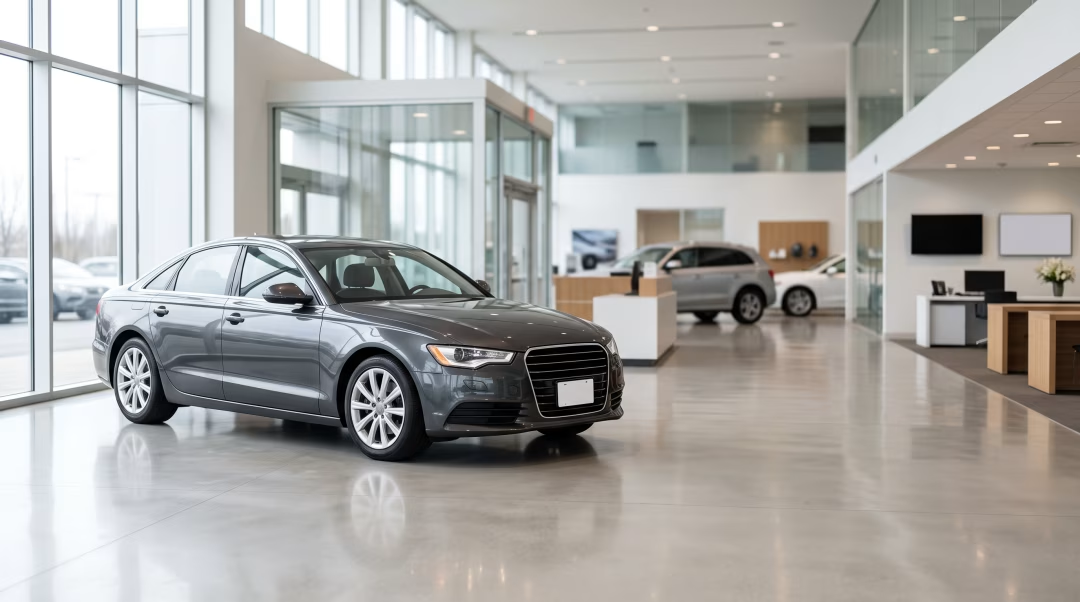
The Comprehensive Guide to Buying a Pre-Owned Luxury Vehicle
The idea of owning a Mercedes-Benz, BMW, Lexus, or Audi for the price of a brand-new compact sedan is incredibly tempting. You get the benefit of world-class engineering, superior ride comfort, and a cabin filled with features that were once exclusive to the highest end of the market. But as any experienced owner will tell you, the purchase price is just the entry ticket. The real cost of ownership reveals itself over time. The question, "Are older luxury cars a smart used buy?" does not have a simple yes or no answer. It depends entirely on your preparation, your budget, and your choice of vehicle. A well-researched purchase can be one of the most satisfying automotive experiences you will ever have, while an impulsive one can lead to financial strain. This guide will break down the essential pros and cons to help you make a truly smart decision.
The Pros: Why an Older Luxury Car Can Be a Great Value
The biggest advantage is undeniably the value proposition. Luxury cars experience the most dramatic depreciation, which is bad for the original owner but fantastic for the second or third. This financial reality opens the door to a host of benefits.
- Tremendous Upfront Savings: A vehicle that retailed for over $70,000 five to seven years ago can often be found for under $25,000. This means the first owner absorbed tens of thousands of dollars in depreciation, allowing you to buy into a much higher class of vehicle for your budget.
- Access to Premium Features: Features like heated and cooled leather seats, premium multi-speaker sound systems, advanced safety technology, and adaptive suspensions become available at a mainstream price point. The overall fit, finish, and quality of materials are typically a significant step up from a new, non-luxury vehicle in the same price range.
- Superior Driving Dynamics: Luxury cars are engineered for a better driving experience. This translates to a quieter, more comfortable ride, more powerful engines, and more sophisticated handling. The difference in on-road composure, especially on long highway commutes, is often night and day compared to a standard car.
The Cons: Potential Risks and Costs to Consider
While the low entry price is attractive, the potential for high running costs is the most significant drawback. These vehicles were expensive to build, and their parts and service reflect that original price tag, not what you paid for the car.
- Higher Maintenance and Repair Bills: This is the most critical factor. A simple oil change may cost more due to the need for specific synthetic oils. Brakes, tires, and other routine wear items are often larger and more expensive. A failed air suspension component or a complex electronic module can result in a repair bill that is a significant percentage of the car's value. Planning for these expenses is essential; learn more about how to plan for unexpected car repair costs.
- Increased Complexity and Reliability: More features and complex systems mean there are more things that can potentially break. Researching specific model years is crucial, as some have well-documented issues. A thorough vehicle history report is your first line of defense in identifying a car that has been neglected.
- Outdated Technology: While the mechanicals may be timeless, the technology can feel dated. Infotainment screens may be smaller and less responsive, and you may miss out on modern conveniences like Apple CarPlay or Android Auto. While you can learn how to add Apple CarPlay or Android Auto to an older car, it is an additional cost to consider.
- Lower Fuel Economy: Many older luxury cars were built with powerful V6 and V8 engines during a time when fuel economy was a lower priority. This means your annual fuel costs could be substantially higher than with a modern, more efficient vehicle. It is always wise to estimate fuel costs before choosing a used car.
How to Make a Smart Purchase
Turning a used luxury car purchase into a smart one comes down to diligence and preparation. Follow these steps to protect yourself and ensure you get a great vehicle.
First, research is your best friend. Dive into owner forums and reliability ratings for the specific make, model, and year you are considering. You will quickly learn about common failure points, typical repair costs, and which powertrains are considered the most robust. Some models are known for their longevity, while others have reputations for being "money pits."
Second, prioritize a vehicle with a complete and documented service history. A car with 100,000 miles that has been meticulously maintained is often a much better buy than a car with 60,000 miles and a spotty or unknown history. Regular maintenance is the key to longevity for these complex machines.
Third, always get an independent inspection. While we thoroughly inspect our vehicles, a pre-purchase inspection by a mechanic specializing in the brand you are buying provides an extra layer of peace of mind. They know what to look for and can spot potential issues that a general inspection might miss.
Finally, create a realistic budget that includes a maintenance fund. A good rule of thumb is to set aside at least $1,000 to $2,000 per year for non-routine maintenance and repairs. If you have this money saved, a surprise repair becomes an inconvenience, not a financial crisis. For more tips, read our guide on how much to budget for car maintenance each month.
By approaching the purchase with your eyes wide open and a solid plan, you can absolutely make an older luxury car a smart buy. You will get to enjoy a driving experience that far exceeds the car's price tag, all while having the confidence that you are prepared for the journey of ownership.
Frequently Asked Questions About Used Luxury Cars
What is the "sweet spot" age for a used luxury car?
Many experts agree that the sweet spot for buying a used luxury car is between five and eight years of age. In this range, the vehicle has already undergone its most significant depreciation, making it much more affordable. At the same time, it is often new enough to have relatively modern safety features and amenities without being so old that parts become scarce or reliability is a major unknown.
Are European luxury cars more expensive to maintain than Japanese or American ones?
Generally speaking, European brands like BMW, Mercedes-Benz, and Audi tend to have higher maintenance and repair costs than Japanese luxury brands like Lexus and Acura. This is often due to more complex engineering, higher parts costs, and the need for specialized tools and labor. While American luxury brands like Cadillac can vary, they often fall somewhere in the middle. However, costs can vary widely by specific model, so individual research is key.
Should I buy a used luxury car with high mileage?
High mileage should not automatically disqualify a used luxury car, but it makes the service history absolutely critical. A vehicle with over 100,000 miles that has a complete, documented record of on-time maintenance from a reputable shop can be a more reliable and smarter purchase than a lower-mileage car that has been neglected. Look for evidence that major service intervals have been completed.
Does an extended warranty or service contract make sense for an older luxury car?
For many buyers, a service contract can be a very wise investment. Given the potential for high repair costs on complex systems, it can provide significant peace of mind and help create a more predictable ownership budget. It is very important to read the details of any plan to understand exactly what components are covered, what the deductible is, and what your responsibilities are. You can learn more by asking is an extended warranty worth it on a used car.
How do I find a reliable mechanic for a specific luxury brand?
Finding a trustworthy independent mechanic who specializes in your chosen brand is one of the best ways to save money on maintenance and repairs over dealership service departments. A great place to start is by searching online forums and owner groups for that specific brand in your area. These communities are often happy to share recommendations for shops that are known for doing honest, high-quality work at a fair price.
