

Compact SUV vs Midsize SUV:
What is the Real Difference?
Choosing your next vehicle can be a challenge, especially within the popular SUV segment. The debate between a compact SUV versus a midsize SUV is one of the most common decisions drivers face. At first glance, the primary distinction seems to be size, but the real difference extends much further, influencing everything from your daily commute and fuel budget to your weekend adventures. A compact SUV offers impressive maneuverability and efficiency, making it a star in city traffic and tight parking spots. A midsize SUV, on the other hand, provides more substantial passenger room and cargo capacity, catering to growing families and those who need extra space. Understanding these core differences in performance, interior volume, and overall cost of ownership is the key to selecting the used SUV that perfectly aligns with your lifestyle and driving needs. This guide will break down every aspect to help you make an informed choice.
Navigating the nuances between these two popular SUV classes is simpler than you think. The right choice ultimately depends on your personal priorities. Do you value nimble handling and lower fuel costs for daily driving, or is your focus on having maximum space for passengers, pets, and gear? By carefully considering how you will use your vehicle every day, you can confidently determine whether a versatile compact or a spacious midsize SUV is the ideal partner for your journey ahead.
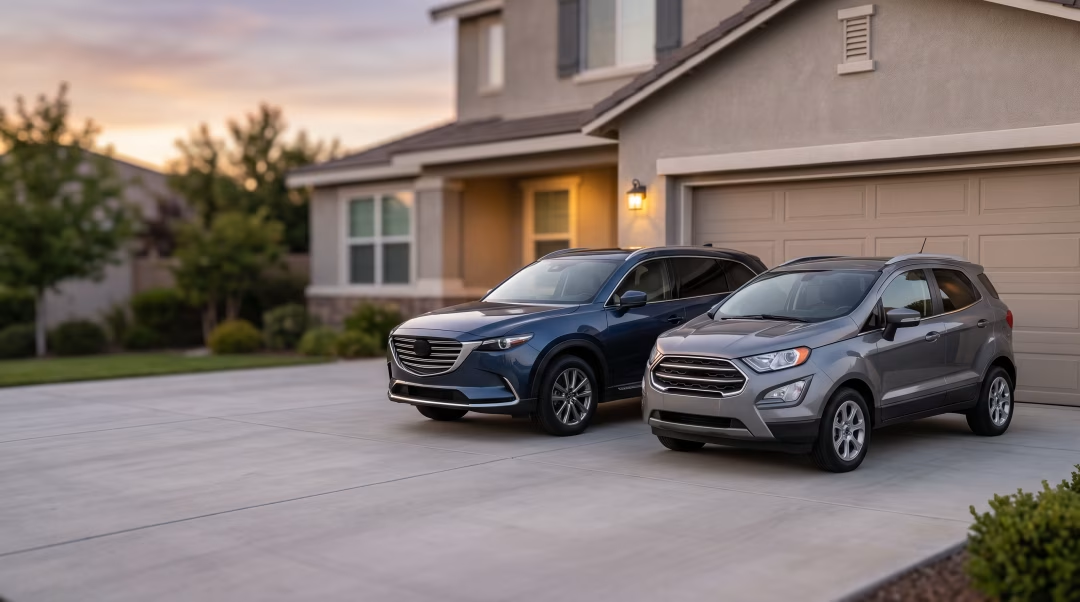
A Deeper Dive into the SUV Debate
The sport utility vehicle has become a dominant force on the road, offering a blend of practicality, comfort, and capability that sedans and trucks often cannot match. Within this vast category, the compact and midsize segments are the most competitive. To find the right fit in our used inventory, it is essential to look beyond the labels and explore the tangible differences that will impact your driving experience day in and day out.
The Case for the Compact SUV
Compact SUVs, sometimes called crossovers, are typically built on car platforms. This construction gives them a more comfortable, car-like ride and better handling than their larger, truck-based counterparts. They represent a sweet spot for many drivers, providing more space and a higher driving position than a sedan without the larger footprint of a midsize model.
- Maneuverability: Their smaller size makes them champions of urban environments. Navigating crowded city streets, squeezing into tight parking spots, and making U-turns is significantly easier in a compact SUV. This is a major advantage for commuters who frequent areas like Downtown Dallas or Deep Ellum.
- Fuel Efficiency: With smaller engines and less weight to carry, compact SUVs generally offer better fuel economy. This translates to real savings at the pump, a crucial factor when you are trying to create a predictable monthly car budget and estimate your fuel costs.
- Lower Cost of Entry: On the used market, compact SUVs often have a lower purchase price than comparable midsize models of the same year and condition. This can make them a more accessible option, potentially allowing for a larger down payment or a more comfortable monthly payment.
However, the "compact" name comes with compromises. The most obvious is interior space. While perfectly adequate for singles, couples, or small families, rear-seat legroom can be tight for taller adults, and cargo space is limited. If you frequently haul bulky items or have multiple kids in car seats, you might find a compact SUV restrictive. Many buyers considering this class find it helpful to schedule a test drive to experience the interior dimensions firsthand.
The Advantages of the Midsize SUV
Stepping up to a midsize SUV opens up a new level of space and capability. These vehicles are designed with families and utility in mind, offering more robust features and a more commanding presence on the road. While some are built on car platforms, many share underpinnings with trucks, providing a sturdier, more rugged feel.
- Superior Space: This is the primary reason buyers choose a midsize SUV. They offer significantly more rear-seat legroom and headroom, making long trips more comfortable for all passengers. More importantly, the cargo area is substantially larger, easily accommodating luggage, sports equipment, or large shopping trips.
- Third-Row Seating: Many midsize SUVs offer an optional third row of seats, expanding passenger capacity from five to seven or even eight. For families who carpool or need flexibility for extra passengers, this is a game-changing feature that you will not find in the compact class. This is often a deciding factor when comparing a minivan or a three-row SUV.
- Towing and Performance: Midsize SUVs typically come with more powerful engine options, such as V6s, which provide better acceleration and higher towing capacities. If you plan to tow a small boat to a North Texas lake or a utility trailer, a midsize SUV is often the more capable choice.
The trade-offs for this extra space and power are predictable. A midsize SUV will be less fuel-efficient than its compact sibling. Its larger size makes it more cumbersome to park and maneuver in tight quarters. The initial purchase price is generally higher, and you might see slightly higher costs for things like tires and insurance. Before committing, it is wise to see what kind of financing you might qualify for by filling out an application to get pre-qualified.
Head-to-Head Comparison: Key Differences
Let us break down the real-world differences across the categories that matter most to buyers.
Size and Passenger Room: A typical compact SUV might offer around 100 cubic feet of passenger volume, while a midsize two-row SUV could have 110-120 cubic feet. While that does not sound like a huge number, it is distributed as extra inches of shoulder, hip, and legroom that make a noticeable difference in comfort, especially on longer drives.
Cargo Capacity: This is where the difference is most dramatic. A compact SUV might provide 25-35 cubic feet of space behind the second row. A midsize SUV can offer 35-45 cubic feet or more in the same configuration. Fold the seats down, and the gap widens even further, with midsize models often providing 10-20 cubic feet more total volume than compacts.
Fuel Economy: You can generally expect a compact SUV to achieve 3-5 more miles per gallon (MPG) in combined city and highway driving than a comparable midsize model. Over the course of a year, especially for someone with a long commute, these savings can add up to several hundred dollars.
Cost of Ownership: Beyond fuel, consider other costs. The initial purchase price is the biggest factor, but insurance rates are often slightly higher for larger, more expensive vehicles. Replacement tires for the larger wheels commonly found on midsize SUVs will also cost more. Before you finalize your decision, you may want to value your trade to see how your current vehicle can offset the purchase price.
Which SUV Is Right For You?
The best choice is not about which SUV is objectively "better," but which one is better for *you*. A compact SUV is likely your best bet if you are a single person, a couple, or have one small child; you primarily drive in the city or have a long daily commute; you prioritize fuel economy and a lower purchase price; and you do not need to haul large items or tow a trailer.
A midsize SUV is the superior choice if you have a family of four or more, or frequently need a third row; you regularly transport bulky items for work or hobbies; you need the capability to tow a trailer or boat; or you prioritize a spacious, comfortable interior for road trips over maximum fuel efficiency.
Frequently Asked Questions
How much more cargo space does a midsize SUV really have?
A midsize SUV typically offers about 10-15 cubic feet more cargo space behind the rear seats than a compact SUV. When the seats are folded down, this advantage can grow to 20 cubic feet or more, which is a significant difference when trying to fit luggage, sports gear, or large boxes.
Is a midsize SUV always a three row SUV?
No, not always. The midsize category includes both two-row and three-row models. While many popular midsize SUVs offer a third row as a standard or optional feature, there are also plenty of models designed to maximize comfort and cargo space for five passengers.
What is the fuel economy difference between compact and midsize SUVs?
On average, you can expect a compact SUV to get about 3 to 5 more miles per gallon (MPG) in combined driving than a V6-powered midsize SUV. However, some newer midsize models with four-cylinder turbo engines have narrowed this gap considerably.
Are midsize SUVs safer than compact SUVs?
Modern vehicles in both classes are equipped with advanced safety features. While larger, heavier vehicles can have an advantage in certain types of collisions, it is more important to check the specific safety ratings from organizations like the IIHS and NHTSA for the exact models you are considering.
Is it more expensive to maintain a midsize SUV?
Routine maintenance costs like oil changes are generally similar. However, long-term costs can be slightly higher for a midsize SUV. They often have larger, more expensive tires and may have more complex engines or drivetrain systems that can cost more to repair down the line.
