

Does a Clean Car
Get a Better Trade-in Offer?
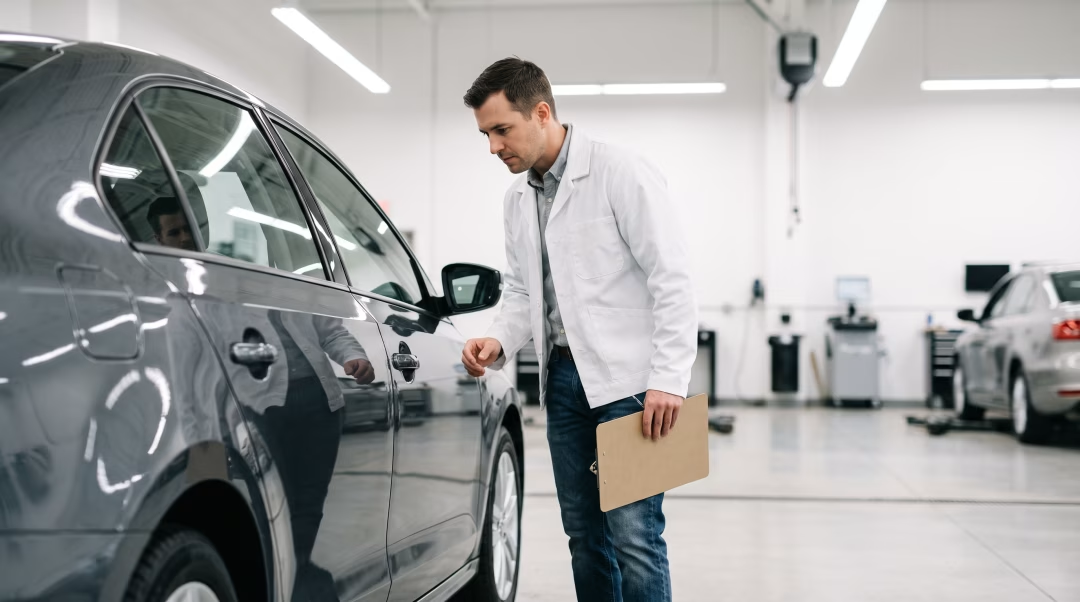
When preparing to trade in your vehicle, you might wonder if the effort of a thorough cleaning is worth it. The answer is a definitive yes. A clean, well-presented car sends a powerful, unspoken message to an appraiser: this vehicle has been cared for. First impressions are critical in the valuation process. While an appraiser primarily relies on mileage, condition reports, and current market data, the initial visual inspection sets the tone for the entire appraisal. A car filled with clutter, dirt, and stains can suggest a history of neglect, potentially leading to a more critical eye on mechanical components and a lower initial offer. Taking the time to detail your car is a low-cost investment that demonstrates pride of ownership and can positively influence the appraiser's perception of its overall condition, helping you get a stronger trade-in value.
Now that you understand why presentation matters, it is time for the practical steps. A few hours of focused effort can translate directly into a better offer for your trade-in. This preparation not only enhances your car's appearance but also streamlines the appraisal process for our team. When you present a clean and organized vehicle, it allows our appraisers to conduct a thorough and efficient evaluation. This ensures we can see the true condition of your car and provide you with a fair and competitive value based on all the positive aspects of your vehicle.
Maximizing Your Trade-In Value: A Comprehensive Guide
The process of trading in a vehicle can feel complex, but one of the simplest ways to influence the outcome is often overlooked: a deep clean. While a dealership appraiser is trained to look past surface dirt to the vehicle's true condition, human perception plays a significant role. A sparkling clean car creates a "halo effect," suggesting that if the owner meticulously maintained its appearance, they likely did the same for its mechanical components. This guide will walk you through the steps to present your car in the best possible light and explain why it makes a tangible difference in your final trade-in offer.
The Psychology Behind a Clean Trade-In
Think of it from the appraiser's point of view. They evaluate dozens of cars every week. When a vehicle arrives that is spotless inside and out, it stands out immediately. It makes their job easier—they do not have to look past coffee stains, pet hair, and road grime to assess the condition of the upholstery, dashboard, and paint. This positive first impression can subconsciously lead to a more favorable appraisal. Conversely, a dirty or cluttered car can raise red flags, suggesting potential hidden issues or a general lack of care, which might lead the appraiser to be more cautious and conservative with their offer.
Your Exterior Detailing Checklist
The exterior is the first thing an appraiser sees. A shiny, well-maintained exterior suggests the car has been protected from the elements. Follow these steps to make your car shine.
- Thorough Wash and Wax: Go beyond a quick drive-through wash. Hand wash your vehicle to remove all dirt and grime. Applying a coat of wax not only adds a brilliant shine but can also hide minor scratches and swirl marks, making the paint look deeper and richer.
- Wheels and Tires: Dirty wheels and faded tires can make an otherwise clean car look dull. Use a dedicated wheel cleaner to remove brake dust and apply a tire dressing to give the rubber a clean, dark finish.
- Glass and Trim: Clean all windows, mirrors, and lights until they are streak-free. Use a plastic trim restorer on any faded black or gray plastic parts to bring back their original color.
- Headlight Restoration: Hazy, yellowed headlights are common on older cars and can detract from their appearance. A simple headlight restoration kit can make them look clear and new again in under an hour.
An Impeccable Interior Makes a Difference
You have spent countless hours inside your car, and so will the appraiser during their inspection. A clean, fresh-smelling interior is just as important as a shiny exterior.
- Remove All Personal Items: This is the first and most crucial step. Clear out everything from the glove box, center console, door pockets, and trunk. This not only makes the car look bigger and cleaner but also shows you are serious and prepared for the trade-in.
- Vacuum Thoroughly: Vacuum every surface, including the carpets, floor mats, seats, and trunk. Use a crevice tool to get into tight spaces between seats and along trim pieces.
- Wipe Down All Surfaces: Use an appropriate interior cleaner to wipe down the dashboard, steering wheel, door panels, and center console. Clean any sticky residue from cup holders.
- Address Stains and Odors: If you have noticeable stains on the upholstery or carpets, try to remove them with a dedicated fabric cleaner. To eliminate odors, avoid strong air fresheners that just mask smells. Instead, use an odor-neutralizing spray or leave an open box of baking soda in the car overnight.
Repairs: Knowing Where to Draw the Line
While cleaning is a high-return activity, not all pre-trade-in repairs are. It is important to know what is worth fixing and what you should leave to the dealership. Generally, you will not recoup the full cost of major repairs in your trade-in value. For more detailed information, you can read our article that asks, should you fix your car before trading it in?
Small, inexpensive cosmetic fixes like using a touch-up paint pen on a small chip can be worthwhile. However, for significant issues like a large dent, a check engine light, or needing new tires, it is often better to let the dealer handle it. We have the resources to perform these repairs at a lower cost than a retail customer, and this is factored into our appraisal. Being transparent about any known mechanical issues builds trust and can lead to a smoother process. Understanding how is trade in value calculated at used car dealer can help you set realistic expectations.
Get Started Today
Putting in the effort to clean your vehicle is a strategic move that can pay dividends. It frames your car in the best possible light and demonstrates a history of responsible ownership. When you are ready to see what your clean car is worth, you can use our online tool to value my trade. Then, bring it to us for a final appraisal and explore our extensive used inventory to find your next vehicle. If you have any questions about the process, please do not hesitate to contact us.
How much more can I get for a clean car?
While there is no fixed dollar amount, a clean car can improve an offer. It avoids potential deductions for reconditioning costs and creates a better overall impression, which can positively influence the appraiser's final valuation.
Should I fix the check engine light before trading it in?
It depends on the cause. If it is a simple fix like a loose gas cap, yes. For more complex issues, it is often better to disclose the problem to the appraiser. We can usually diagnose and repair issues for less than a retail customer, and this is factored into our evaluation. You can learn more here: can you trade in car with check engine light on.
Does having service records in the car help?
Absolutely. Organized maintenance and service records are one of the best ways to prove your vehicle has been well-cared for. It gives the appraiser confidence in the vehicle's mechanical history and can have a positive impact on its value.
Is it worth paying for a professional detail service?
For many people, the investment is worthwhile. A professional detailer can often achieve results beyond what a typical owner can, especially with tough upholstery stains, pet hair removal, or minor paint correction. If your car needs significant cleaning, the cost could pay for itself with a better trade-in offer.
What if my car has dents or scratches?
Minor surface scratches can often be buffed out or minimized with a good wax. For larger dents and deep scratches, it is usually not cost-effective to repair them before a trade-in. Be honest about the damage during the appraisal; attempting to hide it can create distrust and complicate the process.
