

Gas vs. Diesel Used Trucks:
Which Costs Less to Own?
Choosing between a used gas or diesel truck is one of the biggest decisions a buyer can make. While diesel trucks are famous for their immense torque and impressive highway fuel economy, they often come with a higher initial price tag. On the other hand, gasoline-powered trucks are typically more affordable upfront and have readily available, less expensive fuel. The question of which costs less to own is not a simple one. The right answer depends entirely on your driving habits, how much you plan to tow or haul, and how long you intend to keep the vehicle. This guide will break down the total cost of ownership for both options, looking beyond the sticker price to help you find the most economical and practical choice for your specific needs, whether you are commuting through Dallas or working a job site in Mesquite.
Understanding the long-term financial commitment of a used truck is key to making a confident purchase. The total cost of ownership involves much more than just the initial price and weekly fuel stops. It encompasses everything from routine maintenance like oil changes and filter replacements to the potential for major repairs down the road. Furthermore, factors like longevity and resale value can significantly impact your overall investment. Below, we provide a detailed analysis of these costs to give you a clear picture of what to expect.
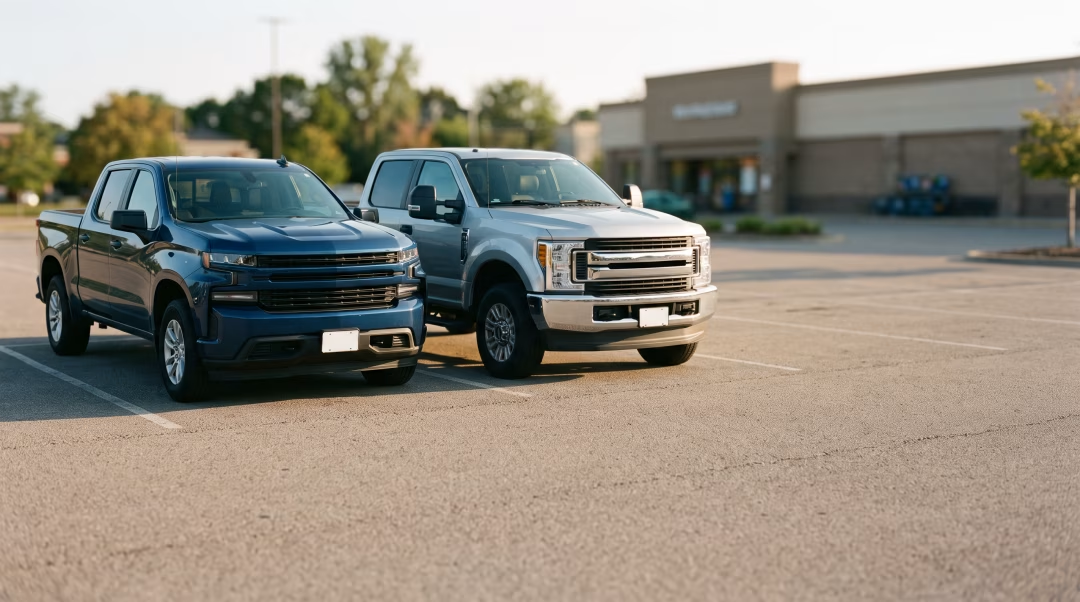
A Detailed Breakdown of Gas vs. Diesel Ownership Costs
When you are browsing our used inventory, the price on the window sticker is just the beginning of the story. The true cost of owning a truck unfolds over years of driving, fueling, and maintenance. Both gasoline and diesel engines have unique financial profiles. A gas engine might save you money on day one, but could a diesel save you more over 50,000 miles? Let's explore the key areas that influence your total expense.
The Initial Purchase Price
The first and most obvious difference is the upfront cost. Generally, a used diesel truck will have a higher purchase price than a comparable gasoline model of the same year, make, and trim level. Diesel engines are more complex and built with heavier-duty components, which increases their manufacturing cost. This premium is passed down to the new and, subsequently, the used market. For budget-conscious buyers, especially those looking at options through our financing area, the lower initial cost of a gas truck can be very appealing, freeing up more of your budget for other expenses or allowing you to afford a newer model or higher trim level.
Comparing Fuel Costs and Efficiency
The fuel debate has two main components: the price per gallon and the miles per gallon (MPG). Historically, diesel fuel costs more per gallon than regular unleaded gasoline. However, diesel engines are more efficient, especially during highway driving and when towing. A diesel truck can often achieve 20-35% better fuel economy than its gasoline counterpart. If you have a long commute on highways like I-635 or the Dallas North Tollway, the superior MPG of a diesel could eventually offset the higher price per gallon, leading to long-term savings at the pump. Conversely, if your driving consists mainly of short, stop-and-go city trips, the fuel economy advantage of a diesel is less pronounced, and the lower cost of gasoline may be more beneficial.
Maintenance and Repair Expenses
Maintenance is where the cost comparison gets more complex. While modern diesel engines are incredibly durable, their routine service and potential repairs can be significantly more expensive. Consider these points:
- Oil Changes: Diesel engines hold much more oil than gas engines, sometimes up to 12-15 quarts compared to 5-7 quarts. This means a single oil change on a diesel truck will cost more in parts and labor.
- Filters: Diesels have robust fuel filters that need regular replacement and cost more than those in a typical gas engine.
- Emissions Systems: Modern diesel trucks (typically 2008 and newer) have complex emissions systems, including Diesel Particulate Filters (DPF) and Selective Catalytic Reduction (SCR) systems that use Diesel Exhaust Fluid (DEF). These components can be very expensive to repair or replace if they fail.
- Major Repairs: While built to last, when major components like fuel injectors, turbos, or high-pressure fuel pumps fail on a diesel, the repair bill is often substantially higher than for a similar repair on a gas engine.
Gasoline engines, while generally having lower individual repair costs, may require certain services sooner. For many drivers, the predictability and lower cost of gas engine repairs offer greater peace of mind.
The Value of Towing, Hauling, and Performance
The primary reason many drivers choose a diesel truck is for its unparalleled towing and hauling capability. Diesel engines produce significantly more torque at lower RPMs than gas engines. This translates to effortless power when pulling a heavy trailer, boat, or camper. If you regularly tow heavy loads, a diesel engine is not just a preference; it is the right tool for the job. It performs the work with less strain, which can lead to better engine longevity and a more confident, stable driving experience. While a gas V8 can certainly tow, it will work harder, consume more fuel, and may feel strained under very heavy loads. For those who need maximum capability, the extra cost of a diesel is an investment in performance and safety.
Longevity and Resale Value
This is an area where diesel trucks traditionally shine. Because they are built with heavier, more robust components and operate at lower RPMs, diesel engines are known for their incredible longevity. It is not uncommon to see diesel trucks running strong with 300,000, 400,000, or even more miles on the odometer. To learn more about what to expect from higher-mileage vehicles, you can read our guide on how many miles is too many for a used truck. This durability contributes directly to another major financial benefit: resale value. Used diesel trucks tend to hold their value much better than their gas-powered counterparts. When it comes time to sell or trade in your vehicle, you are likely to recoup a larger percentage of your initial investment. You can get an estimate of what your current vehicle is worth by using our value my trade tool. This high resale value can significantly lower the total long-term cost of ownership, sometimes even enough to make up for the higher initial price and maintenance costs.
The Final Verdict: Which is Right for You?
So, which truck costs less to own? The answer is personal. A diesel truck is likely the more economical choice if you:
- Regularly tow heavy loads (over 10,000 lbs).
- Drive many highway miles each year.
- Plan to keep the truck for a very long time.
- Prioritize high resale value.
A gasoline truck is probably the better financial decision if you:
- Primarily use the truck as a daily driver with mostly city miles.
- Only tow or haul light loads occasionally.
- Prefer a lower initial purchase price and potentially lower routine maintenance costs.
- Are concerned about the high cost of potential diesel-specific repairs.
Ultimately, the best way to decide is to assess your needs honestly. If you are ready to explore your options, we invite you to get pre-qualified for financing and schedule a test drive to experience the difference for yourself. Our team is here to help you find the perfect used truck for your work, your family, and your budget.
Frequently Asked Questions About Gas vs. Diesel Trucks
Are used diesel trucks more reliable than gas trucks?
Diesel engines are built for longevity and can often last longer than gasoline engines, but reliability depends on maintenance history. A well-maintained gas truck can be more reliable than a neglected diesel. Modern diesels also have complex emissions systems that can be a source of expensive repairs, impacting their overall reliability profile. It is crucial to review the vehicle history report on any used truck you consider.
Is it more expensive to insure a diesel truck?
Insurance costs are typically based on the vehicle's value, repair costs, and safety ratings, not just the fuel type. Because a used diesel truck often has a higher market value than its gas equivalent, you may find that insurance premiums are slightly higher. However, the difference is usually not a major factor in the total cost of ownership. It is always best to get quotes for specific vehicles you are considering.
How does towing affect the fuel economy of a diesel vs. gas truck?
This is where diesel engines have a significant advantage. While both trucks will see a drop in MPG when towing, a diesel's fuel economy will decrease less dramatically. Thanks to their high torque, diesel engines operate more efficiently under load, often resulting in substantially better MPG than a gas truck when pulling the same heavy trailer. This can lead to major fuel savings on long trips.
What is Diesel Exhaust Fluid (DEF) and is it expensive?
DEF is a solution used in modern diesel engines (since around 2010) to reduce emissions. It is stored in a separate tank and is consumed as you drive. You will need to refill the DEF tank periodically, usually every few thousand miles. DEF is readily available at auto parts stores and gas stations and is not overly expensive. However, it is an additional fluid you must manage, and failure of the DEF system can be a costly repair.
Which type of truck is better for occasional use?
For a truck that will be used only occasionally for hauling mulch or making a trip to the hardware store, a gasoline engine is almost always the more cost-effective choice. The lower purchase price and simpler maintenance make it ideal for light-duty, infrequent use. The complex emissions systems on modern diesel trucks can sometimes have issues if the vehicle is not driven long enough or hard enough to get hot and regenerate properly.
