

How Dallas Summer Heat
Affects Your Car Battery
When you think of a dead car battery, you probably picture a frigid winter morning. But for drivers in North Texas, the relentless summer heat is a far more significant threat to your vehicle's battery life. The scorching temperatures that define a Dallas summer can wreak havoc on the chemical processes inside your battery, causing it to degrade much faster than it would in a milder climate. High heat accelerates the evaporation of the battery's internal fluid and speeds up the corrosion of its internal plates, leading to a reduced capacity to hold a charge. This silent damage often goes unnoticed until that one hot afternoon when your car refuses to start, leaving you stranded. Understanding how this intense heat affects your battery is the first step toward preventing an unexpected and inconvenient failure, ensuring your vehicle remains reliable when you need it most.
Being proactive is key to avoiding the frustration of a dead battery during a Texas heatwave. Recognizing the subtle warning signs and adopting a few simple maintenance habits can significantly extend your battery's lifespan. A well-maintained vehicle is a dependable vehicle, and that peace of mind is invaluable on the bustling highways of Dallas. If you are concerned about your current car's reliability in the heat, exploring our used inventory might be a step toward a more confident commute this summer and beyond.
The Unseen Enemy: Why Heat is a Battery's Worst Nightmare
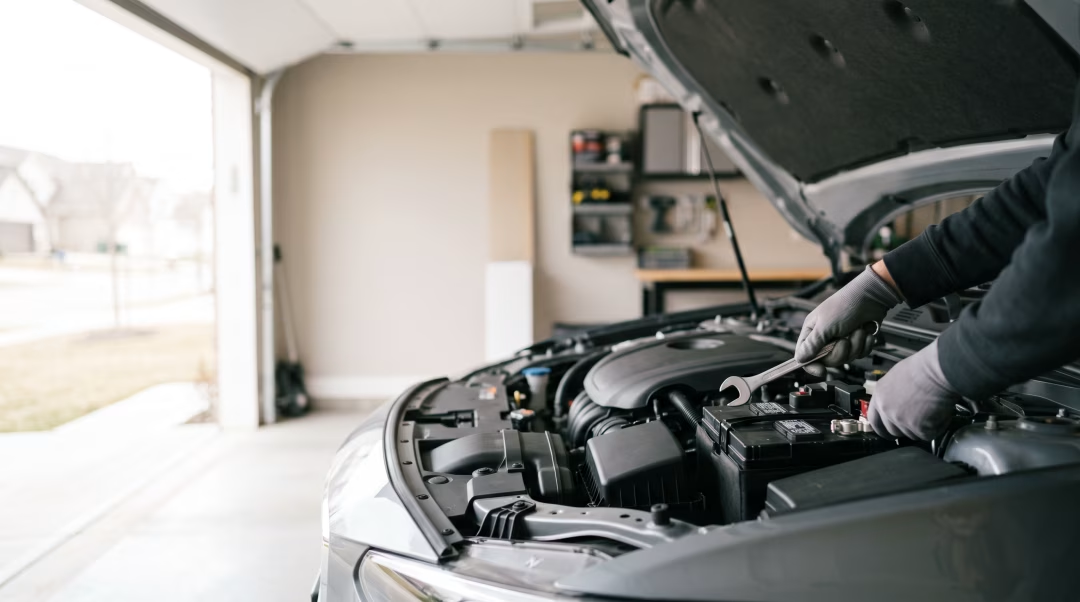
While a cold snap can expose a weak battery, it is the cumulative damage from summer after summer of intense Dallas heat that truly shortens its life. A car battery is a delicate balance of chemistry, relying on a liquid electrolyte solution to facilitate the flow of electricity. Under extreme heat, this process is thrown into disarray. The ambient temperature under the hood of a car parked in the Texas sun can easily exceed 140 degrees Fahrenheit. At these temperatures, the water in the electrolyte solution begins to evaporate, lowering the fluid level and exposing the lead plates. This not only diminishes the battery's ability to produce power but also increases the concentration of sulfuric acid, which accelerates the corrosion of the internal grids. This corrosion is the primary cause of battery failure in hot climates. It is a slow, gradual process, meaning a battery that worked perfectly in the spring could be on its last legs by August, often with little to no warning.
Warning Signs of a Heat Stressed Battery
Before a battery fails completely, it often gives subtle hints that it is struggling. Paying attention to these signs, especially during the peak summer months, can save you from being stranded. If you notice any of these symptoms, it is a good idea to have your battery tested.
- Slow Engine Crank: When you turn the key or press the start button, the engine turns over sluggishly instead of starting crisply. This is one of the most common signs your car battery is failing in hot weather.
- Dimming Lights and Electrical Issues: Your headlights or interior lights may appear dimmer than usual, especially when you start the car. You might also notice power windows moving more slowly.
- Warning Light: The battery or check engine light on your dashboard may illuminate, indicating a problem with the battery or the broader charging system.
- Visible Corrosion: A white, blue, or greenish powdery substance around the battery terminals (metal posts) is a clear sign of corrosion that can interfere with the electrical connection.
- Swollen or Warped Battery Case: Extreme heat can cause the battery's casing to swell or crack. If you see this, the battery needs to be replaced immediately as it is a serious safety hazard.
- Age of the Battery: In North Texas, the average car battery life is only about two to three years. If your battery is approaching this age, it is wise to be extra vigilant.
How to Protect Your Car Battery from the Dallas Heat
While you cannot change the weather, you can take several proactive steps to mitigate the effects of the heat on your car's battery. A little preventative maintenance goes a long way.
- Seek Shade: Whenever possible, park your car in a garage, under a carport, or in a shady spot. Reducing the direct sun exposure helps lower the under-hood temperature.
- Keep It Clean: Periodically check your battery terminals for corrosion. If you see any buildup, you can clean it with a wire brush and a mixture of baking soda and water. A clean connection is a strong connection.
- Limit Short Trips: Frequent, short drives do not give your alternator enough time to fully recharge the battery. This is especially true if you are running the A/C, stereo, and other accessories. Try to consolidate errands into longer trips when possible.
- Get It Tested: Most auto parts stores offer free battery testing. It is a good practice to have your battery and charging system tested before summer begins to see how much life it has left. This is a crucial step when you check a used car's battery before buying.
- Ensure It Is Secure: Make sure your battery is properly secured in its mounting bracket. Excessive vibration from a loose battery can cause internal damage and shorten its life.
If you find yourself with a vehicle that is constantly struggling with the heat, it might be a sign of underlying issues beyond just the battery. An unreliable car can add significant stress and unexpected costs to your life. Addressing these transportation challenges is what we specialize in. Our team can help you understand your options and explore solutions, including our straightforward in-house financing area.
Frequently Asked Questions About Car Batteries in Texas
How long do car batteries typically last in the Dallas area?
Due to the extreme summer heat, the average lifespan of a car battery in North Texas is significantly shorter than in cooler climates. While a battery might last five years or more up north, Dallas drivers should expect to replace their battery every two to three years on average.
Does running the air conditioner put more strain on the battery?
Yes, but primarily on the alternator, which is part of the charging system. When the engine is running, the alternator powers the A/C and other electronics while also recharging the battery. A failing alternator can cause the battery to drain even while you drive, which is a problem that often gets mistaken for a bad battery.
Is a more expensive battery a better choice for Texas heat?
Not necessarily by price alone, but batteries designed for hot climates, such as AGM (Absorbent Glass Mat) batteries, often perform better and last longer. They are more resistant to vibration and can handle high electrical loads better. Look for a battery with a good warranty and a high CCA (Cold Cranking Amps) rating, as this often correlates with better overall construction.
Can a car battery die suddenly without any warning signs?
Yes, it is possible. A battery can develop an internal short or a plate can fail suddenly, causing it to lose its ability to hold a charge completely. This is more common in older batteries that have been weakened by years of heat exposure. This is why regular testing is so important.
Besides starting the car, what other problems can a weak battery cause?
A failing battery can cause a wide range of seemingly unrelated electrical problems in modern vehicles. These can include issues with the radio or infotainment system, erratic behavior from power windows and locks, and even transmission shifting problems in some computer-controlled cars. The vehicle's computer systems require a steady voltage to operate correctly.
