

How to Choose The Best
Option Between Two Similar Used Cars
You have done the research, narrowed down your choices, and now you stand before two nearly identical used cars. They are the same make, the same model, and from a similar year. One has slightly lower mileage but is a bit more expensive. The other has a few more features but shows a little more wear. This is a common and often challenging decision point for many car buyers. Choosing between two very similar vehicles can feel overwhelming, but a systematic approach can make the decision much clearer. The key is to look beyond the sticker price and mileage and dig into the details that reveal the true value and long-term suitability of each car. By comparing their history, condition, and overall cost of ownership, you can confidently select the vehicle that is the right fit for your needs and budget. This guide will walk you through the essential steps to make an informed choice.
Making the final call between two great options requires a shift from broad searching to detailed analysis. This is where you become a detective, examining each car’s past, present, and potential future. From scrutinizing vehicle history reports to understanding the subtle differences in features and long-term costs, every detail matters. By focusing on the factors outlined below, you will gain the clarity needed to pick the winner. Let’s explore how to compare these vehicles side-by-side to find the perfect match for you.
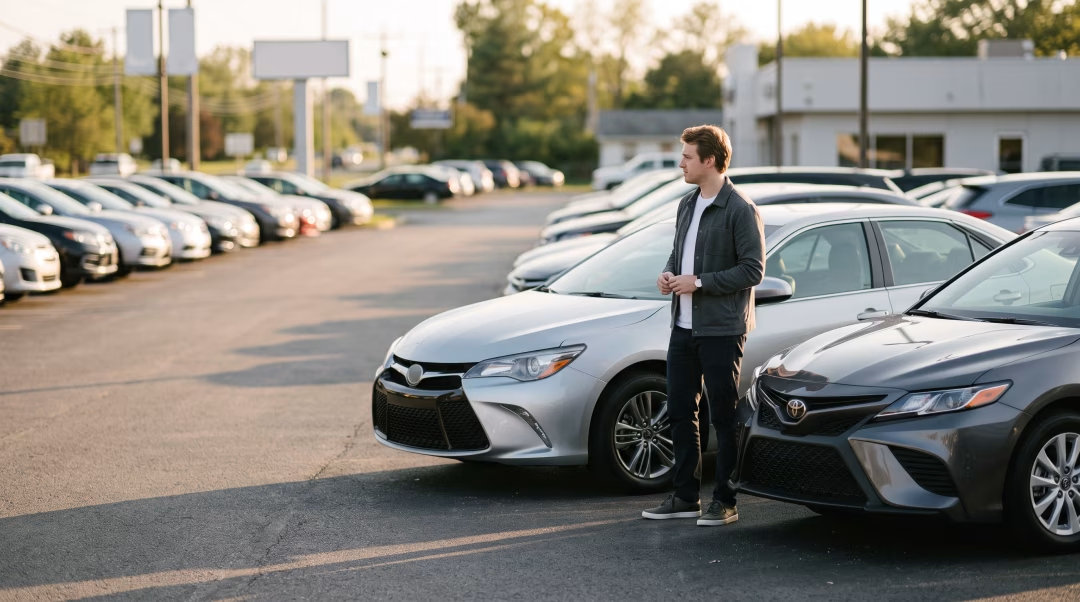
A Comprehensive Guide to Deciding Between Two Alike Vehicles
When you find yourself deciding between two vehicles that seem almost identical, it is time to look closer at the factors that truly set them apart. The best choice is not always the one with the lowest price or the fewest miles. A thoughtful comparison can save you from future headaches and ensure you get the best possible value. This process involves evaluating both the tangible data and your personal impression of each car.
Start with the Vehicle History Report
The first and most crucial step is to obtain and carefully review the vehicle history report for both cars. This document is a window into the vehicle's past and can reveal critical information that is not visible on the surface. Even if the cars look the same, their histories could be dramatically different.
- Number of Owners: A vehicle with a single owner is often a positive sign, suggesting consistent care. Multiple owners in a short period could be a red flag, potentially indicating a recurring, unresolved issue.
- Accident History: The report will detail any reported accidents. Pay attention to the severity. A minor fender bender is very different from a major collision that resulted in significant structural repairs. Learn more about why you should not automatically avoid a car with a prior accident.
- Title Status: Confirm that both vehicles have a clean title. A salvage or rebuilt title indicates the car was previously declared a total loss by an insurance company. While these vehicles can be priced lower, they may come with underlying issues.
- Service Records: A detailed service history is a huge plus. It shows the car was likely maintained according to the manufacturer's schedule. Look for regular oil changes, tire rotations, and other routine maintenance.
The Tale of Mileage vs. Condition
It is easy to assume that the car with lower mileage is the better option, but that is not always the case. How a car was driven is just as important as how far it was driven. A car with 80,000 highway miles may be in better mechanical shape than a car with 60,000 miles of stressful, stop-and-go city driving. Use mileage as one data point, not the only one. A physical inspection is vital. Look at the wear on the driver’s seat, steering wheel, and pedals. Does the level of wear seem consistent with the mileage shown on the odometer? Check the tires for tread depth and uneven wear, which could signal alignment problems. For a deeper dive, consider inspecting the suspension during your evaluation.
The All-Important Test Drive Comparison
You must schedule a test drive for both vehicles, ideally back-to-back on the same day. This allows for a more direct and memorable comparison. Drive them on a familiar route that includes a mix of city streets, stop signs, and highway speeds. As you drive, turn off the radio and listen carefully.
- Engine and Transmission: Does the engine start easily and idle smoothly? Listen for any unusual noises like knocking, ticking, or whining. Pay close attention to how the transmission shifts. It should be smooth and predictable, without any hesitation, jerking, or slipping.
- Brakes and Steering: The brake pedal should feel firm, not spongy. The car should stop in a straight line without pulling to one side. The steering should feel responsive and stable, without excessive play or vibration.
- Comfort and Features: Test every button, switch, and knob. Check the air conditioning and heat, the windows, the sound system, and any other electronic features. Does one car have a more comfortable seating position for you? Is the visibility better in one over the other?
Comparing Total Cost of Ownership
The sticker price is just the beginning of what you will spend on a car. To make a truly smart financial decision, you need to think about the long-term cost of ownership. This is especially important when comparing two similar cars where the upfront prices are close. A slightly cheaper car could end up costing you more over time. Consider how to compare cars by total cost. For example, one trim level might have a more fuel-efficient engine variant, saving you money at the pump every week. You can also research typical insurance rates for each specific trim level, as they can sometimes differ. Finally, look up common maintenance costs and reliability ratings for that specific model year. One year might have a known issue that the other does not, which could lead to an expensive repair down the road.
Making the Final Decision
After you have gathered all the objective data—history reports, inspection results, test drive notes, and cost analysis—the final decision often comes down to which car feels right for you. Which one did you enjoy driving more? Which interior made you feel more comfortable? Sometimes, a small feature like a better sound system or a more intuitive dashboard layout can make a big difference in your daily driving experience. Trust your gut, but make sure it is backed up by solid research and a thorough inspection. By combining objective facts with your subjective preferences, you can confidently choose the car that will best serve you for years to come. If you are ready to explore your options, browse our used inventory today or get pre-qualified to understand your financing possibilities.
Should I always choose the used car with lower mileage?
Not necessarily. While lower mileage is generally desirable, the car's condition and history are more important. A well-maintained car with 80,000 highway miles can be in better mechanical shape than a neglected car with 50,000 miles of hard city driving. Always prioritize service history and a mechanical inspection over mileage alone.
How much does a minor accident on a history report really matter?
A minor incident, like a cosmetic fender bender that was properly repaired, is usually not a major concern. However, it is essential to verify the quality of the repair. Look for mismatched paint or uneven panel gaps. A history report showing major damage or airbag deployment requires much more scrutiny and a thorough inspection by a professional mechanic.
What if one car has new tires but the other is slightly cheaper?
This requires a simple cost-benefit analysis. A new set of quality tires can cost several hundred dollars. If the price difference between the two cars is less than the cost of new tires, the car that already has them is likely the better value, assuming all other factors are equal. This saves you an immediate out-of-pocket expense.
Is a newer model year always better than an older one with fewer miles?
A newer model year might offer updated technology, improved safety features, or better fuel economy. However, an older, low-mileage car that was impeccably maintained by a single owner could be more reliable in the long run. You must weigh the benefits of modernity against the proven track record of a well-cared-for older vehicle.
Can I get a pre-purchase inspection for two different cars I'm considering?
Absolutely. While it involves an upfront cost for each inspection, think of it as an investment. Spending a couple of hundred dollars on inspections could save you from thousands in unexpected repairs. If you have narrowed it down to two final contenders, getting both professionally inspected is a very wise step before making your final choice.
