

How to Choose the Right
Body Shop After an Accident
Dealing with the aftermath of a car accident is stressful enough without the added pressure of finding a trustworthy repair facility. Choosing the right body shop is a critical decision that directly impacts your vehicle's safety, appearance, and value. The process involves more than just getting an estimate; it is about finding a team of certified professionals who use quality parts and stand behind their work with a solid warranty. Your insurance company may suggest a preferred shop, but it is important to remember that you have the final say. Taking the time to research your options, ask detailed questions, and understand the repair process will give you peace of mind and help get your vehicle back on the road in its pre-accident condition. A well-repaired vehicle is not only safer but also maintains its value, which is crucial if you ever decide to value your trade in the future.
Your vehicle is one of your most significant investments. After a collision, entrusting it to the right hands is paramount. A quality repair is not just cosmetic; it ensures that structural integrity and safety systems are restored to factory specifications. This guide will walk you through the essential steps, from understanding your rights as a consumer to performing a final inspection of the completed work. Being an informed customer is your best tool for navigating the repair process successfully and with confidence.
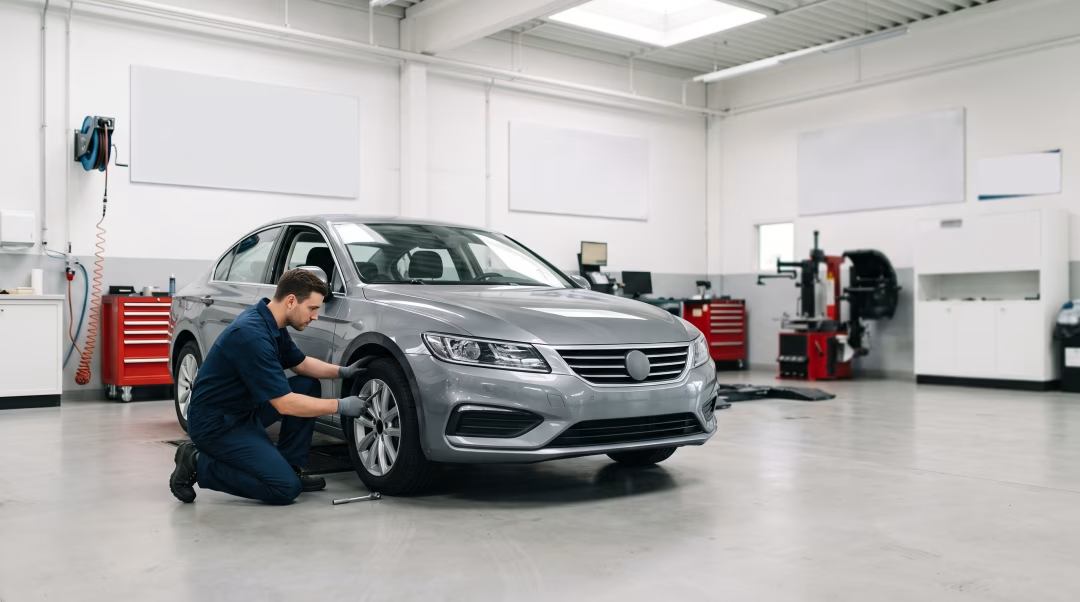
You Have the Right to Choose Your Repair Shop
Immediately following an accident, one of the first calls you will make is to your insurance provider. They will likely provide you with a list of "preferred" or "direct repair program" (DRP) body shops. While these shops have agreements with the insurer to streamline the claims process, it is legally your right to have your vehicle repaired at any shop of your choosing. An insurance company cannot require you to use a specific facility. Their recommended shops may offer convenience, but it is wise to do your own independent research. The primary goal is to find a shop that prioritizes high-quality repairs and customer service, working for you as their client, not just for the insurance company.
Researching and Vetting Potential Body Shops
Your search for the right auto body shop should begin with diligent research. Do not simply pick the first name that appears in a search. A little time spent vetting your options can save you from poor workmanship and future headaches.
Start by asking for recommendations from friends, family, or colleagues. A personal referral from someone you trust is often a great starting point. From there, expand your search online. Look at reviews on multiple platforms, but read them with a critical eye. Look for patterns in the feedback. Are customers consistently praising the communication, quality of work, and timeline? Or are there repeated complaints about delays, hidden fees, or repairs that did not last? A shop's overall reputation within the community speaks volumes.
Next, investigate their qualifications. A professional shop will proudly display its certifications. Look for technicians who are ASE (Automotive Service Excellence) certified. An even higher standard is the I-CAR Gold Class designation, which indicates the shop invests in ongoing training for its staff to keep up with the latest vehicle technology and repair procedures. Modern vehicles are incredibly complex, so you want a team that is equipped with the knowledge and tools to repair them correctly. Visiting one of our locations can give you an idea of the professional standards we uphold.
Getting Multiple, Detailed Estimates
It is always a good practice to get at least two or three written estimates from different shops. However, do not let the bottom-line price be your only deciding factor. The cheapest estimate is often not the best one. An extremely low estimate could be a red flag, indicating that the shop might be cutting corners, using low-quality aftermarket parts, or providing an incomplete assessment of the damage.
A thorough estimate should be itemized, detailing the costs for parts, labor, and materials like paint. It should specify what parts are being replaced or repaired. A reputable estimator will take the time to walk you through the assessment, explaining the required procedures and answering your questions. A vague or rushed estimate is a sign of a shop you may want to avoid. A detailed initial inspection is similar in principle to the reconditioning process our vehicles go through, which you can see in our used inventory.
Critical Questions for Any Body Shop
When you visit a potential shop, come prepared with a list of questions. Their answers will reveal a lot about their business practices and commitment to quality. Here are some of the most important things to ask:
- Do you provide a written, lifetime warranty on your workmanship and paint?
- Will you be using Original Equipment Manufacturer (OEM) parts, or will you use aftermarket or used parts?
- How do you handle supplemental damage that is discovered after the initial estimate?
- What is the estimated time frame for the repairs to be completed?
- How will I be kept informed about the status of my vehicle's repair?
- Do you have experience working directly with my specific insurance company?
The willingness of the staff, like the professionals you can read about on our meet our staff page, to answer these questions clearly and confidently is a strong indicator of a customer-focused business.
Inspecting the Final Repair Work
Once the shop notifies you that your vehicle is ready, your job is not quite done. Before you make the final payment and drive away, you need to conduct a thorough inspection of the work. It is best to do this during daylight hours when you can see everything clearly.
First, walk around the exterior. Check the paint color to see if it matches the rest of the car from different angles. Look for a smooth, uniform finish with no drips, bubbles, or "orange peel" texture. Examine the gaps between the repaired or replaced panels and the existing bodywork. They should be even and consistent. Test all the lights, turn signals, and the horn. Open and close all the doors, the hood, and the trunk to be certain they operate smoothly.
Inside the car, check for any signs of paint overspray on the windows, trim, or upholstery. Make sure the interior is as clean as it was when you dropped it off. Test the electronics, including the radio, climate controls, and any driver-assist features. Finally, take the car for a short schedule a test drive. Listen for any unusual rattles or wind noise. The car should drive straight without pulling to one side. If anything seems off, address it with the shop manager immediately, before you leave the premises. Do not sign the final paperwork until you are completely satisfied with the repairs.
Do I have to use the body shop my insurance company recommends?
No, you do not. In nearly every state, it is your legal right as the vehicle owner to choose the repair facility. While your insurer's recommended shop might offer a streamlined process, you should always select a shop you have researched and feel confident will perform high-quality work on your behalf.
What is the difference between an estimate and a supplement?
An estimate is the initial assessment of the visible damage and the projected cost of repair. A supplement, or supplemental claim, is an additional charge for damage that is discovered after the repair process begins, such as hidden structural issues that were not visible during the initial inspection. This is a common part of the auto body repair process.
Should I be worried if a shop's estimate is much lower than others?
Yes, a significantly lower estimate can be a red flag. It may indicate that the shop plans to use lower quality aftermarket parts, is not accounting for all necessary repair procedures, or is cutting corners on labor or materials. It is important to compare what is included in each estimate, not just the final price.
What are OEM parts and should I insist on them?
OEM stands for Original Equipment Manufacturer. These are parts made by your vehicle's manufacturer and are identical to the ones your car was built with. While aftermarket parts can sometimes be a cost-effective alternative, OEM parts are generally preferred for their fit, finish, and quality. You can discuss part options with the shop and review your insurance policy, which may specify the type of parts covered.
How long does a typical body repair take after an accident?
The repair timeline varies widely depending on the extent of the damage, the availability of parts, and the shop's current workload. A minor repair like a bumper replacement might take a few days, while extensive structural damage could take several weeks. A reputable shop will provide you with an estimated completion date and keep you updated on the progress.
