

How to Prepare Your Car
for a North Texas Hailstorm
Protect Your Vehicle from North Texas Weather
In North Texas, the sky can change from sunny to severe in a matter of minutes. Hailstorms are a frequent and formidable threat, capable of causing significant damage to your vehicle. From small dings to shattered windshields, the financial and logistical headache of hail damage is something every car owner wants to avoid. Understanding how to prepare your vehicle is not just a precaution; it is an essential part of responsible car ownership in the Dallas-Fort Worth area. By taking proactive steps, you can shield your car from the worst of the storm, preserving its appearance, function, and value. This guide provides practical, real-world advice for safeguarding your vehicle before, during, and after a hailstorm strikes. Being prepared can save you from costly repairs and the stress that comes with navigating insurance claims and being without your trusted mode of transportation.
Even with the best preparation, unpredictable weather can sometimes win. If your vehicle has sustained hail damage, you may be wondering about your options. Repairing the damage can be costly and time-consuming. For some, this might be the right moment to consider upgrading to a different vehicle. It is possible to trade in a car with hail damage, and doing so can be a straightforward way to move into a reliable pre-owned car, truck, or SUV without the hassle of arranging for extensive bodywork.
A Comprehensive Guide to Hailstorm Preparedness for DFW Drivers
Living in North Texas means accepting that severe weather, particularly hailstorms, is a part of life. The region is located in an area colloquially known as "Hail Alley" for good reason. These storms can develop rapidly and unleash ice stones ranging from pea-sized pellets to golf balls, baseballs, or even softballs. The damage inflicted depends on the size and density of the hail, the wind speed, and the duration of the storm. Even minor hail can leave behind a constellation of dents that diminish your car's aesthetic appeal and resale value. Larger hail can crack windows, break mirrors, and cause deep, costly body damage. Preparing for this threat involves a multi-layered approach that starts long before the storm clouds gather.
Be Proactive: Your First Line of Defense
The best way to handle a hailstorm is to avoid it altogether. While you cannot stop the weather, you can take steps to get your car out of harm's way before the first hailstone falls.
- Stay Informed: Invest in a reliable weather app for your smartphone that provides push notifications for severe weather alerts in your specific location. Local news channels and weather radios are also excellent resources for real-time updates. Pay attention when meteorologists mention the potential for severe storms with large hail.
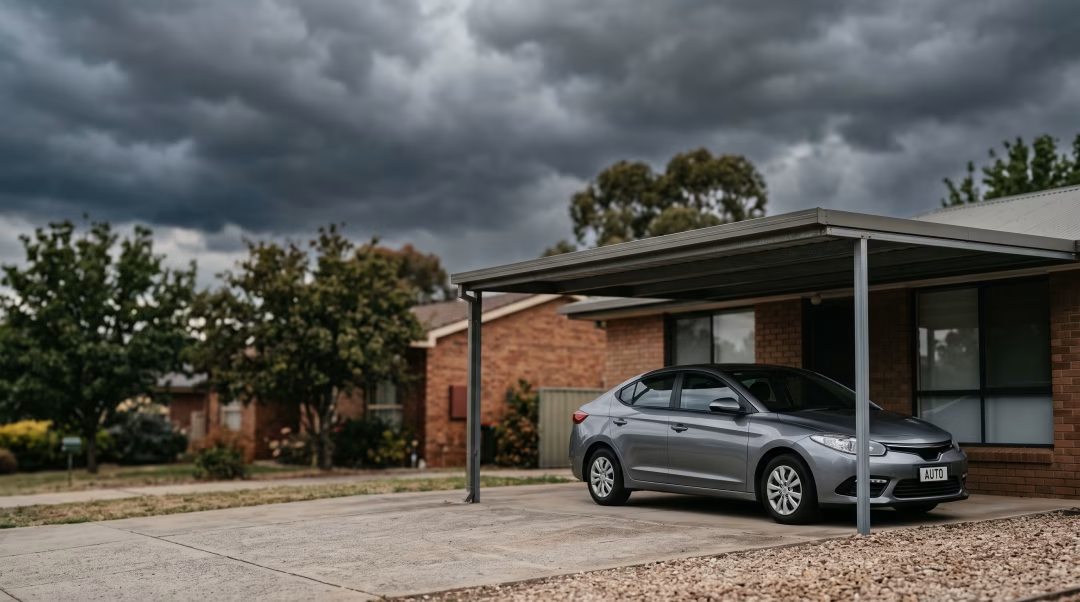
- Know Your Parking Options: The safest place for your car during a hailstorm is inside a sturdy, enclosed structure. A home garage is ideal. If you live in an apartment complex, consider whether a covered parking spot or garage is available. Even the monthly cost of a reserved covered spot is far less than the cost of a new paint job or a large insurance deductible.
- Scout Public Shelters: If you do not have access to covered parking at home or work, identify nearby public options. Shopping mall parking garages, hospitals, and public transit stations often have covered parking available. Knowing where these are ahead of time can be a lifesaver when a storm warning is issued.
Improvised Protection: When a Garage Is Not an Option
Many North Texans do not have access to a garage or carport. If that is your situation, you are not out of options. With some creativity and quick thinking, you can still provide a significant amount of protection for your vehicle.
- Hail Covers: Invest in a specially designed inflatable or heavily padded car cover. These can be pricey but are often cheaper than a single insurance deductible. They are built to absorb the impact of hailstones and are a great option for those without permanent cover.
- DIY Methods: If a storm is approaching and you have no other choice, use what you have. Thick blankets, comforters, sleeping bags, or even the floor mats from your car can be placed over the roof, hood, trunk, and windows. Secure them with duct tape or by closing the edges in the doors and trunk to prevent them from blowing away. This may look unusual, but it can make the difference between minor dents and major damage.
- Strategic Parking: If you are in a pinch, park on the side of a sturdy building that can block the wind-driven hail. This will not protect the entire vehicle, but it can shield at least one side from the worst of the impact.
Caught on the Road: Safety First
Being caught driving when a hailstorm hits is a dangerous situation. Your priority must shift from protecting your car to protecting yourself. Pull over as quickly and safely as you can. Look for immediate shelter under a gas station awning or a highway overpass. Do not exit the vehicle, as large hail can cause serious injury. Lie down on the seat with your back to the windows and cover your head with your arms or a jacket. A cracked windshield is replaceable; you are not.
After the Storm: Assessment and Action
Once the storm has passed and it is safe to go outside, it is time to assess the situation. If your car has been damaged, a clear and methodical approach is best.
First, document everything. Walk around your vehicle and take clear photos and videos of all damage from multiple angles. Capture close-ups of dents and cracks as well as wider shots that show the overall condition. This evidence will be crucial for your insurance claim. For a better understanding of what to look for, review our guide on how to spot hail damage on a used car.
Next, contact your insurance provider immediately. Hail damage is typically covered under the comprehensive portion of your auto policy. For more details on this, see our article that answers the question, does comprehensive insurance cover hail damage? Your insurer will guide you through the claims process, which usually involves an inspection by an adjuster to estimate the repair costs.
Based on the adjuster's report, you will learn about your repair options. For minor to moderate dents where the paint is not broken, Paintless Dent Repair (PDR) is a common and effective solution. PDR technicians use special tools to massage the dents out from the backside of the panel, preserving the original factory paint. For more severe damage, traditional bodywork, which may involve sanding, filling, and repainting, might be necessary.
When Damage is Extensive: Considering Your Options
In some cases, the cost to repair the hail damage may exceed the vehicle's value, leading the insurance company to declare it a "total loss." If this happens, the insurer will typically pay you the actual cash value of the car, minus your deductible. This can be an opportunity to start fresh. Instead of dealing with the complexities of a branded title or extensive repairs, you can use that insurance payout as a down payment on your next vehicle.
This is also where we can help. If you are facing a hefty repair bill or have decided against fixing the damage, consider getting a trade-in appraisal. You can find out what your vehicle may be worth by using our online value my trade tool. We have extensive experience with vehicles of all conditions, including those with hail damage. We can provide a straightforward offer and help you explore our wide used inventory to find a reliable and affordable replacement. Our finance team is ready to discuss your options and can answer any of your financing frequently asked questions.
Frequently Asked Questions About Hail Protection
Does car insurance cover hail damage?
Yes, hail damage is typically covered if you have comprehensive coverage as part of your auto insurance policy. Comprehensive coverage handles damage from non-collision events, including weather, theft, and vandalism. Liability-only policies do not cover hail damage. It is always best to review your policy or contact your agent to understand your specific coverage and deductible amount.
What is the best way to protect my car from hail without a garage?
If you do not have a garage, the best option is a specialized, padded or inflatable hail-proof car cover. For a more budget-friendly or last-minute solution, you can layer thick blankets, comforters, or moving pads over your vehicle's horizontal surfaces and windows. Seeking temporary shelter in a public parking garage is also an excellent strategy if you have enough warning.
Is it safe to drive during a hailstorm?
No, it is extremely dangerous to drive during a hailstorm. The hail can shatter your windshield and windows, severely limiting visibility and posing a risk of injury. The roads also become slick. The safest action is to pull over as soon as possible and find shelter, such as under a bridge or gas station awning, and wait for the storm to pass.
Can I trade in a car that has hail damage?
Absolutely. Many people choose to trade in a vehicle with hail damage rather than go through the repair process. The damage will affect the vehicle's trade-in value, but a dealership can provide a fair offer based on its condition. This allows you to easily transition into a different vehicle without managing repairs yourself.
Will minor hail damage lower my car's resale value?
Yes, any amount of hail damage will likely lower your car's resale value. Even small dings are considered cosmetic blemishes that subsequent buyers will notice. This is why Paintless Dent Repair is a popular option for minor damage, as it can restore the vehicle's appearance and help preserve its value more effectively than leaving the dents untreated.
