

How to Protect Your Car
Interior from Damaging Texas Sun
The relentless Texas sun is more than just a source of intense heat; it is a constant threat to your vehicle's interior. Over time, the powerful combination of ultraviolet (UV) rays and high temperatures can cause significant and often irreversible damage. You may notice your dashboard developing cracks, your leather seats becoming brittle and faded, and plastic trim turning dull and chalky. This not only diminishes the visual appeal of your car but can also substantially decrease its resale value. Protecting your car's cabin from sun damage is a crucial part of vehicle ownership in the Lone Star State. Taking proactive steps to shield your upholstery, dashboard, and other surfaces from the sun's harsh effects will keep your vehicle looking newer for longer and help you maintain the investment you have made in your transportation. A well-preserved interior is a testament to a well-cared-for car, something every owner can be proud of.
Fortunately, defending your car’s interior from the sun does not have to be a complicated or expensive ordeal. A combination of simple habits, affordable accessories, and proper maintenance can create a powerful barrier against UV radiation and heat buildup. By incorporating these strategies into your routine, you can preserve the comfort, color, and condition of your vehicle’s cabin for many years to come. Below, we explore the most effective methods for keeping your interior cool and protected from the Texas elements.
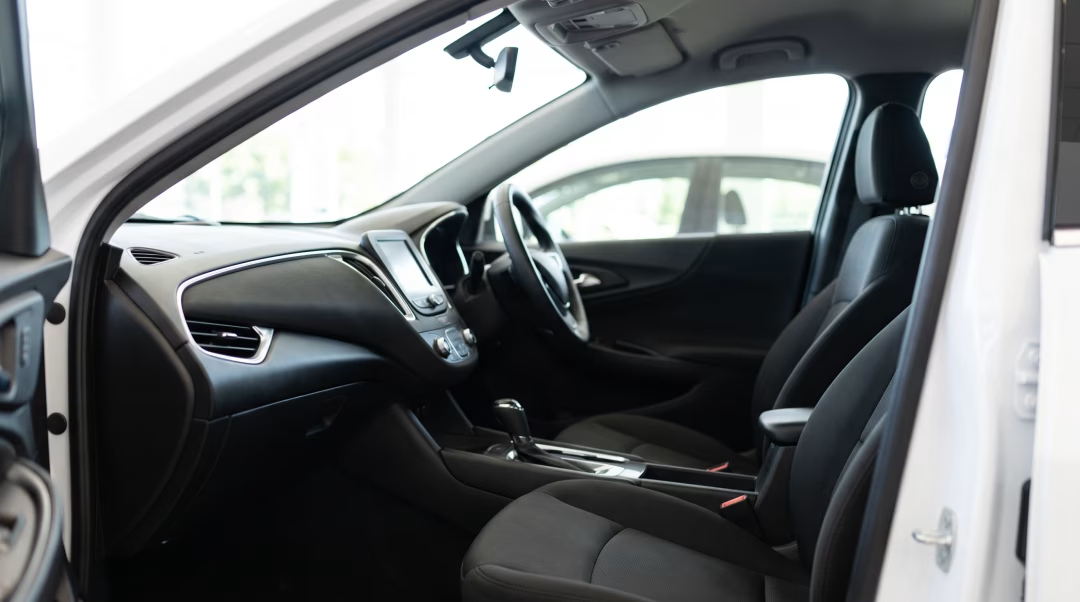
A Comprehensive Guide to Interior Sun Protection
Living in Texas means enjoying plenty of sunshine, but that same sun can be your car interior's worst enemy. The daily exposure to intense UV rays and heat can bake sensitive materials, leading to fading, cracking, and premature aging. Protecting your investment goes beyond mechanical maintenance; it includes preserving the cabin where you spend your time. A pristine interior not only makes for a more pleasant drive but also plays a significant role when it is time to value your trade-in. This detailed guide provides actionable steps you can take to shield your vehicle from sun damage.
The First Line of Defense: Smart Parking and Sunshades
The simplest and most effective strategy is often overlooked: where you park. While not always possible, choosing your parking spot wisely can make a world of difference.
- Seek covered parking whenever available, such as a garage or carport. This is the most complete protection you can give your vehicle.
- If covered parking is not an option, look for natural shade from buildings, trees, or other large structures. Be mindful that parking under trees may lead to bird droppings or sap.
- Use a quality, reflective windshield sunshade every single time you park outside. This accessory is non-negotiable for Texas drivers. It reflects sunlight away from your dashboard—the most exposed surface—and can significantly lower the interior temperature. Custom-fit shades offer the best coverage, leaving no gaps for sun to sneak through.
Advanced Protection: Window Tinting
Automotive window tint is one of the most effective upgrades for combating the sun. Modern window films do much more than just darken your windows. High-quality ceramic or crystalline tints are engineered to block up to 99% of harmful UV rays and reject a significant amount of solar heat, even with lighter shades. This helps keep your interior cooler and protects all surfaces, from the dashboard to the rear deck. Before you install tint, it is essential to be familiar with the current window tint laws in Texas to make certain your vehicle remains compliant. The investment in professional tinting pays off by protecting your interior, improving comfort, and reducing the strain on your air conditioning system.
Caring for Your Dashboard and Plastic Trim
Your dashboard bears the brunt of the sun's assault through the windshield. Protecting it is critical to preventing cracks and fading. A dashboard cover is an excellent physical barrier. They come in various materials like carpet, velour, or suede and are custom-cut to fit your vehicle’s specific model. In addition to a cover, regularly treat your dashboard and other plastic or vinyl trim with a high-quality interior protectant. Look for water-based formulas that offer UV protection without leaving a greasy, dust-attracting residue. Applying this every few weeks during the summer months replenishes moisture and creates a sacrificial barrier against UV radiation.
Preserving Your Seats: Leather and Cloth Care
The sun is equally damaging to your seating surfaces. The approach to protection differs based on the material.
Leather Seats: UV rays dry out the natural oils in leather, leading to stiffness, cracking, and color fading. The debate between leather vs cloth seats for Texas summers often comes down to maintenance. To protect leather, first, clean the seats with a dedicated leather cleaner. Then, apply a high-quality leather conditioner that contains UV inhibitors. This process should be repeated every one to three months, depending on how much sun exposure the car gets.
Cloth Seats: While cloth does not crack like leather, it is highly susceptible to fading. The sun can bleach the dyes in the fabric, leaving it looking old and washed out. The best protection for cloth seats is a set of custom-fit seat covers. They completely block the sun and also protect against spills and wear. If you prefer the look of your factory seats, treat them with a fabric guard spray that includes UV blockers.
Long-Term Maintenance for a Healthy Interior
A consistent cleaning routine is an underrated part of sun protection. Dust and grime on surfaces can magnify the effects of heat and light. Regularly wiping down all interior surfaces with a microfiber cloth removes these particles. When you check out our used inventory, you will notice we take great care to present clean, well-maintained vehicles, a practice every car owner should adopt. By combining these protective measures, you can ensure your car's interior stays comfortable and pristine, even under the harsh Texas sun. If you have any questions, feel free to contact us for more tips.
Does a car's exterior color affect how hot the interior gets?
Yes, it does. Darker colored vehicles, such as black or dark blue, absorb more light and solar energy, which translates into more heat inside the car. Lighter colors like white, silver, or beige reflect more sunlight, and their interiors tend to stay a few degrees cooler when parked in the sun. However, all cars will get dangerously hot in the Texas sun, so protective measures are necessary regardless of exterior color.
Are cheap, generic sunshades worth using?
Any sunshade is better than no sunshade at all. Even an inexpensive, generic one will provide a physical barrier that reflects a good amount of light and heat. However, custom-fit sunshades are a superior choice because they cover the entire windshield without gaps, offering maximum protection for your dashboard and helping to keep the interior temperature lower.
How often should I apply interior UV protectant sprays?
The frequency depends on the product and your vehicle's sun exposure. For a car that is parked outside for long periods every day, it is a good idea to apply a quality UV protectant to the dashboard, door panels, and other hard surfaces every 3 to 4 weeks. If your car is mostly garaged, applying it every 6 to 8 weeks should be sufficient. Always follow the specific instructions on the product label.
Can existing sun damage on a dashboard be repaired?
It depends on the severity. Minor fading can sometimes be improved with specialized detailing products. Small cracks can occasionally be filled and concealed with vinyl and leather repair kits. However, extensive cracking and brittleness are very difficult to repair effectively, and the dashboard may need to be replaced entirely, which can be an expensive job. This is why prevention is so crucial.
Is the factory tint on my windows enough protection?
Factory privacy glass, typically found on the rear windows of SUVs and trucks, is designed more for privacy than for UV protection. While it does reduce visible light, it may not block a significant amount of UV rays or solar heat. To get comprehensive protection, applying a high-quality aftermarket ceramic or carbon window film over the factory tint and on the front windows is a much more effective solution.
