

How to Properly Store a Car
You Do Not Drive Every Day
Whether you own a classic convertible for sunny weekends, a work truck you only use for special jobs, or are planning an extended trip, knowing how to properly store a car you do not drive every day is crucial. A vehicle left to sit for weeks or months without preparation can develop a surprising number of problems, from a dead battery and flat-spotted tires to fluid degradation and pest infestations. Taking a few preventative steps before you put your car away can save you from costly repairs and major headaches down the road. This guide will walk you through the essential preparations to keep your vehicle in prime condition, so it is ready to go when you are. Proper storage protects your investment and preserves its performance and appearance, ensuring it remains a reliable asset for years to come.
Following a proper storage procedure does more than just protect your vehicle; it provides peace of mind. You can rest easy knowing your car is shielded from the elements, its mechanical components are preserved, and its value is maintained. When the time comes to bring it out of hibernation, you will face a simple and straightforward process rather than a series of frustrating and expensive fixes. Let us dive into the comprehensive details of what it takes to prepare your vehicle for a period of inactivity.
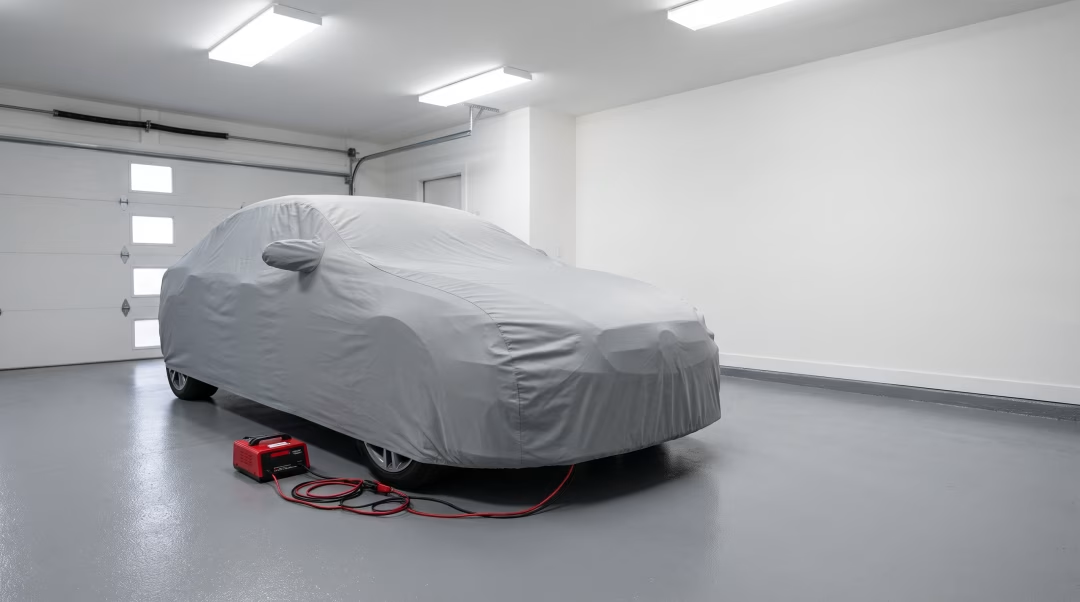
The Ultimate Checklist for Long-Term Vehicle Storage
Letting a car sit for an extended period is not as simple as parking it and walking away. Modern vehicles are complex systems that are designed for regular use. When they remain stationary, various components can suffer. This detailed guide covers every aspect of car storage, from choosing a location to waking it up again.
Step 1: Choose the Ideal Storage Location
Where you store your car is the single most important decision you will make. The environment has a massive impact on the preservation of your vehicle's paint, interior, and mechanical parts.
- Indoor Storage: This is the superior option. A climate-controlled garage is the gold standard, protecting your car from temperature swings, humidity, sun exposure, and physical threats like falling branches or hail. A standard garage or a secure storage unit also provides excellent protection from the elements. This is the best way to prevent sun damage to your paint and interior, a common issue for cars in the Texas sun.
- Outdoor Storage: If indoor storage is not an option, you can still take steps to protect your vehicle. Choose a safe, secure location like a private driveway over street parking. The most critical investment for outdoor storage is a high-quality, breathable, and waterproof car cover. Avoid cheap plastic tarps, as they can trap moisture and cause more harm than good by potentially damaging the paint finish.
Step 2: Clean Your Vehicle Inside and Out
Putting a dirty car into storage is a recipe for long-term damage. Contaminants on the exterior and crumbs in the interior can cause permanent issues over time.
Exterior Cleaning: Give your car a thorough wash to remove dirt, road grime, bird droppings, and tree sap. These substances can etch into your car's clear coat and cause permanent paint damage if left to sit. After washing, apply a quality coat of wax. This provides an essential protective barrier against moisture, dust, and other environmental contaminants. Do not forget to clean the wheels and undercarriage, where corrosive salt and dirt can accumulate.
Interior Detailing: The inside is just as important. Thoroughly vacuum the carpets, seats, and floor mats to remove all food crumbs, dirt, and debris. Any organic material can attract rodents and insects, which can cause devastating damage to wiring and upholstery. Clean all surfaces and consider using a leather conditioner if applicable. To combat musty odors and moisture buildup, place a container of baking soda or a specialized moisture-absorber inside the cabin.
Step 3: Manage Fluids and Fuel
The fluids in your car are its lifeblood, and they require attention before storage. How you handle them depends on the length of the storage period.
- Fuel Tank: For storage lasting a few months up to a year, fill the fuel tank to about 90% full. This minimizes the amount of air space in the tank, which reduces the potential for moisture condensation and rust. Add a quality fuel stabilizer to the tank before filling it up. Run the engine for 5 to 10 minutes to ensure the stabilized fuel circulates through the entire system, including the fuel lines and injectors.
- Oil Change: Used engine oil contains contaminants that can damage internal engine components over time. It is highly recommended to get an oil and filter change right before you store the vehicle. Clean oil will help protect the engine's internals while it sits idle.
- Other Fluids: Top off all other essential fluids, such as coolant, brake fluid, and windshield washer fluid. This helps prevent seals from drying out and cracking.
Step 4: Protect the Battery and Tires
Two of the most common casualties of improper car storage are the battery and the tires. Both require specific steps to ensure they remain in good health.
Battery Care: A modern car's electronics create a constant small drain on the battery, even when the car is off. Over a few weeks, this will completely drain the battery, potentially damaging it beyond recovery. You have two main options:
- Use a Battery Tender: This is the best solution. A battery tender, also known as a trickle charger or battery maintainer, monitors the battery's charge and provides a slow, steady stream of power only when needed. It keeps the battery optimally charged without overcharging it.
- Disconnect the Battery: If a power source for a tender is not available, you can disconnect the negative battery terminal. This will prevent the slow drain from the car's electronics. Be aware that this will likely reset your car's radio presets, clock, and onboard computer systems.
Tire Protection: When a car sits in one spot for months, the tires can develop "flat spots" from the constant pressure on a single area. To prevent this, inflate the tires to the maximum recommended pressure listed on the tire sidewall, not the door jamb sticker. This helps the tire maintain its shape. For very long-term storage (over six months), consider placing the car on jack stands to take the weight completely off the tires. This is an essential step for preserving high-performance or classic car tires. If you are considering selling your vehicle after storage and notice significant tire wear, it might be time to browse our used inventory for a replacement.
Step 5: Address Insurance and Registration
Do not simply cancel your insurance policy. Most states, including Texas, require registered vehicles to be insured. Furthermore, if you have a loan on the car, your financing agreement will almost certainly mandate continuous coverage. Many insurance providers offer a reduced "storage" or "comprehensive-only" policy. This removes collision coverage but keeps protection against theft, fire, vandalism, and other non-driving-related damage. Discuss your options with your insurance agent to find the right balance of protection and cost savings. Check with your local DMV about any requirements for keeping the registration active on a stored vehicle. If you have questions about financing requirements, you can learn more about why financed cars require full coverage on our blog.
Waking Your Car Up After Storage
When you are ready to drive your car again, you cannot just hop in and go. Follow these steps to bring it out of hibernation safely:
- Give the car a visual inspection. Look for any signs of leaks or pests.
- Check the tire pressure and adjust it back to the normal operating level found on the door jamb sticker.
- Reconnect the battery if you disconnected it.
- Check all fluid levels again, especially engine oil and brake fluid.
- Start the engine and let it idle for a few minutes to allow fluids to circulate.
- Test the brakes gently at low speed before heading out onto the road. Some surface rust may have built up on the rotors, which will usually wear off after a few stops.
- Reinstate your full insurance coverage and ensure your registration is current.
By following these steps, you can confidently store any vehicle and know it will be preserved and ready for your next adventure. If you discover your stored car no longer meets your needs, you can easily value your trade and explore newer options with us. For more helpful tips, visit our blog or contact us with any questions.
Do I need to keep insurance on a car in storage?
Yes, in most cases. If the vehicle is registered, Texas law requires it to be insured. Additionally, if you have an auto loan, your lender will mandate continuous comprehensive and collision coverage. You may be able to reduce your policy to comprehensive-only coverage, which protects against non-driving incidents like theft or fire, saving you money while keeping you compliant.
How often should I start a stored car?
It is actually better not to start a stored car periodically. Starting the engine for just a few minutes does not allow it to reach full operating temperature, which creates condensation in the engine and exhaust system, potentially causing more harm than good. A better approach is to use a battery tender and properly prepare the fuel system with a stabilizer.
What is the best way to protect the battery during long-term storage?
The most effective method is to use a modern battery tender, also known as a battery maintainer. This device connects to your battery and the wall outlet, providing a slow trickle charge only when the battery needs it. This keeps the battery fully charged without the risk of overcharging, which preserves its health and longevity.
Should I use the parking brake when storing a car for a long time?
For long-term storage, it is generally recommended to not engage the parking brake, especially in humid climates. The brake pads can fuse to the rotors over time, making them difficult to release. Instead, use wheel chocks to secure the vehicle and prevent it from rolling. This is a safer method for extended periods of inactivity.
How can I prevent pests from getting into my stored car?
Start by thoroughly cleaning the interior to remove any food crumbs or wrappers. To deter rodents, you can place mothballs, peppermint oil-soaked cotton balls, or commercially available rodent repellents in the cabin, trunk, and engine bay. You can also block potential entry points like the exhaust pipe and air intake with steel wool, but remember to remove these before starting the car.
