

How to Wash Your Car in
Hot Weather Without Damaging the Paint
Protecting Your Vehicle's Finish from Summer Heat
Washing your car on a hot, sunny day seems like the perfect summer chore, but it can quickly turn into a disaster for your vehicle's paint. When the sun beats down, your car's metal panels can become incredibly hot, causing water and soap to evaporate almost instantly. This rapid drying process is the primary culprit behind stubborn water spots and soap residue that can etch into your clear coat, leaving permanent marks. These mineral deposits, left behind from evaporated water, are not just unsightly; they can cause lasting damage that dulls the finish and reduces your car's overall appeal and value. Understanding the right techniques for washing in warm conditions is essential to maintaining that showroom shine. By adjusting your timing, tools, and methods, you can safely and effectively clean your car, even during the hottest months, without compromising its beautiful finish. It's a key part of responsible vehicle ownership.
The secret to a flawless wash in the heat is simple: control the drying process. This means working in the shade or during cooler parts of the day, like early morning or late evening. Using the two bucket wash method is critical to prevent scratching, and you should always work on one small section at a time, rinsing it completely before the soap has a chance to dry. With the right approach, you can easily avoid the common pitfalls of summer car washing and keep your paint looking its best.
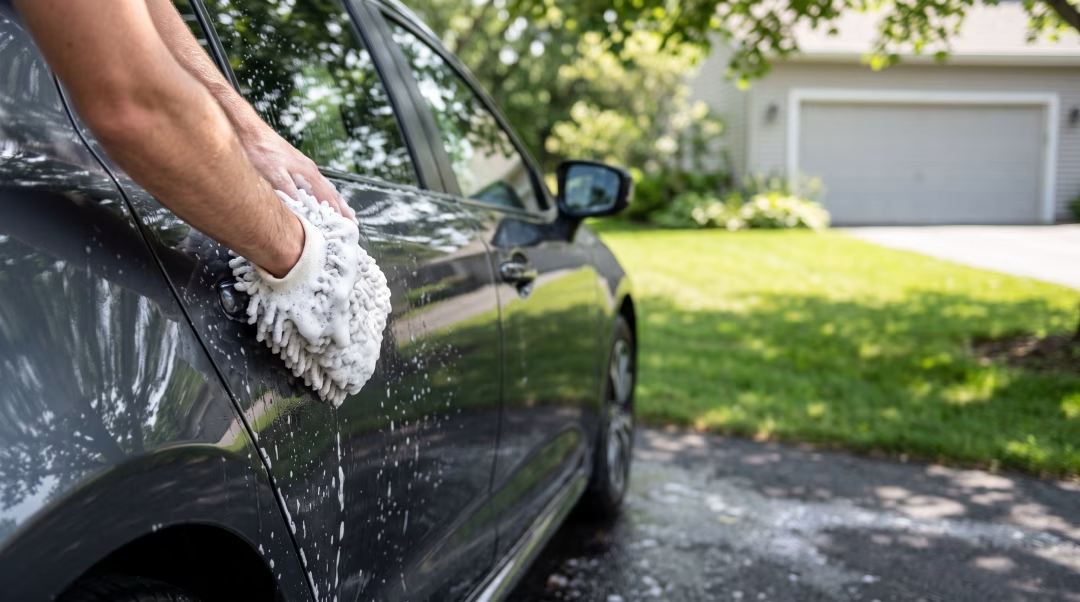
The Science Behind Sun Damage During a Car Wash
Your car's paint is more delicate than you might think. It consists of multiple layers, with the outermost layer being the clear coat. This clear coat is what provides the gloss and protects the colored base coat underneath from UV rays, bird droppings, and minor scratches. When you wash a car in direct sunlight, the surface temperature of the panels can easily exceed 150 degrees Fahrenheit. At this temperature, water evaporates in seconds. The problem is that tap water contains minerals like calcium and magnesium. When the water disappears, these minerals are left behind, creating chalky white spots. If not removed quickly, the heat can bake these mineral deposits onto the surface, causing them to chemically etch into the clear coat. This damage can be difficult and expensive to correct, often requiring professional paint correction services.
Similarly, car wash soaps can wreak havoc on a hot surface. The chemicals and surfactants in the soap are designed to be rinsed away thoroughly. When they dry on the paint, they leave a streaky, hazy film that can be incredibly hard to remove. This soap scum can also interfere with the performance of any existing wax or sealant, diminishing your vehicle's protection. Taking care of your car's exterior is just as important as keeping up with its mechanical needs. A well maintained finish not only looks great but also helps preserve the value of your vehicle, which is important when you decide it is time to value my trade.
Your Essential Hot Weather Washing Toolkit
Before you even turn on the hose, gathering the right supplies is paramount. Having everything within arm's reach prevents delays that could allow soap and water to dry on the car. Here is what you will need for a safe and effective wash:
- Two 5-gallon buckets
- Grit guards for each bucket
- A high-quality, pH-neutral car wash soap
- A soft microfiber or lambswool wash mitt
- A separate wheel brush and wheel-specific cleaner
- Several plush, high-quality microfiber drying towels
- A hose with an adjustable spray nozzle
Grit guards are non negotiable. These simple plastic inserts sit at the bottom of your buckets and create a barrier that traps dirt and grit, preventing your wash mitt from picking it up and grinding it back into your paint. This is one of the most effective ways to prevent swirl marks and fine scratches. Choosing a pH-neutral soap is also vital, as it will clean effectively without stripping away any protective wax or sealant layers you may have previously applied.
The Step-by-Step Guide to a Perfect Summer Wash
With your tools ready and your car in the shade (or it being early morning or late evening), you are ready to begin. The key is to be methodical and never rush the process. Keeping the entire vehicle cool and wet is your primary goal.
Step 1: Wheels and Tires First
Always start with the wheels. They are typically the dirtiest part of your vehicle, covered in brake dust, road grime, and dirt. Cleaning them first prevents you from splashing this heavy contamination onto freshly washed paint panels. Use your dedicated wheel cleaner and brushes for this task. Once they are clean, rinse them thoroughly.
Step 2: The Pre-Rinse
Before any soap touches your car, give the entire vehicle a thorough rinse. Start from the top and work your way down. The goal here is twofold: to knock off as much loose dirt, dust, and debris as possible, and to cool down the surface of the paint. A cooler surface will give you more working time before the water and soap start to evaporate.
Step 3: The Two-Bucket Wash Method
This is the heart of a safe car wash. Fill one bucket with your car wash soap and water solution (the "wash bucket") and the other with plain, clean water (the "rinse bucket"). Place a grit guard in each.
- Dunk your clean wash mitt into the soap bucket to load it with suds.
- Gently wash a small section of the car, such as half of the roof or one door panel. Always work from the top of the car downwards.
- Before reloading the mitt with soap, dunk and agitate it in the rinse bucket. This will release the dirt and grit you just removed from the car, which will sink to the bottom below the grit guard.
- Now, return the clean mitt to the soap bucket and proceed to the next section.
This process prevents cross-contamination and is the single best technique to avoid inflicting swirl marks. As you complete each small section, rinse it immediately with the hose before moving on. Do not let soap dry anywhere on the vehicle. If a section starts to dry, gently re-wet it with the hose.
Step 4: The Final Rinse and Drying
After the entire car has been washed, give it one final, thorough rinse from top to bottom. A good technique is to remove the spray nozzle from your hose and let the water flow freely over the panels. This "sheeting" action encourages the water to run off in larger groups, leaving less behind to dry. The drying process is just as critical as the wash. Never let the car air dry in the sun. Use your plush microfiber drying towels to gently blot the water from the surface. Avoid aggressive rubbing; let the absorbency of the towel do the work. An electric leaf blower or a dedicated car dryer is also an excellent tool for blowing water out of mirrors, grilles, and emblems where it tends to hide and cause drip marks.
Maintaining a Flawless Finish
Learning how to wash your car properly in hot weather is a skill that pays dividends. It protects your investment, keeps your vehicle looking sharp, and prevents costly paint damage. Whether you're driving a brand new car or a well-loved model from our used inventory, proper care is essential. Consistent, safe washing practices are a cornerstone of how to keep an older car running longer and looking great. For more tips or if you have questions, do not hesitate to contact us.
Can I use dish soap to wash my car in an emergency?
It is strongly advised not to use dish soap. Dish soaps are degreasers designed to strip everything off a surface, including the essential waxes and sealants protecting your car's paint. This leaves the paint exposed to UV damage and contamination, and can also dry out plastic and rubber trim pieces.
What are the absolute worst times to wash a car in the summer?
The worst time to wash your car is during peak sun hours, typically between 10 AM and 4 PM. During this window, the sun is at its highest and most intense, which will heat your car's surfaces to their maximum temperature, accelerating evaporation and increasing the risk of water spots and soap residue damage.
How can I remove water spots that have already formed on my paint?
For fresh, light water spots, a quick detailer spray may work. For more stubborn spots that have started to etch, you may need a dedicated water spot remover chemical or a clay bar treatment. In severe cases where the spots are deeply etched into the clear coat, a polishing compound and a machine polisher may be required to level the surface.
Is it safe to take my car to an automatic car wash in hot weather?
It can be risky. Even touchless automatic car washes use strong chemicals that can dry on a hot surface before the rinse cycle begins, potentially causing damage. Car washes with brushes or soft cloths can also grind existing surface dirt into the paint, causing scratches, a problem that is made worse when the surface is hot and the paint is slightly more pliable.
What if I have no access to shade to wash my car?
If shade is not an option, timing is everything. You must wash the car either very early in the morning before the sun gets intense or late in the evening as it's setting. You will need to work in even smaller sections, perhaps just one quarter of a panel at a time, and rinse constantly to ensure no soap or water dries on the surface.
