

Is a Used Wagon a
Smart Alternative to an SUV?
In the search for the perfect family vehicle, many drivers immediately turn to SUVs. Their popularity is undeniable, offering a commanding view of the road and a sense of go-anywhere capability. However, an often-overlooked category presents a compelling case for your consideration: the station wagon. A quality used wagon can offer a smart alternative, blending the cargo capacity and versatility you need with the superior handling and fuel efficiency of a sedan. Before you decide that an SUV is your only option, it is worth exploring what a modern wagon brings to the table. You might discover that the ideal vehicle for your daily drives, weekend trips, and family adventures has been hiding in plain sight. This comparison will help you weigh the practical benefits of both body styles, empowering you to make an informed choice for your next vehicle purchase from our diverse used inventory.
Choosing between a used wagon and an SUV comes down to your personal priorities. If you value a more engaging driving experience, better fuel economy on your commute, and easier maneuverability in tight city spaces, a wagon is an excellent choice. They provide ample space for passengers and gear without the bulkier footprint of a typical sport utility vehicle. By looking beyond the current trends, you can find a vehicle that perfectly balances utility with driving pleasure, often at a great value.
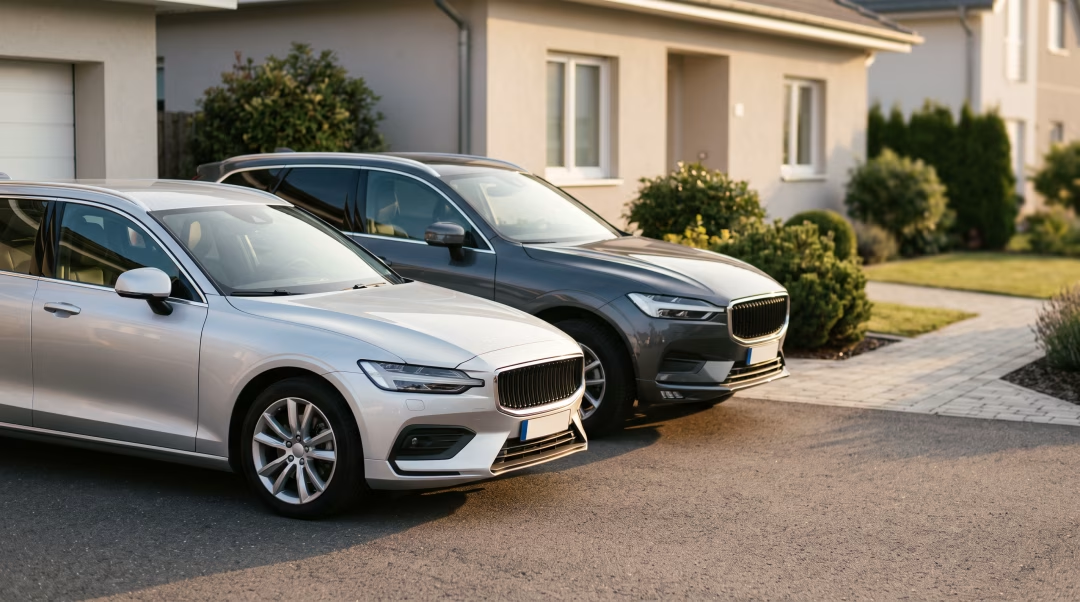
Wagon vs. SUV: A Detailed Comparison for Your Next Used Vehicle
The automotive landscape has been dominated by the sport utility vehicle for years, and for good reason. They offer space, a high seating position, and available all-wheel drive. Yet, the classic station wagon, which once ruled the family-hauler segment, has evolved into a sophisticated and practical option that directly challenges the SUV's reign. For savvy buyers exploring the used market, understanding the fundamental differences between these two capable vehicles is key to finding the perfect fit. It is not just about aesthetics; it is about how the vehicle performs in the real world, from your daily commute to long road trips across Texas.
The Driving Experience: Handling and Performance
The most significant difference you will feel behind the wheel is in the vehicle's dynamics. A wagon is built on a car platform, which means it has a lower center of gravity. This translates directly to a more stable, planted feel on the road, especially when cornering or making sudden maneuvers. It drives less like a truck and more like the sedan it is based on, providing a more connected and engaging experience. For drivers who enjoy the act of driving, a wagon is almost always the more rewarding choice. An SUV, with its taller ride height, provides that sought-after commanding view but can feel more top-heavy in turns and may exhibit more body roll. While modern SUVs have made incredible strides in suspension and handling, they generally cannot defy the laws of physics that favor the wagon's lower profile.
Practicality and Space: Cargo, Passengers, and Usability
When it comes to hauling gear, the lines between wagons and compact or midsize SUVs can be surprisingly blurry. Many wagons offer comparable, or even greater, cargo volume than their crossover counterparts, especially with the rear seats folded down. The key difference is how that space is shaped. An SUV's height provides an advantage for carrying tall, bulky items like furniture. However, a wagon's lower lift-over height at the rear bumper makes loading heavy items like groceries, luggage, or sports equipment significantly easier on your back. For families with pets, a wagon's lower entry point is also a major plus. When considering family needs, it is also useful to compare specific models. While some wagons are spacious five-seaters, families needing a third row will find more options in the best used SUVs with third row seating.
Efficiency and Ownership Costs
In an era of fluctuating gas prices, fuel efficiency is a major factor for many buyers. This is an area where wagons typically have a distinct advantage. Their more aerodynamic, sleeker profile creates less wind resistance than the taller, boxier shape of an SUV. Combined with a generally lighter curb weight, wagons often achieve better miles-per-gallon (MPG) ratings with the same or similar engines. This can add up to significant savings over the life of the vehicle. You can even estimate fuel costs before choosing a used car to see the potential impact on your budget. Additionally, because they often share parts with high-volume sedans, routine maintenance and replacement parts, like tires, can sometimes be less expensive than those for larger SUVs.
Capability and Versatility: AWD, Towing, and Ground Clearance
A common reason buyers choose an SUV is for the perceived benefit of all-wheel drive (AWD) and higher ground clearance, which is useful for navigating rough roads or inclement weather. However, many modern used wagons, such as the Subaru Outback or Audi allroad, come standard with highly capable AWD systems. These systems provide excellent traction in heavy rain or on the rare icy Dallas overpass. For most real-world driving situations, a wagon with AWD is just as capable as a crossover SUV. Where the SUV maintains a clear edge is in ground clearance and towing. If your lifestyle involves regularly traversing unpaved trails or towing a heavy boat to North Texas lakes, a body-on-frame SUV or a larger crossover with a dedicated tow package will be the more appropriate tool for the job. Still, many wagons have modest towing capacities suitable for small utility trailers or jet skis, so always check the specific model's specifications.
Frequently Asked Questions About Wagons and SUVs
Are used wagons as safe as used SUVs?
Yes, modern wagons are built to the same high safety standards as other passenger cars and SUVs. They often include advanced safety features like stability control, multiple airbags, and modern driver-assist systems. Because of their lower center of gravity, wagons have a lower risk of rollover accidents compared to taller SUVs. You can always look up a specific model's safety ratings from the IIHS and NHTSA for detailed information.
Do wagons hold their value better than SUVs?
Value retention depends heavily on the specific make, model, condition, and market demand. While SUVs are currently more popular, certain wagon models with a strong enthusiast following or a reputation for reliability, like the Subaru Outback or Volvo V60, can hold their value exceptionally well. Ultimately, the best way to understand the potential value is to research the specific models you are interested in.
Is it harder to find a used wagon than a used SUV?
While there are certainly more used SUVs available on the market due to their popularity, there is still a healthy selection of used wagons. You may need to be a bit more patient or broaden your search, but quality examples are readily available. Checking our online used inventory frequently is a great way to see what wagons we currently have in stock or have recently acquired.
What are the main advantages of a wagon over a compact SUV?
The primary advantages of a wagon are its superior driving dynamics, better fuel efficiency, and easier loading access. It offers a more car-like driving experience that is often more comfortable and engaging on paved roads. Its lower height and more aerodynamic shape help it cut through the air more efficiently, saving you money at the gas pump.
Can I get financing for a used wagon just like an SUV?
Absolutely. Financing a vehicle is based on its value and your personal credit and financial situation, not its body style. Whether you choose a wagon, SUV, sedan, or truck, our team is here to help you navigate the process. You can even get pre-qualified online to understand your options before you visit.
Making the Smart Choice for Your Needs
Ultimately, the decision between a used wagon and a used SUV is a personal one. The best way to make the right choice is to think critically about your daily needs and driving habits. Consider these points:
- Your Commute: If you have a long highway commute, the superior fuel economy and comfort of a wagon could be a significant benefit.
- Your Cargo: Do you frequently haul tall, bulky items, or mostly luggage, groceries, and sports gear? A wagon's low load floor is a practical advantage for daily use.
- Your Driving Style: If you appreciate nimble handling and a more connected feel with the road, a wagon will likely put a bigger smile on your face.
- Your Adventures: Do your weekends involve serious off-roading, or are they more about reaching a trailhead or campsite via well-maintained gravel roads? An AWD wagon can handle more than most people think.
We invite you to explore both options. The best way to know for sure is to get behind the wheel. We encourage you to schedule a test drive of both a crossover SUV and a station wagon from our inventory. Feeling the difference for yourself is the final step in discovering which vehicle is the truly smart alternative for you. If you have an existing vehicle, you can also get an initial estimate on its worth by using our value my trade tool to help with your budget planning.
