

Should You Report a Small
Accident to Your Insurance Company?
That sinking feeling after a minor fender bender in a parking lot or a slow-speed tap in traffic is often followed by a moment of uncertainty. Do you call your insurance agent, or do you handle it directly with the other driver? The decision of whether you should report a small accident to your insurance company is more complex than it seems. On one hand, you pay for insurance to cover these very situations. On the other hand, you worry about your premiums increasing or having an incident on your record. This choice involves weighing the potential financial risks of paying out of pocket against the long-term consequences of filing a claim. Understanding the key factors at play, from the extent of the damage to your legal obligations, is crucial for making an informed decision that protects your financial well being and gives you peace of mind moving forward.
Navigating the aftermath of a minor collision requires careful thought. A seemingly small amount of damage can sometimes hide more significant, costly issues underneath the surface. Furthermore, any accident, reported or not, can potentially impact your vehicle's future value. When you decide to value my trade, a clean vehicle history report can make a significant difference. Considering these variables will help you choose the best course of action for your specific circumstances, protecting both your driving record and your automotive investment.
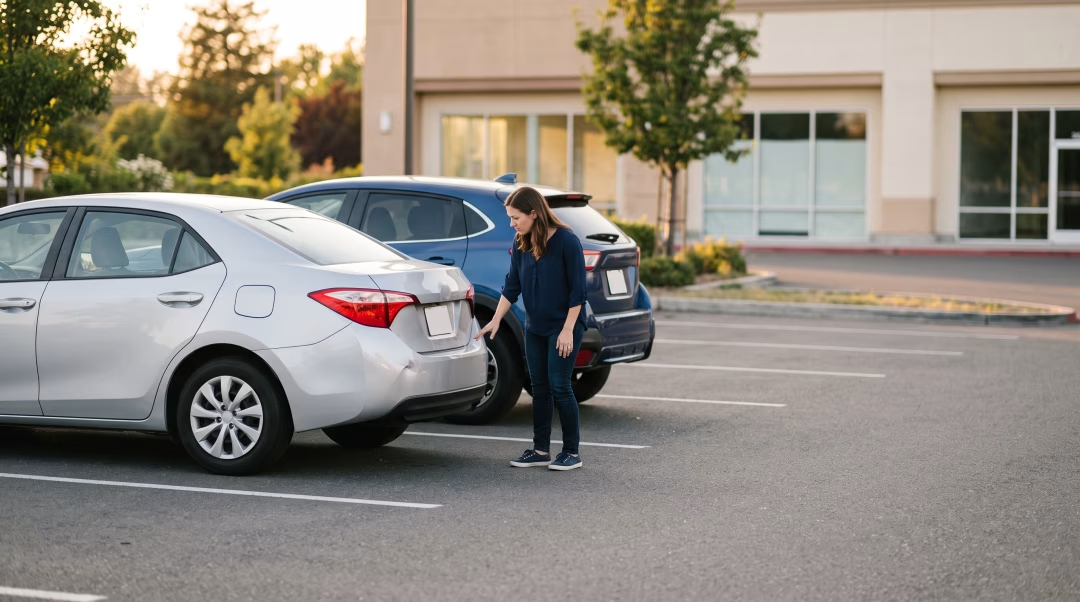
Making the Right Call: A Detailed Look at Reporting Minor Accidents
Every driver hopes to avoid accidents, but minor incidents are an unfortunate reality of being on the road. When a small collision occurs, the immediate decision about involving your insurance provider can have lasting financial implications. There isn't a single "right" answer for every situation, but by carefully evaluating the circumstances, you can make a choice that aligns with your best interests. This guide will explore the pros, cons, and critical considerations to help you navigate this common dilemma.
The Case for Reporting the Accident
At its core, car insurance is a service you pay for to provide financial protection in case of an accident. Using it for its intended purpose is often the most prudent path. Reporting even a minor incident creates an official record and engages the professionals who handle these situations daily. Here are the primary reasons to contact your insurer.
- Protection from Future Liability: This is arguably the most important reason to report an accident. Even if the other driver seems amicable at the scene and agrees to a private settlement, they could change their mind later. They might discover their neck hurts a day later or a mechanic might find more extensive damage than was initially visible. If you have no official report, it becomes your word against theirs. Reporting the incident to your insurance company establishes a formal record, protecting you from exaggerated claims or lawsuits that could appear weeks or months down the line.
- Unseen or Hidden Damage: Modern cars are designed with complex bumper systems, sensors, and crumple zones. A small dent or scratch on a plastic bumper cover could be hiding significant damage to the underlying structure, reinforcement bar, or parking sensors. What looks like a few hundred dollars in cosmetic repairs could easily turn into a multi-thousand dollar bill. Your insurance adjuster is trained to identify this type of hidden damage, ensuring your vehicle is repaired correctly and safely.
- Fulfilling Contractual and Legal Obligations: Your insurance policy is a contract, and it almost certainly includes a clause requiring you to report all accidents in a timely manner. Failing to do so could, in some cases, give the insurer grounds to deny your claim if you need to file it later. Additionally, many states have laws that require you to report any accident that results in injury (no matter how minor) or property damage exceeding a certain threshold, which can be as low as $1,000.
The Argument for Handling it Privately
Despite the strong reasons for reporting, many drivers choose to handle very minor incidents without involving insurance. The primary motivation is almost always financial, centered on avoiding a potential rate increase. If you are considering this route, it should only be for the most trivial of circumstances.
- Avoiding Premium Increases: The most common reason people hesitate to file a claim is the fear of their insurance rates going up. An at-fault accident on your record is likely to cause your premiums to rise at your next renewal, an increase that could last for several years. If the total cost of repair is less than or close to your deductible, or perhaps only slightly more, paying out of pocket could be cheaper in the long run than paying higher premiums for the next three to five years.
- Maintaining a Clean Claims Record: Some insurance companies offer a claims-free discount. Filing a claim for a minor incident would cause you to lose that discount. For a very small repair bill, the value of that discount over the next few years might be greater than the cost of the repair itself.
- Simplicity and Speed: If the damage is truly minimal (like a small scratch) and only involves your own vehicle, paying a body shop directly can be faster and simpler than the formal claims process. You avoid the paperwork, phone calls, and waiting for an adjuster.
Key Factors to Weigh in Your Decision
When you find yourself standing on the side of the road or in a parking lot, run through this mental checklist before agreeing to handle things privately.
1. Who Was at Fault? If you are clearly not at fault, you should be more inclined to report the accident. The other driver's insurance should cover the damages, and your rates are less likely to be affected. If fault is unclear or you are at fault, the financial calculation of handling it privately becomes more relevant.
2. How Much Damage Is There? Be realistic. A tiny paint scuff is one thing. A cracked headlight, a dented quarter panel, or a misaligned bumper are another. Always get a professional estimate before agreeing to any cash settlement. If you are dealing with anything more than a superficial scratch, it is generally wiser to report it.
3. Were There Any Injuries? If anyone, in any vehicle, complains of any pain or discomfort, you should report the accident immediately. Medical issues can be unpredictable and costly. This is not a situation to handle without the involvement of insurance companies.
4. What is the Other Driver Like? Do you trust the other person? If they seem agitated, evasive, or confrontational, it is best to let the insurance companies communicate. If you do agree to a private settlement, get everything in writing, including a release of liability that states the payment you are making covers all damages from the incident and that they will not pursue any further claims.
How Accidents Impact Vehicle Value and Financing
An important long-term consideration is the impact on your vehicle's history report. When an insurance claim is filed, it often gets reported to services like CarFax and AutoCheck. This places an accident on the vehicle's permanent record. When you go to sell or trade in the car, this record can lower its value. Buyers, including dealerships, are often wary of vehicles with accident histories. You may want to explore more about whether you should you avoid used car with prior accident to understand a buyer's perspective. Even a minor reported incident can lead to a lower offer. This is a hidden cost of filing a claim that many people forget.
Furthermore, if you have a loan on your vehicle, your financing agreement likely requires you to maintain the vehicle in good condition and may even stipulate that all accidents must be reported. This protects the lender's asset. It is a good idea to review your loan documents or consult our our financing area page for general information on automotive loan responsibilities.
Will my insurance rates always go up if I report a small accident?
Not necessarily. Many insurance companies offer "accident forgiveness" for a first minor claim, especially for long-term customers with a good driving record. Additionally, if you are not at fault, your rates are less likely to increase. However, an at-fault accident will typically lead to a premium increase upon renewal.
What if the other driver and I agree not to report it, but they change their mind?
This is a major risk of handling an accident privately. If the other driver reports the incident to their insurer days or weeks later, their insurance company will contact you and your insurer. At this point, it is crucial to contact your own insurance company immediately to give your side of the story. Failing to report it initially could complicate your claim.
Is it illegal not to report a car accident in Texas?
In Texas, you are legally required to report an accident to law enforcement if it results in any injury or death, or if there is apparent property damage of $1,000 or more. Since it can be difficult to estimate damage at the scene, reporting is often the safest legal choice.
How does a minor accident on a vehicle history report affect its value?
A reported accident can diminish a vehicle's resale value, a concept known as "diminished value." Even if repairs are done perfectly, many buyers will pay less for a car with an accident history compared to an identical one with a clean record. The impact varies based on the severity of the damage, but it is a real financial consequence of filing a claim.
If I pay for the other person's damages out of pocket, what proof should I get?
If you choose to pay out of pocket, it is absolutely essential to get the other party to sign a release of liability form. This document should state the amount paid and that it constitutes a full and final settlement for all property damage and potential injuries from the specific incident. Without this signed release, you leave yourself open to future claims.
