

What Does The Check
Engine Light Usually Mean?
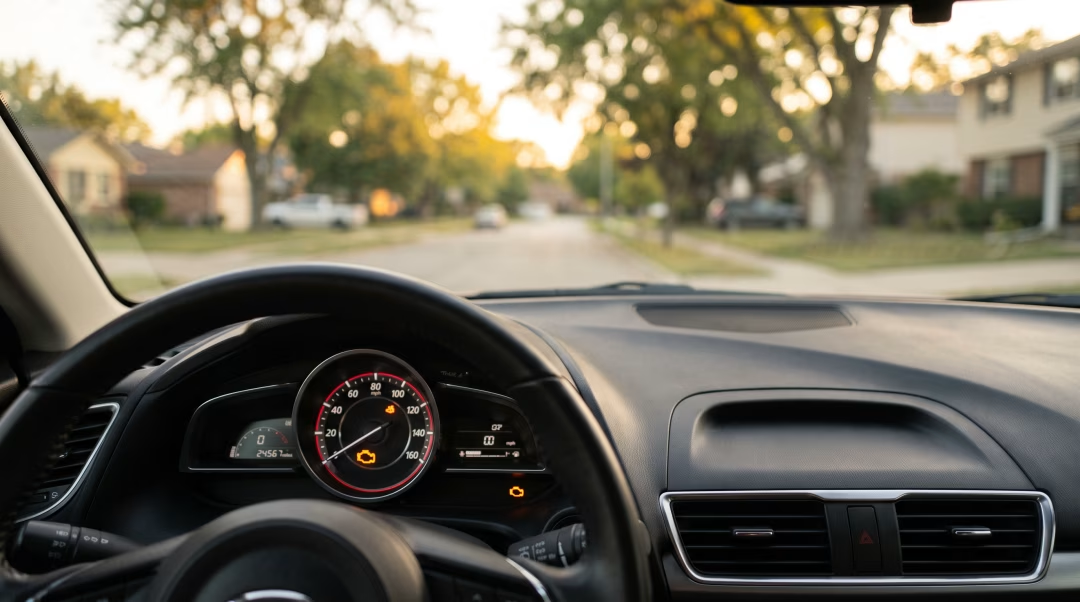
That small, amber-colored engine symbol glowing on your dashboard can cause instant anxiety. The check engine light, officially known as the Malfunction Indicator Lamp (MIL), is a key part of your vehicle's On-Board Diagnostics (OBD-II) system. When it illuminates, it means the car's computer has detected a problem in one of the many systems it monitors. The issue could be as simple as a loose gas cap or as serious as a failing catalytic converter. While it is easy to panic, this light is your car's way of communicating that something needs attention. Understanding the potential causes is the first step toward a solution, helping you decide whether you need to pull over immediately or if you can safely drive to have it diagnosed. Ignoring it, however, is never the right answer, as a small problem can quickly become a major, expensive repair if left unaddressed.
Seeing the check engine light is a clear signal to take action. The most important first step is to notice how your car is behaving. Is it running smoothly, or do you feel a loss of power or hear strange noises? You also need to determine if the light is solid or flashing. A solid light typically indicates a less urgent issue, while a flashing light signals a severe problem that requires immediate attention. In either case, getting the diagnostic trouble codes read is essential to understanding the root cause and preventing further damage to your vehicle.
Decoding the Check Engine Light: Solid vs. Flashing
Not all check engine light warnings are created equal. The way the light behaves—either staying on steadily or blinking—is a critical piece of information that tells you about the severity of the problem. Your response should be different for each scenario.
A solid, or steady, check engine light is the most common type of warning. It means the vehicle's computer has detected a fault in an emissions, ignition, or fuel system component. While it is not usually an emergency, you should not ignore it. The problem could be affecting your fuel economy and increasing your vehicle's emissions. In most cases, it is safe to continue driving, but you should plan to have the vehicle inspected by a qualified technician as soon as reasonably possible. A solid light can be triggered by dozens of different issues, from minor to moderate in severity.
A flashing or blinking check engine light indicates a much more serious problem. This almost always signals a significant engine misfire. A misfire occurs when one or more of the engine's cylinders fails to ignite the fuel-air mixture correctly. This raw, unburned fuel can then get dumped into the exhaust system, where it can rapidly overheat and destroy the catalytic converter—a very expensive and critical emissions component. If you see a flashing check engine light, you should reduce your speed, avoid heavy acceleration, and pull over and turn off the engine as soon as it is safe to do so. Driving with a flashing check engine light can cause irreversible engine damage.
Common Reasons Your Check Engine Light Is On
Your car's computer system is incredibly complex, monitoring dozens of sensors and components. When a reading falls outside its normal operating range, it triggers the check engine light and stores a Diagnostic Trouble Code (DTC). While only a proper scan can reveal the code, many common issues tend to be the culprit. Here are some of the most frequent reasons your light might be on:
- Loose or Faulty Gas Cap: This is one of the simplest and most common causes. The gas cap is a crucial part of the evaporative emission control (EVAP) system, which prevents gasoline vapors from escaping into the atmosphere. A loose, damaged, or missing cap breaks this seal, triggering the light.
- Failing Oxygen (O2) Sensor: An O2 sensor measures the amount of unburned oxygen in your exhaust system. The car's computer uses this data to regulate the fuel mixture for optimal efficiency. When it fails, the computer gets inaccurate data, often leading to decreased fuel economy and increased emissions.
- Worn Spark Plugs or Ignition Coils: Spark plugs ignite the fuel and air in the combustion chamber. The ignition coils provide the high-voltage electricity for the plugs to fire. If either of these components wears out, it can cause an engine misfire, which reduces power, hurts gas mileage, and can damage other components if ignored.
- Bad Mass Airflow (MAF) Sensor: The MAF sensor tells the car's computer how much air is entering the engine. This information is vital for determining how much fuel to inject. A dirty or failing MAF sensor can cause a car to stall, hesitate, or run rough, and will almost certainly trigger the check engine light.
- Failing Catalytic Converter: This is one of the more serious and costly repairs. The catalytic converter turns toxic carbon monoxide into less harmful emissions. It usually only fails when another problem, like a bad O2 sensor or worn spark plugs, has been neglected. Symptoms include a rotten egg smell from the exhaust, reduced power, and poor acceleration.
What to Do When the Light Appears
When that light comes on, follow a few simple steps to assess the situation. First, check your gas cap. Pull over, unscrew it, and then screw it back on until you hear it click at least once. Sometimes this simple fix is all that is needed, though it may take a few driving cycles for the light to turn off. Next, pay close attention to how your vehicle is performing. Note any changes in power, rough idling, strange noises, or odd smells. This information will be helpful for a technician. Most importantly, identify if the light is solid or flashing. As mentioned, a flashing light is an emergency that requires you to stop driving immediately to prevent severe damage.
The next step is to have the trouble codes read. An OBD-II code reader can be plugged into a port under your dashboard to retrieve the specific code that triggered the light. While many auto parts stores provide this service, the code itself is not a complete diagnosis. For example, a code might indicate an oxygen sensor failure, but the root cause could be a wiring issue or an exhaust leak affecting the sensor's reading. That's why a professional diagnosis is so important. For a thorough inspection, you can always contact us to schedule a diagnostic appointment.
Trading In a Car with an Active Check Engine Light
Many drivers worry they cannot sell or trade in a vehicle if the check engine light is on. The good news is that you absolutely can. At our dealership, we evaluate vehicles in all conditions. When you bring in a car with the light on, our experienced appraisers will diagnose the issue and factor the potential cost of repairs into your trade-in offer. This is often a more straightforward approach than trying to fix a complex problem yourself before selling. Being transparent about the light allows for a fair and efficient appraisal process. If you are curious about what your vehicle might be worth, even with a warning light on, you can start the process online with our value my trade tool. For more details on this topic, check out our page on whether you can trade in a car with the check engine light on.
Is it safe to drive with the check engine light on?
If the light is solid and the car is driving normally, it is generally safe to drive for a short period to get it diagnosed. However, if the light is flashing or you notice serious performance issues like loss of power, overheating, or strange noises, you should pull over immediately and have the vehicle towed to avoid causing severe and expensive damage.
Will the check engine light go off by itself?
Sometimes, it can. If the issue was temporary, such as a loose gas cap that has since been tightened or a one-time sensor misreading due to unusual conditions, the light may turn off after several driving cycles. However, if the underlying problem persists, the light will remain on until the issue is repaired and the code is cleared.
How much does it cost to diagnose a check engine light?
The cost for a diagnostic service can vary. Many auto repair shops and dealerships charge a flat fee, which typically covers the time it takes for a technician to read the codes and perform an initial inspection to pinpoint the source of the problem. This fee is for diagnosis only and does not include the cost of the actual repair.
What is the difference between the check engine light and a maintenance light?
A check engine light indicates that the onboard computer has detected a fault in one of the vehicle's systems. A maintenance required light (which might say "Maint Reqd" or show a wrench symbol) is simply a pre-programmed reminder for routine service, such as an oil change. It is not an indicator of a problem with the vehicle.
Can I pass a state emissions inspection with the check engine light on?
In Texas and most other states that require emissions testing, a vehicle will not pass the inspection if the check engine light is illuminated. The light indicates an emissions-related fault, which is precisely what the test is designed to detect. The issue must be repaired and the light turned off before the vehicle can pass.
