

What Is a Starter Interrupt
Device on a Financed Car?
When you are exploring financing options for a used vehicle, especially through programs designed for individuals with challenging credit histories, you might encounter the term "starter interrupt device" or SID. This is a small electronic unit that some lenders, including buy here pay here dealerships, may install in a financed vehicle. Its sole purpose is to prevent the car's engine from starting. It is a form of payment assurance technology used to secure the loan. If a payment is missed and goes beyond the agreed-upon grace period, the lender can remotely activate the device, disabling the starter. This technology is a tool for managing the higher risk associated with certain loans. Understanding how these devices work, the associated disclosures in your contract, and the communication process with your lender is a key part of being a well-informed car buyer on your journey to reliable transportation.
It is important to remember that a starter interrupt device is not meant to be a surprise. Its presence and function must be clearly disclosed in your financing agreement. Most lenders view activating the device as a final step after other attempts to communicate about a past-due payment have been unsuccessful. Proactive communication is your most powerful tool. If you anticipate having trouble making a payment, it is always best to contact your lender before the due date to discuss your options.
A Deeper Dive into Starter Interrupt Devices
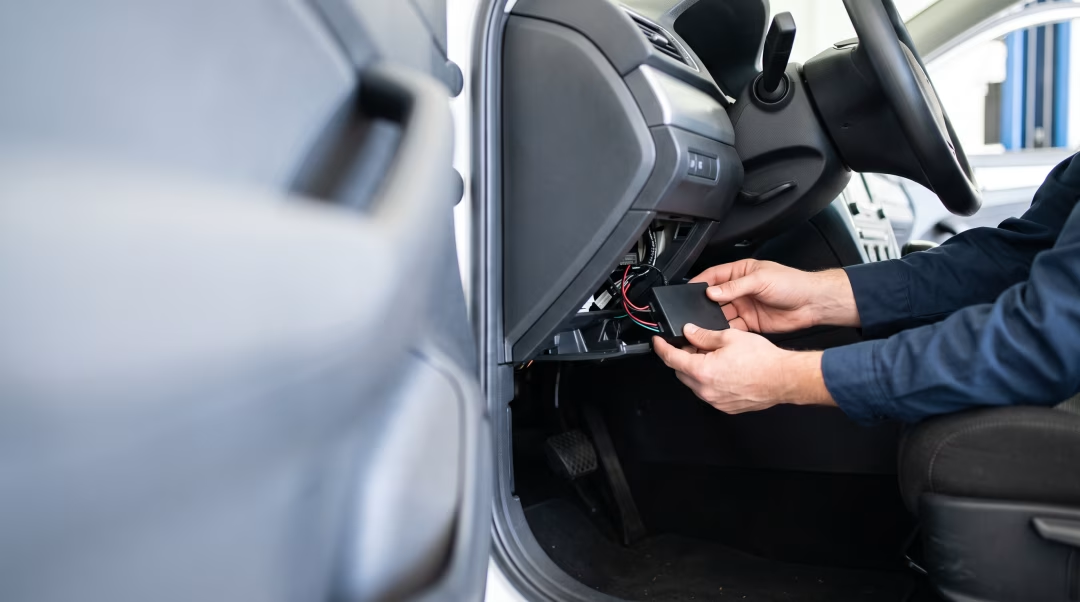
Understanding the technology behind vehicle financing can feel overwhelming, but knowledge is power. A starter interrupt device (SID), sometimes called a payment assurance device, is a straightforward piece of technology with a very specific function. It is a small module that a technician wires into your vehicle's starter circuit, typically under the dashboard. It does not interfere with the car's performance or normal operation. The device is connected to a remote network, similar to a cell phone, allowing the finance company to send signals to it. When activated, the device creates an open in the starter circuit. This means that when you turn the key or press the start button, the electrical signal cannot reach the starter motor, and the engine will not crank. A crucial safety feature of these devices is that they cannot and will not shut the vehicle off while it is already running or in motion. Their only function is to prevent the car from starting in the first place.
Why Do Some Lenders Use These Devices?
The use of starter interrupt devices is directly related to risk management for the lender. At dealerships that offer in-house financing, the dealership itself is acting as the bank. They are extending credit to buyers who may have been turned down by traditional banks or credit unions due to past credit issues, a low credit score, or a lack of credit history. Because this represents a higher financial risk, lenders use tools to protect their asset—the vehicle—until the loan is paid in full. The SID serves as a powerful incentive for making timely payments. It is an alternative to more immediate and costly collection efforts. It is important to distinguish this from other technologies, like GPS trackers. While some lenders use GPS devices to locate a vehicle in case of loan default and repossession, a starter interrupt device's function is purely to disable the vehicle's starting capability.
The Process: Warnings, Activation, and Reactivation
The process involving an SID is designed to be transparent, with multiple steps before the vehicle is disabled. Here is what you can typically expect:
- Payment Reminders: Many devices are programmed to provide a gentle reminder a few days before your payment is due. This often comes in the form of a quiet, intermittent beeping sound or a small flashing LED light inside the car. This is simply a courtesy reminder, not a warning of imminent deactivation.
- Grace Period: If you miss your payment due date, your loan almost always includes a payment grace period. This is a set number of days after the due date during which you can make the payment without penalty or action from the lender. The SID will not be activated during this time.
- Communication Attempts: Once the grace period expires, a reputable lender will typically make several attempts to contact you by phone, text, or email to resolve the past-due account. Activation of the SID is usually a last resort when payments are not made and communication has broken down.
- Reactivation: Once the device is activated, getting your car started again is usually a simple process. You will need to contact the lender and make the required payment, which may include any applicable late fees. After the payment is processed, the lender sends a remote signal to the device to re-enable the starter, and your vehicle will function normally again.
Your Rights and Responsibilities in Texas
In the state of Texas, the use of starter interrupt devices is legal, but it is regulated to protect consumers. The most important protection is the requirement of full disclosure. The presence of the device, how it works, and the circumstances under which it will be used must be clearly stated in your retail installment contract. It is your responsibility to read this contract thoroughly before you sign it. If you have questions, do not hesitate to ask. Reputable dealers want you to be fully informed. Understanding your contract is the best way to prevent future misunderstandings. Your rights also include receiving proper notice as outlined in your agreement. This is why it is so important to ask the right questions before you sign any paperwork. Knowing the exact procedures the lender follows gives you a clear roadmap and helps you stay in control of your financial agreement and your vehicle.
Can a starter interrupt device shut my car off while I am driving?
No, absolutely not. For safety reasons, these devices are designed only to prevent a car from starting. They cannot interfere with a vehicle that is already running or in motion. The device only affects the electrical circuit that engages the starter motor.
Is it legal for a dealer to use a starter interrupt device in Texas?
Yes, the use of these devices is legal in Texas, provided that their presence and function are fully and clearly disclosed to you in writing within your financing contract before you purchase the vehicle. You must agree to its installation as part of the terms of your loan.
How do I get my car started again if the device has been activated?
To reactivate your vehicle, you must contact your lender to make the past-due payment, along with any accrued late fees as specified in your agreement. Once the payment is successfully processed, the lender will send a remote signal to the device to re-enable the starter circuit.
Does a starter interrupt device damage my car's electrical system?
When installed correctly by a qualified technician, a starter interrupt device should not cause any damage to your vehicle's electrical system. It is designed to integrate with the existing starter wiring in a non-invasive way and is a common technology used across the industry.
Are starter interrupt devices the same as GPS trackers?
No, they serve different functions, though some units may combine both technologies. A starter interrupt device prevents the car from starting. A GPS tracker is used to identify the physical location of the vehicle. Your contract must disclose which technologies, if any, are installed on your vehicle.
While the idea of a starter interrupt device can seem intimidating, it is ultimately just one of the tools that enables lenders to provide financing opportunities to a broader range of customers. By understanding how it works, reading your contract, and maintaining open communication with your finance company, you can ensure a smooth and successful ownership experience. The goal is to get you into a reliable vehicle from our used inventory and keep you on the road. If you ever have questions about your financing terms, we encourage you to contact us directly.
