

What Lowers Your
Car's Trade-In Value Most?
When you are preparing to purchase your next vehicle, your current car is one of your most valuable assets. Maximizing its trade-in value can significantly lower your monthly payments and reduce the total amount you finance. However, many drivers are surprised by the appraisal offers they receive. Understanding what lowers your trade-in value most is the key to setting realistic expectations and preparing your car to get the best possible offer. Several key factors, from obvious mechanical problems to subtle cosmetic issues, can dramatically impact the final number. A dealership must consider the costs required to inspect, repair, and recondition a vehicle before it can be placed on the lot for sale. By learning what appraisers look for, you can approach the trade-in process as an informed and confident consumer. Getting an estimate of what your vehicle is worth is a great first step, which you can begin online with our trade evaluation tool.
While every vehicle has a unique history, the appraisal process is a consistent evaluation of its current condition, history, and market demand. Appraisers methodically check a vehicle from bumper to bumper, inside and out, to assess its resale potential. Factors that are expensive or difficult to fix will have the largest negative impact on your offer. Below, we will break down the most significant items that reduce a car's value, helping you understand how a dealership sees your vehicle and what you can do to present it in the best possible light.
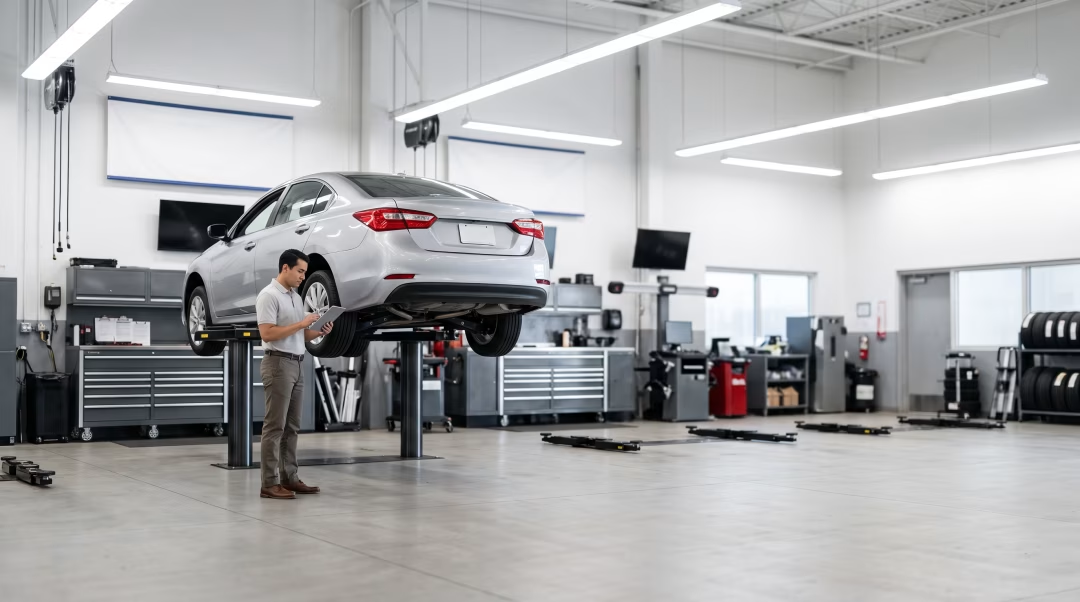
A Deep Dive into Factors That Reduce Your Trade-In Value
A vehicle's trade-in value is not an arbitrary number. It is a carefully calculated figure based on several data points, including current market conditions, auction data, and most importantly, the specific condition of your car. A dealership appraiser has to determine how much money they will need to invest in your vehicle to make it safe, reliable, and appealing to the next owner. This "cost of reconditioning" is the primary reason for deductions from the car's market value. Here are the issues that have the most significant impact on a trade-in offer.
Major Mechanical and Structural Issues
These are the most serious and costly problems, and they will result in the largest deductions from your trade-in value. They often represent significant expenses for the dealership and can make a car difficult or impossible to resell.
- Engine and Transmission Problems: Issues with a car's powertrain are the ultimate red flag. Knocking sounds from the engine, slipping gears, or difficulty starting are all signs of expensive repairs. A dealership may have to spend thousands on a new engine or transmission, which will be directly reflected in a very low offer.
- Frame or Structural Damage: If a vehicle has been in a severe accident, it may have damage to its underlying frame. Even if repaired, this can compromise the vehicle's safety and structural integrity. Appraisers are trained to spot signs of frame damage, such as misaligned body panels or uneven welds, and it will drastically lower the value.
- Branded Titles: A title that is branded as "Salvage," "Rebuilt," or "Flood" is a major deterrent. A salvage title means an insurance company declared the car a total loss. While it can be repaired and given a "Rebuilt" title, many buyers are wary of these vehicles. This severely limits the car's resale market and, therefore, its trade-in value. If you are wondering can you trade in a car with a salvage title in Texas, the answer is often yes, but the offer will be very low.
Cosmetic Condition and Wear and Tear
While not as severe as a major mechanical failure, the overall appearance of your car plays a huge role in its perceived value. The more work the detail and body shop has to do, the less you will be offered.
- Poor Interior Condition: The inside of the car is where the next owner will spend all their time. Heavy stains on the seats or carpet, tears in the upholstery, cracks in the dashboard, or broken buttons all contribute to a lower value. One of the biggest offenders is odor. Lingering smells from cigarette smoke or pets can be very difficult and expensive to remove, requiring deep cleaning and sometimes replacement of fabric, which significantly reduces the offer.
- Exterior Damage: Dents, dings, deep scratches, and peeling paint all require bodywork. Rust is an even bigger concern, especially if it is on the frame or suspension components. The cost to repair and repaint panels can add up quickly for the dealership. Even widespread hail damage can lead to a substantial deduction.
- Warning Lights: A glowing "Check Engine" light is a mystery box of potential expenses. It could be a simple, inexpensive fix or a sign of a major engine or emissions system failure. A dealer must assume the worst-case scenario when making an offer, as they will have to pay a technician to diagnose and repair the issue. Learn more about if you can trade in a car with the check engine light on.
- Worn Tires and Brakes: These are significant safety and maintenance items. If the tires are bald, mismatched, or dry-rotted, the dealership knows it will need to install a new set, which costs hundreds of dollars. Similarly, if the brakes are squealing or grinding, a brake job will be necessary. This predictable expense is passed on to you through a lower trade-in offer.
Vehicle History and Other Factors
A car's past can have a lasting effect on its present value. These items might not be visible at a glance, but they are crucial parts of the appraisal process.
- High Mileage: Miles represent wear and tear on every component of a car. A vehicle with mileage that is significantly higher than average for its age is presumed to be closer to needing major repairs. While a well-maintained high-mileage car can still be reliable, its value in the open market is lower.
- Accident History: Even a minor accident reported on a vehicle history report can lower its value. Buyers are often hesitant to purchase a car that has been in an accident, even if it was professionally repaired. Severity is key, but any accident history can reduce the offer. We can help you understand how to read a vehicle history report to see what a dealer sees.
- Unpopular Aftermarket Modifications: While you may love your loud exhaust, custom wheels, or dark window tint, these modifications can narrow the car's appeal to the general public. A dealer may have to spend money to return the car to its stock condition to make it easier to sell, and that cost is deducted from your offer.
- Lack of Maintenance Records: Being able to prove your car was serviced regularly adds value. Without records of oil changes, tire rotations, and other routine maintenance, an appraiser has to assume it was not well-cared for. This increases the perceived risk for the dealership and the next buyer.
In the end, presenting a clean, well-maintained vehicle with complete records is the best way to get a strong offer. While you cannot change a car's history or mileage, controlling the factors you can, like cleanliness, makes a positive impression. For a look at our current selection, you can browse our used inventory online.
Should I fix my car before trading it in?
It depends on the repair. For minor fixes like replacing a burned-out bulb or touching up a small scratch, it may be worthwhile. For major mechanical repairs, a dealership can often perform the work for less cost than you would pay a retail repair shop. You may not recoup the full cost of a major repair in a higher trade-in offer, so it is often better to let the dealer handle it.
How much does a previous accident lower trade-in value?
The impact varies greatly depending on the severity of the accident and the quality of the repairs. A minor fender bender with professional repairs will have a much smaller effect on value than an accident that resulted in frame damage, airbag deployment, or a branded title. Consistency in body panel gaps and paint texture are things an appraiser will look for.
Does a car's color really affect its trade-in value?
Yes, but usually not by a large amount. Neutral colors such as white, black, silver, and gray are consistently popular and are easier for a dealership to resell quickly. Extremely bright or unusual custom colors can sometimes narrow the pool of interested buyers, which may slightly lower the initial offer.
Can I trade in a car that does not run?
Yes, many dealerships will accept non-running vehicles as trade-ins. The value will be significantly lower than a running car, of course. The offer will be based on its potential for repair, its value for individual parts, or its scrap metal price, minus any costs for towing. You can learn more about if you can trade in a car that does not run on our blog.
Do strong odors like smoke or pets hurt the trade-in offer?
Absolutely. Pervasive odors, especially from cigarette smoke, can deeply penetrate a car's upholstery, headliner, carpets, and ventilation system. Removing these smells requires intensive and costly professional detailing. In severe cases, interior components may need to be replaced entirely, and this significant expense will be factored directly into your trade-in offer.
- All Inventory
- Cars
- Trucks
- Vans
- Crossovers
- SUVs
- Inventory
- Contact Us
- Sitemap
- Bios
- Sold Inventory
- Value My Trade
- Refer Friend
- Research Page Template
- Pre-Qualification
- Full Application
- Financing Area
- What Is BHPH?
- Financing FAQs
- Get Pre-Qualified
- Refer a Friend
- Sell Your Auto
- Book Test-Drive
- Testimonials
- Write a Review
- Privacy Policy
- Terms of Use
- Blog
