

What to Do If Your
Car Breaks Down on the Highway
The sudden shudder, the loss of power, the sinking feeling in your stomach—a vehicle breakdown is stressful anywhere, but on a busy highway, it can be downright frightening. With traffic rushing past at high speeds, your priority immediately shifts from reaching your destination to ensuring your safety and the safety of others. Knowing the right steps to take in these crucial first moments can make all the difference. This guide is designed to walk you through exactly what to do if your car breaks down on the highway, from the instant you notice a problem to the moment help arrives. Staying calm and following a clear plan can help you manage the situation effectively and prevent a bad day from becoming much worse. Remember, the vehicle is replaceable, but you are not. Prioritize safety above all else, and you can navigate this unexpected challenge with confidence and control.
Once the immediate danger has passed and your vehicle is safely off the road, the questions begin to mount. How much will the repair cost? Can I trust this car on another long trip? An unexpected breakdown is often the moment a driver realizes it is time for a more dependable vehicle. The peace of mind that comes with a reliable car, especially for highway commuting, is invaluable. If frequent repairs and the constant worry of another breakdown are weighing on you, it might be time to explore your options.
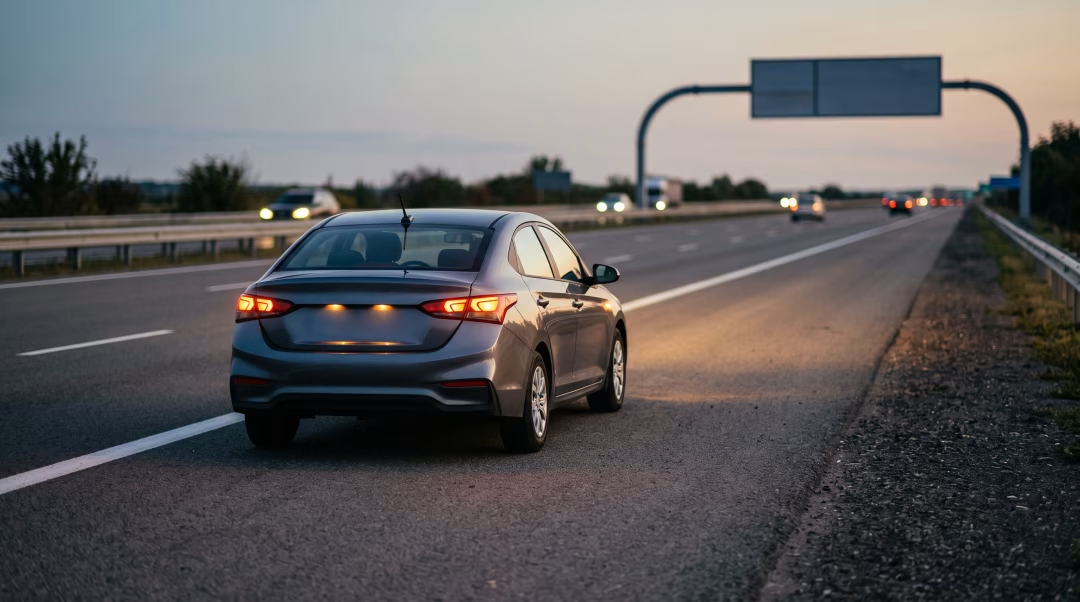
Your Step-by-Step Highway Breakdown Safety Plan
A highway breakdown can happen to anyone at any time, regardless of how well-maintained their vehicle is. A flat tire, an overheating engine, or an unexpected mechanical failure can leave you stranded. The key is not to panic. By following these steps, you can handle the situation safely and efficiently.
Step 1: Get Your Vehicle to Safety
The very first thing to do when you feel your car failing is to signal and move to the side of the road. Your goal is to get as far onto the right shoulder as possible, away from active traffic lanes.
- Turn on your emergency flashers (hazard lights) immediately. This is the universal signal for distress and warns other drivers that you are experiencing a problem.
- If you have momentum, use it to coast to the right shoulder. Avoid braking suddenly unless absolutely necessary, as this can be dangerous for drivers behind you.
- Once on the shoulder, turn your steering wheel away from the road. This ensures that if your vehicle is struck from behind, it will roll further away from traffic rather than back into it.
- Engage the parking brake to ensure your car stays put, especially if you are on an incline.
Step 2: Assess the Situation and Stay Secure
Once you are stopped, your next priority is to assess your surroundings and decide on the safest course of action. In most highway breakdown scenarios, the safest place to be is inside your vehicle with your seatbelt on. Exiting your vehicle puts you at significant risk from passing traffic, which is often moving much faster than you perceive.
If you must exit the vehicle—for example, if you see or smell smoke—do so from the passenger side, away from the flow of traffic. Move a safe distance from the car and the road, preferably behind a guardrail if one is present. Never stand directly in front of or behind your vehicle. If you have passengers, especially children, direct them to a safe location away from the highway as well.
Step 3: Make Yourself Visible
Your hazard lights are the first step, but you should take additional measures to make your disabled vehicle as visible as possible, especially at night or in poor weather conditions. If you have an emergency kit, now is the time to use it. Place reflective triangles or flares 100-200 feet behind your vehicle to give other drivers ample warning. Tying a brightly colored cloth to your antenna or hanging it from the driver-side window can also increase visibility during the day. If it is safe to do so, popping the hood is another common signal to other drivers and law enforcement that you need assistance.
Step 4: Call for Professional Help
With your vehicle secured and visible, it is time to call for help. Do not attempt to fix the car yourself on the side of a busy highway. Even a seemingly simple task like changing a flat tire can be incredibly dangerous with traffic whizzing by. Call a professional towing service or your roadside assistance provider (like AAA). When you call, be prepared to provide:
- Your precise location, including the highway name, direction of travel, nearest exit number, and any mile markers.
- A description of your vehicle (make, model, and color).
- The nature of the problem, if you know it (e.g., flat tire, engine smoking, won't start).
- Your phone number so they can contact you with updates.
If at any point you feel you are in an unsafe position, do not hesitate to call 911. They can dispatch law enforcement to help secure the scene and keep you safe until a tow truck arrives.
When Repairs Are No Longer the Answer
A breakdown is a major inconvenience, but it can also be a sign of a larger problem. If your vehicle has become unreliable and the potential for unexpected car repair costs is a constant source of stress, it may be time to move on. Pouring money into an aging vehicle can become a frustrating cycle. Sometimes, the most financially sound decision is to invest in a different vehicle.
If you find yourself in this situation, especially if you need a car quickly to get back to work, exploring your options for a dependable replacement is the next logical step. For many, this can be an opportunity to find a vehicle that better suits their current needs and budget. Dealing with a breakdown on the highway can be a wake-up call, and a reliable car is one of the best investments you can make for your safety and peace of mind. For those in a tight spot, learning about options like emergency car replacement financing can be a lifeline. You can browse our used inventory online or contact us to discuss your situation with our team.
Frequently Asked Questions About Highway Breakdowns
Is it safer to stay in my car or get out after a breakdown?
For most highway breakdowns, it is significantly safer to remain in your vehicle with your seatbelt fastened. Your car provides a protective barrier. Only exit the vehicle if there is a risk of fire or you can get to a much safer location, like behind a guardrail, by exiting through the passenger-side door away from traffic.
Should I call 911 if my car breaks down on the highway?
You should call 911 if you are in a dangerous or potentially life-threatening situation. This includes being unable to get your car completely off the road, being in a lane of traffic, if there has been an accident, if someone is injured, or if you feel unsafe for any reason. For a simple mechanical failure where you are safely on the shoulder, calling a roadside assistance service first is appropriate.
What information do I need to give to a tow truck company?
Be prepared to provide your exact location (highway, direction, nearest exit or mile marker), the make, model, and color of your car, the reason for the tow (if you know it), and where you would like the vehicle to be towed. Also, have your name and a callback number ready.
How can I make my car more visible to other drivers?
Immediately turn on your hazard lights. If it is safe to do so and you have them, place reflective safety triangles or flares behind your vehicle. Raising the hood of your car is another widely recognized signal that you need assistance. Avoid standing outside your vehicle to wave down traffic, as this is extremely dangerous.
What if my car breaks down in the middle lane of a busy highway?
If your car dies and you cannot move it to the shoulder, this is an emergency. Keep your hazard lights on, stay in your vehicle with your seatbelt on, and call 911 immediately. Do not attempt to get out of your car and push it. Your safety is paramount, and emergency services are equipped to handle this dangerous situation.
