

What to Do If Your
Car Overheats on a Dallas Highway
Seeing the temperature gauge on your dashboard spike into the red zone is a sinking feeling, especially when you are navigating the fast-paced traffic of a Dallas highway. An overheating engine is more than just an inconvenience; it is a serious mechanical issue that can lead to significant and costly damage if not handled correctly. The intense Texas heat combined with stop-and-go traffic on roads like I-35E or the Dallas North Tollway creates the perfect storm for cooling system failures. Knowing the right steps to take immediately can protect you, your passengers, and your vehicle. This guide provides clear, actionable advice on what to do the moment you realize your car is overheating. From safely pulling off the road to understanding the potential causes, we will walk you through the process to manage this stressful situation calmly and effectively, minimizing both danger and damage to your engine.
While addressing an overheated engine is critical, preventing it from happening in the first place is even better. A reliable vehicle with a well-maintained cooling system is your best defense against being stranded on the side of a busy Dallas road. If you are frequently dealing with mechanical issues or worry about your current car's dependability, it might be time to consider an upgrade. Explore our wide selection of quality, inspected used inventory to find a vehicle that offers you peace of mind on every commute.
Immediate Steps When Your Car Overheats
Reacting quickly and correctly is crucial when your engine overheats. Panicking can lead to poor decisions that endanger you or cause further harm to your vehicle. Follow these steps methodically for the safest possible outcome.
- Turn Off the Air Conditioning and Turn On the Heater. This may seem counterintuitive, but your car's AC system adds a significant load to the engine. Turning it off immediately reduces some of that strain. Turning the heater on full blast helps pull heat away from the engine block and transfers it into the cabin, acting as a secondary radiator to help cool the engine down slightly.
- Signal and Find a Safe Place to Pull Over. Your top priority is safety. Turn on your hazard lights immediately to alert other drivers. Look for the nearest shoulder, exit ramp, or parking lot. Avoid stopping abruptly in a traffic lane. A wide, stable shoulder away from the flow of traffic is ideal.
- Turn Off the Engine. Once you are safely parked, shut off the engine completely. Leaving it running will only generate more heat and can lead to catastrophic damage like a warped cylinder head or a cracked engine block.
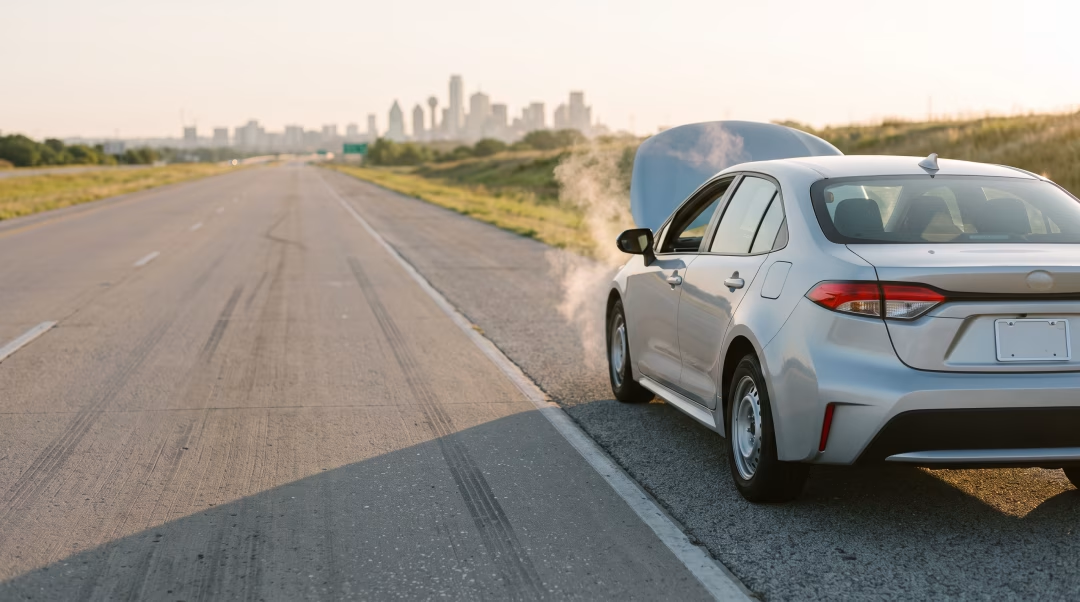
- Do Not Open the Hood Immediately. Let the engine cool down for at least 15 to 20 minutes. Steam and boiling coolant can be trapped under the hood, and opening it too soon can result in severe burns from pressurized spray. You will likely see steam coming from the grille or edges of the hood; wait until it subsides.
- Never Open the Radiator Cap. The cooling system is highly pressurized when hot. Opening the radiator or coolant reservoir cap can cause boiling liquid to erupt violently, causing serious injury. The system must be completely cool before this cap is safe to remove.
- Assess the Situation and Call for Help. While you wait for the engine to cool, decide on your next steps. If you are comfortable with basic vehicle checks, you can look for obvious problems once it's cool. Otherwise, it is best to call for roadside assistance or a tow truck. Continuing to drive an overheating car is one of the worst things you can do for its long-term health.
Understanding Why Your Car Is Overheating
A car's engine generates an immense amount of heat during normal operation. The cooling system is designed to manage and dissipate this heat to keep the engine within its optimal temperature range. This system is a network of components working together, and a failure in any single part can cause the entire system to fail. The core component is the radiator, which circulates a special fluid called coolant (or antifreeze) through passages in the engine block to absorb heat. The heated fluid then travels to the radiator at the front of the car, where airflow dissipates the heat. The cooled fluid then circulates back to the engine to repeat the process. Key players in this cycle include the water pump, which circulates the fluid; the thermostat, which regulates the fluid's temperature; and cooling fans, which pull air through the radiator, especially in slow traffic. A problem with any of these parts can quickly lead to an overheating emergency.
Common Causes for Overheating in Dallas Traffic
The demands of driving in North Texas can put extra strain on a vehicle's cooling system. Some of the most frequent culprits behind an overheating engine include:
- Low Coolant Levels: This is the most common cause. A leak in a hose, the radiator, or the water pump can allow the coolant level to drop, reducing the system's ability to absorb heat.
- A Faulty Thermostat: If the thermostat gets stuck in the closed position, it prevents coolant from flowing to the radiator, trapping heat within the engine.
- A Failing Water Pump: The water pump is the heart of the cooling system. If its internal impeller breaks or the drive belt fails, the coolant stops circulating.
- Broken Radiator Fan: In stop-and-go traffic, there is not enough natural airflow to cool the radiator. The electric or belt-driven fan is essential. If it fails, the car will quickly overheat while idling or moving slowly.
- Clogged Radiator: Debris, sediment, or corrosion can build up inside the radiator over time, restricting coolant flow and reducing its efficiency.
Preventative Maintenance: Your Best Defense
The best way to handle an overheating car is to avoid it altogether. Regular maintenance is key, especially in a climate like ours. If you are ever worried about your vehicle's condition, our team can help you explore options. Maybe you're wondering is buy here pay here a good option for an emergency car replacement? We can answer those questions and get you into a more dependable vehicle. Simple checks and services can make a world of difference:
- Check Coolant Levels Regularly: When the engine is cool, check the coolant level in the overflow reservoir. It should be between the "MIN" and "MAX" lines.
- Inspect Hoses: Periodically check the radiator hoses for cracks, bulges, or soft spots. Squeeze them (when cool) to feel for firmness.
- Coolant Flushes: Follow your vehicle manufacturer's recommendation for coolant flushes. This service replaces old, degraded coolant with fresh fluid, which helps prevent corrosion and blockages.
- Keep the Radiator Clean: Gently wash away any bugs, leaves, or road debris from the front of the radiator to ensure optimal airflow.
An overheating incident can be a clear sign that your current vehicle is no longer reliable for your daily commute. The cost of repairing a damaged engine can often be substantial, sometimes approaching the value of the car itself. This might be the perfect time to evaluate your transportation needs. Instead of pouring money into an aging vehicle, you could invest in a newer, more dependable used car. Our financing options are designed to help people in various credit situations. You can learn more about what buy here pay here is and even get pre-qualified online to see what possibilities are available to you. Don't let the fear of another breakdown dictate your daily life. Let us help you find a car that you can count on.
Can I just pour water into my radiator if it overheats?
In an absolute emergency, plain water can be used to get you to a safe location or a repair shop. However, it is not a long-term solution. Coolant has a higher boiling point and lower freezing point than water, and it contains anti-corrosion additives that protect your engine. As soon as possible, you should have the system flushed and refilled with the proper coolant mixture.
How long should I wait before trying to restart my car?
You should wait until the engine has cooled down completely, which typically takes at least 30 minutes, but can be longer on a hot Texas day. The temperature gauge on the dashboard should be back in the normal range. Attempting to start the engine while it is still very hot risks causing serious damage like cracked heads or blocks.
Will driving for just a short distance with an overheating engine cause damage?
Yes, even a very short drive can cause irreversible engine damage. When the temperature gauge is in the red, critical metal components inside the engine can begin to warp and fail within minutes. The safest course of action is always to pull over immediately and shut off the engine.
Why did my air conditioning stop blowing cold air when the car started to overheat?
Many modern vehicles are designed with a failsafe that automatically shuts off the air conditioning compressor when the engine temperature gets too high. This is a protective measure to reduce the load on the engine and prevent it from overheating even faster. It is often one of the first warning signs drivers notice.
How expensive is it to fix an overheating problem?
The cost can vary dramatically depending on the cause. A simple fix like a leaking hose or a new thermostat might cost a few hundred dollars. However, if the cause is a failed water pump or a clogged radiator, the repair costs can be significantly higher. If the engine itself was damaged from the heat, the repair could cost thousands, which is why immediate action is so important.
