

What to Do With Your License
Plates After Selling a Car in Texas
Navigating Your Next Steps After a Car Sale
Congratulations on selling your vehicle in Texas! While the handshake is done and the payment is in hand, there is one crucial final step that many people overlook: handling the license plates. Unlike in some other states, Texas law is very specific about license plates, and they do not automatically transfer to the new owner with the car. Understanding what to do with your plates is not just about following rules; it is about protecting yourself from future liability. Failing to properly manage your old plates could leave you responsible for the new driver's tolls, parking tickets, and other violations. This guide will walk you through the correct procedures, ensuring a clean and complete break from your old vehicle. Properly completing this final task gives you peace of mind and keeps you in good standing with the Texas Department of Motor Vehicles (TxDMV).
Protect Yourself and Follow State Guidelines
The most important action you can take after selling your car is to remove the license plates and submit a Vehicle Transfer Notification. This simple step officially informs the state that you no longer own the vehicle, effectively ending your legal responsibility for it. Whether you plan to transfer the plates to a new car or dispose of them, this notification is your primary shield against any issues that may arise with the vehicle under its new ownership. Let us explore the options and processes in more detail.
A Detailed Guide to Handling Texas License Plates Post-Sale
When you sell a car in the Lone Star State, the general rule is that the plates stay with you, the seller. This is a key difference from many other states and a critical piece of information for any Texas vehicle owner. Leaving your plates on the car for the new owner is a common but costly mistake. It creates a direct link between you and a vehicle you no longer control, opening the door to a variety of potential legal and financial headaches. By taking a few proactive steps, you can ensure a smooth transition and fully protect yourself from liability.
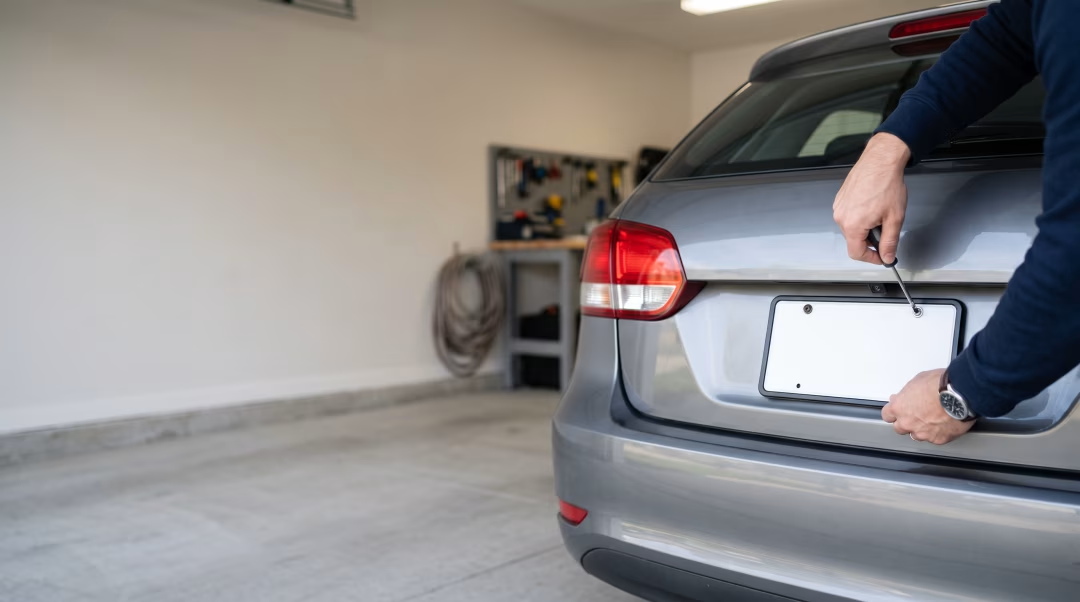
The moment the sale is finalized and you have transferred the title, your first physical action should be to remove the license plates and the registration sticker from the vehicle. Do not let the buyer drive away with them. This is your right and your responsibility as the seller.
The Most Important Step: Vehicle Transfer Notification
Immediately after selling your vehicle, you must notify the TxDMV. This is done by filing a Vehicle Transfer Notification (Form VTR-346). This notification is arguably the most critical piece of paperwork in the entire selling process from a liability standpoint. It officially records the date and details of the sale in the state's motor vehicle database. Once filed, it protects you from liability for:
- Parking tickets or traffic violations committed by the new owner.
- Toll bills from agencies like the NTTA. Without this notification, those bills will be sent to you.
- Any legal issues if the vehicle is used in a crime or involved in an accident.
You have 30 days from the date of sale to file this notification. You can do it easily online through the TxDMV website, which is the fastest and most recommended method, or you can mail the completed form. Filing this notice is free and is your official record that you are no longer the owner.
Your Options for the Old License Plates
Once you have removed your plates, you have a few choices. The decision depends on whether you are replacing the vehicle you just sold.
1. Transfer the Plates to Your New Vehicle
This is the most common and cost-effective option if you have purchased or are about to purchase another vehicle. You can transfer your existing plates to the new car, truck, or SUV. This saves you the cost of new plates and allows you to keep your existing plate number, which is especially desirable if you have personalized or specialty plates. To do this, you will simply indicate that you want to transfer the plates when you go to your local county tax assessor-collector's office to title and register your new vehicle. Remember, the registration transfers, so any time left on your old sticker will apply to the new car. You can learn more about the associated costs by reading about title and registration fees for a used car in Texas.
2. Dispose of the Plates Properly
If you are not getting a new vehicle or simply want new plates, you must dispose of your old ones securely. You should not just toss them in the trash. To prevent fraudulent use, it is recommended that you deface them first. You can do this by bending them, cutting them up, or using a permanent marker to black out the numbers and letters. Once they are clearly unusable, you can place them in your recycling bin.
3. Keep Them as a Souvenir
Some people, especially those with long-held personalized plates, may want to keep them as a memento. This is perfectly fine, but you must remember that they are no longer valid for road use and should not be placed on any other vehicle.
Trading In vs. Selling Privately
The process is much simpler when you trade in your vehicle at a reputable dealership. When you value your trade with us, our experienced team handles all the necessary title and registration paperwork for you. We ensure the Vehicle Transfer Notification is filed correctly and on time, taking that worry off your shoulders. We will also guide you through the process of transferring your plates to your next vehicle from our used inventory. While a private sale might seem appealing, it places the entire burden of completing the paperwork accurately on you. A small mistake can lead to significant problems down the road. Working with an established dealer provides a layer of security and convenience that is hard to match in a private transaction. You can explore a deeper comparison on our page about whether it is better to trade in or sell your car privately.
Frequently Asked Questions About Texas License Plates
Do license plates stay with the car when you sell it in Texas?
No, they do not. In Texas, the license plates belong to the seller, not the vehicle. The seller is required to remove the plates and registration sticker before completing the sale. The buyer is responsible for obtaining new plates and registration for the vehicle.
What is the most important form to file after selling my car in Texas?
The most crucial form is the Vehicle Transfer Notification (Form VTR-346). Filing this form with the Texas Department of Motor Vehicles (TxDMV) releases you from liability for any tickets, toll bills, or criminal activity associated with the vehicle after the date of sale.
How long do I have to file the Vehicle Transfer Notification?
You must file the Vehicle Transfer Notification within 30 days of the vehicle's sale date. The fastest and most reliable way to do this is online via the TxDMV website, but you can also submit the form by mail. Waiting beyond the 30-day window can put you at risk.
Can I transfer my old license plates to a new car?
Yes, you can. This is a common practice in Texas. When you go to your county tax assessor-collector's office to register your new vehicle, you can request to transfer your old plates. This can save you money and allow you to keep a personalized plate number.
What happens if I forget to remove my plates from the car I sold?
If you leave your plates on the car, you remain legally linked to it in the state's database until the new owner registers it in their name. You could be held responsible for any parking tickets, red-light camera violations, or toll road charges incurred by the new driver during that period.
