

Why Reputable Dealers Recondition
Used Cars Before Selling Them
The Hidden Value in a Reconditioned Used Car
Have you ever wondered what happens to a used car between the time a dealership acquires it and when it appears on the sales lot? For many reputable dealers, this is a critical phase known as reconditioning. This multi-step process is not just a simple wash and vacuum. It involves a thorough inspection, mechanical repairs, and cosmetic refurbishment designed to bring the vehicle to a higher standard of quality and reliability. Choosing a dealership that invests in reconditioning means you are looking at inventory that has been carefully vetted for performance and safety. It is a commitment to quality that translates directly into a better ownership experience for you. This focus on upfront investment helps provide a more dependable vehicle, giving you greater confidence and peace of mind from the moment you drive away. It is the difference between buying just any used car and buying a quality pre-owned vehicle.
Ultimately, the reconditioning process is a dealer’s pledge of quality. By addressing potential issues before the sale, we aim to provide a vehicle that offers dependable service and lasting value. This meticulous attention to detail means you can focus on finding the right car, truck, or SUV for your needs without worrying about immediate, unexpected repairs. When you browse our used inventory, you can be confident that each vehicle has been prepared with care, reflecting our commitment to your satisfaction and safety on the road.
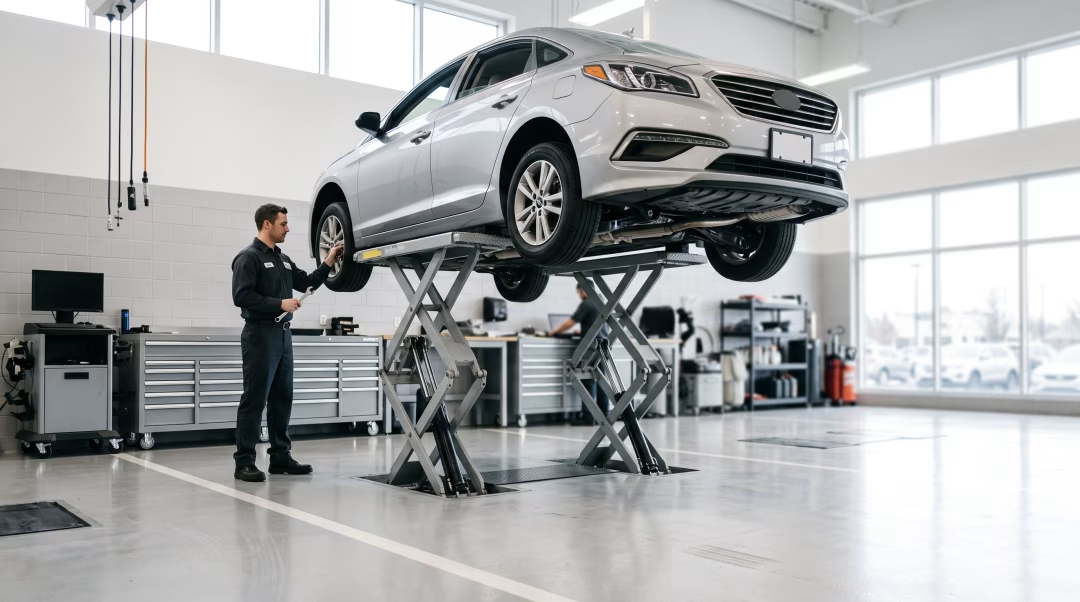
A Deeper Look into the Used Car Reconditioning Process
The journey of a used car onto a dealership’s front line is more complex than most people realize. While some sellers might do the bare minimum, a quality-focused dealership understands that its reputation rides on every vehicle it sells. The reconditioning process is a systematic approach to ensuring that each car not only looks great but is also mechanically sound and safe for its next owner. This investment of time, money, and expertise is a cornerstone of a trustworthy operation and provides significant benefits to the customer.
Why Bother with Reconditioning?
From a business perspective, reconditioning makes perfect sense. A dealer’s primary goal is to build a long-term relationship with the community and its customers. Selling a vehicle that immediately develops problems is the fastest way to damage that reputation. By proactively addressing mechanical and cosmetic flaws, a dealer can stand behind their product with confidence. This reduces the likelihood of post-sale complaints and demonstrates a commitment to transparency and customer care. Furthermore, a properly reconditioned vehicle is simply a better product, justifying its market value and providing a clear advantage over private sales or cars sold "as-is" with no prior inspection. You can learn more about what this term means by visiting our page explaining what 'as-is' means on a used car in Texas.
The Key Stages of Vehicle Reconditioning
While the exact process can vary, a comprehensive reconditioning workflow generally includes several distinct stages. Each step is designed to identify and rectify issues, progressively improving the vehicle's overall condition.
- Initial Triage and Mechanical Inspection: As soon as a vehicle arrives, it undergoes a detailed multi-point inspection. Technicians check everything from the engine and transmission performance to the brakes, steering, suspension, and electrical systems. This diagnostic phase creates a "due bill"—a list of all necessary mechanical repairs. This is also when a vehicle history report is reviewed to check for past accidents or title issues.
- Mechanical Repairs and Maintenance: The vehicle moves to the service bay where certified technicians perform the required work. This can range from simple maintenance like an oil change and filter replacement to more significant repairs such as replacing worn brake pads and rotors, fitting new tires, or addressing engine performance issues. The goal is to ensure the vehicle is not only running well but is also safe to drive.
- Cosmetic Refurbishment: Once the mechanical work is complete, the focus shifts to aesthetics. This stage can include paintless dent removal for minor dings, paint touch-ups for scratches and chips, and headlight restoration to improve visibility and appearance. The interior is also addressed, with repairs to upholstery tears, stain removal, and deep cleaning to eliminate odors.
- Professional Detailing: The final step is a meticulous, top-to-bottom detail. This goes far beyond a typical car wash. The exterior is washed, clay barred, polished, and waxed to restore its shine and protect the paint. The interior is vacuumed, shampooed, and conditioned, including the carpets, seats, and headliner. The engine bay is cleaned, and all glass is polished, leaving the car looking as close to new as possible.
- Final Quality Control: Before the vehicle is listed for sale, it undergoes a final quality check. A manager or senior technician often performs a final test drive to confirm that all repairs were completed correctly and the vehicle drives as it should. This ensures it meets the dealership’s standards and is ready for you to schedule a test drive.
The Customer Advantage: Peace of Mind and Long-Term Value
For a car buyer, the benefits of this process are immense. First and foremost is reliability. A reconditioned car has already had common wear-and-tear items inspected and often replaced, reducing the chance you will face a large repair bill shortly after your purchase. This built-in peace of mind is invaluable, especially when you rely on your vehicle for daily transportation to work or school. This reliability is a key factor when considering financing, as it helps protect your investment over the life of the loan. If you are exploring financing options, our team is ready to help you get pre-qualified for a vehicle you can count on.
Safety is another critical advantage. The inspection process pays close attention to safety-critical components like brakes, tires, and suspension. A tire with low tread or brakes that are near the end of their service life will be replaced, ensuring the vehicle is safe for you and your family. This is a level of scrutiny that is often missed in a private party sale. By investing in a reconditioned car, you are also investing in your own security on the road.
What is the main difference between a 'used' and a 'reconditioned' car?
While all reconditioned cars are used, not all used cars are reconditioned. A standard "used" car may be sold as-is, with whatever existing faults it has. A reconditioned car has gone through a detailed inspection, repair, and detailing process to meet a higher quality standard set by the dealership before being offered for sale.
Does reconditioning mean the car will be perfect?
Reconditioning aims to make a used vehicle as reliable, safe, and clean as reasonably possible. It addresses mechanical and significant cosmetic issues. However, it is still a used vehicle and may show minor signs of normal wear and tear consistent with its age and mileage. The goal is to eliminate major problems and restore the vehicle to excellent condition.
Is a reconditioned car more expensive?
A reconditioned vehicle may have a slightly higher upfront price than a comparable "as-is" vehicle from a private seller. This price reflects the dealer's investment in parts, labor, and detailing to bring the car to a higher standard. This often represents a better long-term value, as it can save you from paying for those same repairs out-of-pocket immediately after purchase.
How can I know what work was done during reconditioning?
A transparent dealership should be willing to discuss the reconditioning process for a vehicle you are interested in. While they may not provide every single service receipt, they can often tell you about any significant repairs performed, such as the replacement of brakes or tires, and confirm that it passed their mechanical inspection.
Does a reconditioned car come with a warranty?
The availability of a warranty depends on the specific vehicle and the dealership's policies. Some reconditioned vehicles may come with a limited warranty or be eligible for an extended service contract. It is always a good idea to ask about any available coverage. You can learn more about the differences by reading our guide on what is the difference between a warranty and a service contract.
