

How to Inspect a Used Car
at Night or in the Rain
Finding the perfect time to inspect a used car can be a challenge. Schedules get busy, and sometimes the only available slot is after sundown or on a rainy day. While these conditions are not ideal, they should not stop you from giving a potential vehicle a thorough evaluation. In fact, inspecting a car at night or in the rain can sometimes reveal issues that are harder to spot in broad daylight. A wet surface can highlight poor bodywork, and the focused beam of a flashlight can expose dings and scratches that bright sunlight might wash out. The key is knowing what to look for and having the right tools on hand. A prepared buyer can turn a potentially difficult situation into a confident purchase decision, no matter the weather or time of day. Being informed is your best asset when navigating our extensive used inventory.
Do not let a little rain or darkness deter your search for a reliable vehicle. With a systematic approach, you can effectively assess a car's condition and make an informed choice. This guide will walk you through the specific techniques for uncovering hidden flaws in less than perfect weather and lighting. By focusing on key areas and using simple tools, you can perform a confident inspection. When you are ready, you can always schedule a test drive to experience the vehicle firsthand.
Your Comprehensive Guide to Nighttime and Rainy Day Vehicle Inspections
The ideal scenario for inspecting a used car is on a bright, clear day. Sunlight is the ultimate truth-teller, revealing every scratch, swirl mark, and paint imperfection. However, life and schedules rarely align perfectly. You might find your dream car online and the only time you can see it is after work, long after the sun has set. Or, the day of your appointment is met with a classic Texas downpour. Rather than canceling, you can proceed with confidence by adapting your inspection strategy. Knowing how to inspect a used car at night or in the rain is a valuable skill that empowers you to uncover potential problems that others might miss.
Essential Tools for an After-Dark or Wet-Weather Inspection
Coming prepared is half the battle. The right tools can overcome the challenges of poor lighting and wet conditions. Before you head to the dealership, gather a small inspection kit.
- A Powerful LED Flashlight: This is your most critical tool. A bright, focused beam is essential for both night and rain inspections. A smaller penlight can also be useful for tight spaces.
- Clean Microfiber Towels: You will need these to wipe down wet surfaces to check the paint condition underneath and to dry your hands before inspecting the interior.
- A Small Mirror: An extendable inspection mirror can help you see underneath the vehicle and in the engine bay without having to lie on the wet ground.
- Disposable Gloves: Keep your hands clean while checking under the hood and around the tires.
- Your Smartphone: The camera and flashlight are handy, and you can take pictures of any areas of concern for later review.
Mastering the Nighttime Inspection
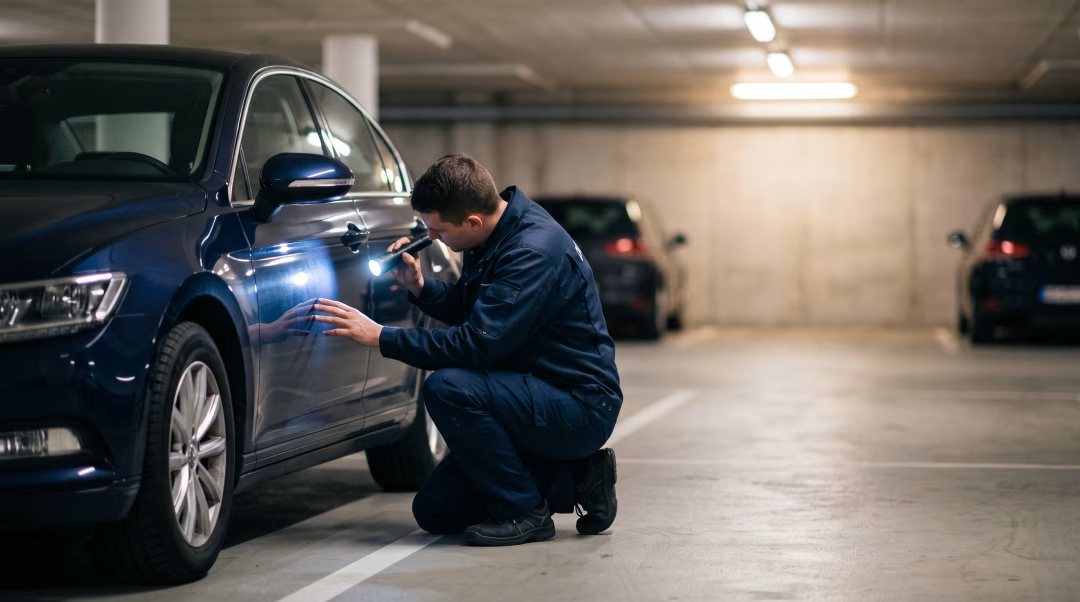
Darkness hides flaws, but a flashlight beam can reveal them in sharp detail. The key is to use the light strategically. Instead of pointing it directly at the car's body panels, hold it at a sharp angle and sweep the beam slowly across the surface. This technique, called "raking light," causes shadows to form in any dents, dings, or deep scratches, making them pop out visually.
Check the body panel alignment this way. Uneven gaps between the doors, fenders, and hood can indicate a history of collision repair. Look for variations in paint texture or color between panels. A flashlight can highlight overspray on trim, which is a clear sign of a repaint. Do not forget to get low and inspect the rocker panels and undercarriage for rust or damage. The darkness actually helps here, as your flashlight will be the only light source, drawing your eye to problem areas.
Turn on all exterior and interior lights. Check the headlights (both high and low beams), tail lights, brake lights, and turn signals. Inside, ensure every button is backlit as it should be and that the dome lights work. This is also the perfect time to check the car's air conditioning and heating system, paying attention to whether the control panel is fully illuminated.
Finding the Truth in the Rain
A rainy day inspection offers a unique advantage: it is a real-world test for water leaks. This is especially important for anyone concerned about spotting a flood-damaged car. Start your inspection inside the vehicle. Press your hand firmly on the carpets in the driver and passenger footwells, as well as under the floor mats. Check the headliner for any water stains, particularly around the sunroof and windows. Open the trunk and lift the carpet or floor cover to inspect the spare tire well, a common place for water to collect from a bad trunk seal.
A musty or mildew smell inside the cabin is a major red flag that water is getting in somewhere. While you are inside, turn the engine on and run the defroster on high to make sure it clears the windshield effectively. Test the windshield wipers on all speeds and check the condition of the wiper blades themselves.
Outside, the rain can help you spot issues with the paint. If the car has a good coat of wax, water will bead up uniformly. Look for large, flat patches where water does not bead; this can indicate a repainted area with no protective coat. Rain can also make paint bubbles or rust spots more obvious. After you have done the interior check, use a microfiber towel to wipe a few sections of the body dry so you can inspect the paint quality more closely, just as you would with a flashlight at night.
The Critical Test Drive in Poor Conditions
A test drive is non-negotiable, and doing one at night or in the rain provides valuable insights. During a nighttime drive, pay close attention to the headlights. Are they bright and aimed correctly? Is there sufficient visibility? Check the dashboard lights for any flickering, and make sure you can read all the gauges clearly. On a rainy test drive, listen for any unusual noises from the suspension when going over puddles. Test the brakes to see how they perform on wet pavement. Do they pull the car to one side? The tires are also under scrutiny; poor performance in the rain could mean the tires are old or worn and need replacing. This is a crucial part of the process, which is why we make it easy to start your application and schedule a drive.
Frequently Asked Questions
Can rain really hide major body damage?
Yes, a layer of water can mask scratches, swirl marks, and even minor dents by filling them in and creating a uniform, reflective surface. However, it can also highlight poor repair work, as water may not bead correctly on a repainted panel. This is why it is essential to wipe sections of the car dry with a microfiber towel for a closer look.
What is the single most important tool for a nighttime car inspection?
A powerful, high-quality LED flashlight is without a doubt the most critical tool. It does more than just help you see in the dark; holding it at an angle to the body panels creates shadows that reveal dents, dings, and scratches that would be invisible under diffuse overhead lighting or even in bright sunlight.
Are there any advantages to inspecting a used car in the rain?
Absolutely. Rain provides a free and effective "leak test." It is the best way to discover bad seals around windows, doors, or the sunroof. Checking for dampness in the carpets, headliner, and trunk during or just after a rainstorm can save you from buying a car with costly water intrusion problems.
What should I do if I find moisture inside the car during a rainy day inspection?
Finding moisture is a significant red flag. You should try to identify the source of the leak if possible, checking seals around the area. It is important to ask about the vehicle's history and mention your findings. Water leaks can lead to mold, mildew, and electrical problems, so this issue should be addressed before making any purchase decision.
Is it better to just reschedule the inspection for a clear day?
While a clear day is often considered ideal, it is not always necessary or even better. As this guide shows, inspecting in the rain or at night can reveal specific issues you might otherwise miss. If you are prepared with the right tools and knowledge, you can perform a very thorough inspection regardless of the conditions. If you remain unsure, a follow-up visit or a pre-purchase inspection is always an option.
