

How to Pick the Right
Car Color for the Texas Sun
Choosing a car in Texas involves more than just picking a model that fits your lifestyle and budget. The relentless sun and intense heat play a significant role in your long-term ownership experience. The color of your vehicle is not just a matter of personal style; it is a practical decision that can impact everything from the interior cabin temperature to how often you need to wash it. A lighter-colored car can feel noticeably cooler after sitting in a sun-drenched parking lot, potentially easing the strain on your air conditioning system. Conversely, while a black or dark blue car might look sleek and commanding, it will absorb far more solar energy. This guide will walk you through the key factors to consider, helping you select a color that is not only attractive but also smart for navigating the Texas climate. Understanding these differences can lead to a more comfortable and enjoyable driving experience.
Your vehicle’s color directly influences its ability to handle the Texas heat, how visible dirt and scratches are, and even its future resale value. While personal preference is important, a strategic color choice can save you time on maintenance and keep you more comfortable during the scorching summer months. As you explore our wide selection of quality pre-owned vehicles, keep these practical considerations in mind. You can find a car you love that also works hard for you under the hot Texas sun. Browse our used-inventory to see the variety of colors available today.
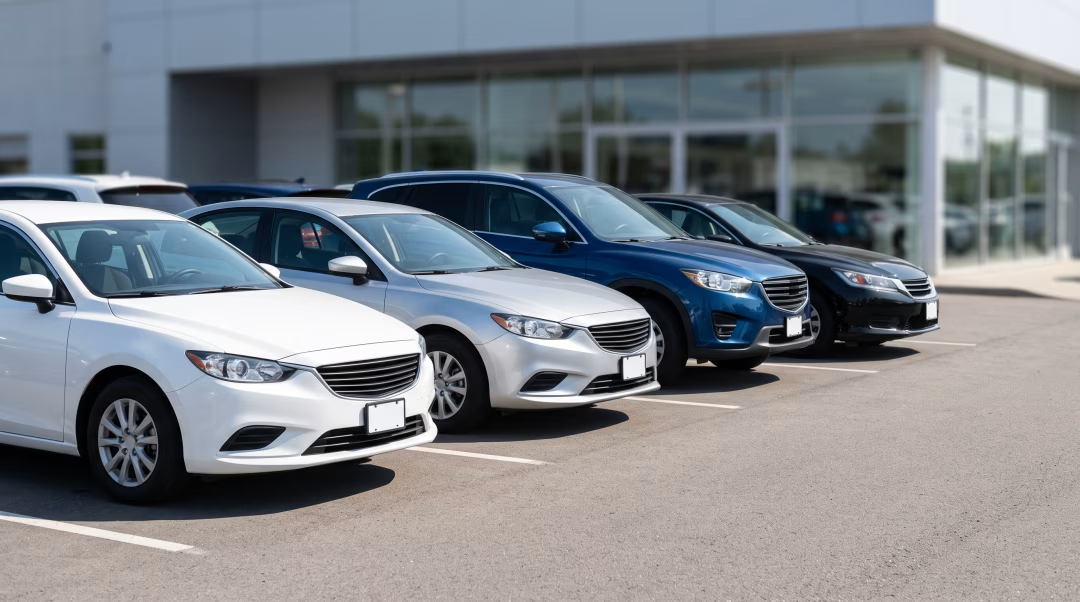
The Science Behind Car Colors and Texas Heat
It is a simple principle of physics that you have likely experienced firsthand: dark surfaces absorb more light and heat, while light surfaces reflect it. This is why wearing a black shirt on a sunny day feels much warmer than wearing a white one. The same exact science applies to the metal and paint of your vehicle. A car with a dark paint job in black, dark blue, or deep gray will absorb a higher percentage of the sun's radiation. This absorbed energy converts into heat, raising the temperature of the vehicle's exterior panels and, subsequently, the air inside the cabin. On a typical 95-degree Texas afternoon, the interior of a black car can soar to over 130 degrees in just an hour.
In contrast, cars painted in white, silver, beige, or other light pastel shades reflect a significant portion of that solar radiation. This reflective property means less energy is converted into heat, resulting in a cabin temperature that can be 10-15 degrees cooler than its darker counterpart under the same conditions. While that may not sound like a massive difference, it has real-world implications. A cooler interior means your air conditioning system does not have to work as hard or for as long to make the cabin comfortable, which can have a minor but cumulative effect on fuel efficiency. It also reduces the initial blast of sweltering air when you first get into your car. Furthermore, extreme heat can take a toll on your car's systems over time, and anything that mitigates it, like color choice, can be beneficial. For more on this, see our article on how Dallas summer heat affects your car battery.
Maintenance, Durability, and Resale Value Considerations
Beyond temperature, color choice has a major impact on vehicle maintenance. The dust and pollen common in many parts of Texas are light in color, making them stand out starkly against a black or dark blue finish. These colors also tend to show water spots, swirl marks from washing, and fine scratches more readily. If you want a car that looks clean with minimal effort, colors like silver, light gray, champagne, and beige are excellent choices. They are exceptionally good at camouflaging a light layer of dust and dirt, meaning you can go longer between washes without your car looking grimy.
The sun's ultraviolet (UV) rays are another enemy of your car's finish. Over time, UV radiation breaks down the clear coat and the pigment in the paint, leading to a dull, faded, or oxidized appearance. While all colors will eventually fade, darker pigments, particularly reds and some blacks, can show the effects of oxidation more noticeably. A well-maintained light-colored car often looks newer for longer. Finally, think about the future. When it is time to sell or trade in your vehicle, neutral colors have the broadest appeal. According to multiple industry studies, white, black, gray, and silver are consistently the most popular car colors. Choosing one of these shades can make your car easier to sell and may help it hold its value better. You can get an idea of your current vehicle's worth by using our value my trade tool.
The Best and Worst Car Colors for the Texas Climate
With these factors in mind, let's break down the most common color options:
- White: The champion of coolness. White reflects the most sunlight, keeping the cabin more comfortable. It is also a very safe and visible color. The main drawback is that it shows mud and road grime very clearly.
- Silver and Light Gray: Perhaps the most practical choice for Texas. These colors are excellent at reflecting heat and are the best at hiding dirt, dust, and minor scratches. They also boast strong resale values.
- Beige, Champagne, and Light Gold: Similar to silver, these earthy tones are fantastic at concealing dust and staying relatively cool. They offer a touch of warmth and luxury compared to standard silver.
- Red: A bold and exciting color, but it comes with trade-offs. Red absorbs a fair amount of heat and can be more susceptible to visible fading over many years if not protected with wax or sealants.
- Dark Blue, Dark Gray, and Maroon: These elegant colors absorb significant heat, much like black. They offer a sophisticated look but will require more effort from your A/C and show dust and imperfections more than their lighter cousins.
- Black: The hottest possible color for a car. Black absorbs the maximum amount of solar radiation. It looks incredibly sharp when perfectly clean, but it is also the most difficult color to maintain, showing every swirl, scratch, and speck of dust.
Protecting Your Vehicle, No Matter the Color
Even if you choose the perfect color, the Texas sun is unforgiving. Protecting your investment is key. Your paint is the first line of defense, but the interior is also vulnerable to cracking and fading from UV exposure. The battle between your car and the elements is constant. Consider these tips to keep any vehicle in great shape:
- Apply a quality wax or paint sealant every few months to provide a protective barrier against UV rays.
- Invest in professional window tinting. It dramatically reduces interior temperatures and blocks harmful UV rays from damaging your dashboard and upholstery. Be sure to follow the window tint laws in Texas.
- Use a reflective windshield sunshade whenever you park outside. This simple step can make a huge difference in cabin temperature.
- When possible, park in a garage, carport, or in the shade of a building or tree.
- Do not forget your interior. The color and material of your seats also matter. You can learn more about leather vs cloth seats for Texas summers on our blog.
Does car color really make a big difference in interior temperature?
Yes, it absolutely does. Studies have shown that on a hot, sunny day, the interior of a black car can become 10-15 degrees Fahrenheit hotter than an identical white or silver car parked next to it. This is due to the simple physics of light colors reflecting solar radiation while dark colors absorb it, converting it into heat.
What is the coolest car color for the Texas sun?
White is scientifically the coolest color as it reflects the most light across the visible spectrum. Silver and other very light shades like beige and light gray are also excellent choices and are very close behind white in terms of heat reflection.
Do dark-colored cars fade faster in Texas?
Not necessarily faster, but the fading can be more noticeable. All paint is susceptible to UV damage, which causes oxidation. On darker pigments, especially reds and blacks, this chalky, faded appearance can be more apparent than on a silver or white car where the effects are less visually jarring.
Which car color is easiest to keep clean in a dusty climate?
Silver, light gray, beige, and champagne are widely considered the easiest colors to keep looking clean. The light, earthy tones of Texas dust and pollen blend in well with these colors, camouflaging a light layer of dirt far better than on a dark or pure white vehicle.
Does the color of my car affect its resale value?
Yes, car color can influence resale value. Neutral, popular colors like white, black, gray, and silver tend to have the broadest appeal to potential buyers, which can make the car easier to sell and help it retain more of its value compared to more niche or polarizing colors like bright green or orange.
