

Is a 10-Year-Old Car Still
a Good Buy? Your Ultimate Guide
Are you wondering if a 10-year-old car is still a good buy? For many drivers in the Dallas area, the answer is a resounding yes. A decade-old vehicle can offer tremendous value, allowing you to access features and models that might be out of reach when brand new. The key is knowing what to look for. Most of the initial, steep depreciation has already occurred, meaning your purchase price is significantly lower and the car will hold its value better over time. While older vehicles may require more attention to maintenance, many have well-documented reliability records. By focusing on models known for their longevity, checking the vehicle history report, and performing a thorough inspection, you can find a dependable and affordable car that perfectly fits your budget and lifestyle. A 10-year-old car is not just an older vehicle; it is a smart financial decision waiting to be made.
Ultimately, a 10-year-old car can be an excellent investment, providing reliable transportation without the hefty price tag of a newer model. The secret lies in diligent research and careful inspection before you buy. At our dealership, we specialize in quality pre-owned vehicles and understand what makes an older car a great value. Our team is here to help you navigate our extensive used inventory, answer your questions, and guide you toward a vehicle that you can depend on for years to come.
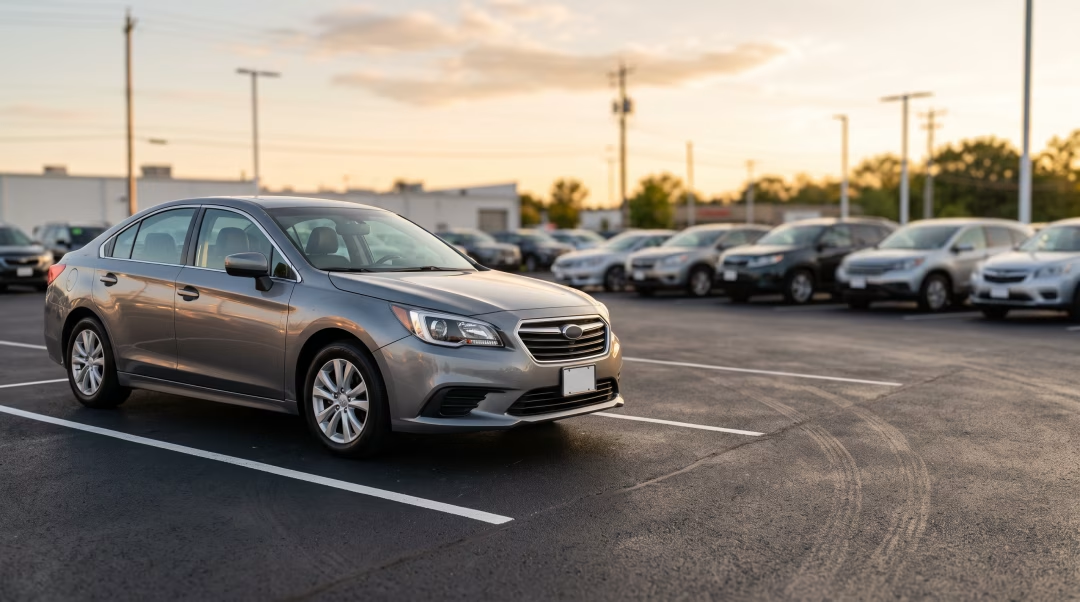
The Comprehensive Guide to Buying a Decade-Old Car
The thought of buying a 10-year-old car can bring up a mix of excitement and apprehension. On one hand, the prices are incredibly attractive. On the other, there are questions about reliability, maintenance, and safety. The truth is, modern cars are built to last far longer than their predecessors. With proper care, many vehicles can easily surpass 200,000 miles, making a 10-year-old model with average mileage a very viable option. This guide will walk you through the advantages, potential drawbacks, and crucial factors to consider, empowering you to decide if an older car is the right choice for you.
The Advantages of Choosing an Older Vehicle
Opting for a car that has been on the road for a decade comes with several significant benefits, especially for budget-conscious buyers. Understanding these perks can help you appreciate the incredible value these vehicles offer.
- Major Cost Savings: This is the most compelling reason to buy an older car. A vehicle loses the largest chunk of its value in the first five years. By year 10, the depreciation curve has flattened considerably. This means you pay a fraction of the original sticker price and the car's value will decrease much more slowly from the moment you drive it off the lot.
- Lower Insurance Costs: Car insurance premiums are calculated based on many factors, including the car's value. Since a 10-year-old car has a lower replacement value, the cost to insure it is typically much less than for a new or late-model vehicle. These monthly savings add up over the life of your ownership.
- Proven Reliability and Known Issues: After a decade, a specific model's strengths and weaknesses are well-documented. You can easily find owner reviews, forum discussions, and reliability ratings that detail common problems to watch for. This wealth of information is a powerful tool you can use during your search. You can learn more by checking out our research page template.
- Simpler Mechanics: While modern technology is great, it can also be incredibly expensive to repair. Many 10-year-old cars have less complex infotainment systems, fewer electronic sensors, and more straightforward mechanical components, which can lead to more affordable and simpler repairs down the line.
What to Watch For: Potential Downsides
While the value is clear, it is important to go into the process with your eyes open. Being aware of the potential challenges will help you make a smarter purchase and avoid surprises.
First, there is the potential for more frequent maintenance. Parts like belts, hoses, batteries, and suspension components have a finite lifespan. On a 10-year-old car, some of these items may be nearing the end of their service life. It is crucial to budget for potential repairs. Second, safety and convenience technology has advanced significantly in the last decade. An older car might lack features like blind-spot monitoring, automatic emergency braking, or Apple CarPlay. Finally, fuel efficiency may not be as impressive as in a brand-new counterpart, which is an important consideration with fluctuating gas prices. Exploring options like the best used cars for good gas mileage in Texas can help mitigate this.
Your Checklist for a Smart Purchase
Due diligence is your best friend when buying any used car, especially one that is a bit older. Following this checklist will dramatically increase your chances of finding a reliable vehicle.
- Review the Vehicle History Report: This is non-negotiable. A report from a service like CarFax or AutoCheck provides vital information about the car's past, including reported accidents, title status (watch for salvage or rebuilt titles), and sometimes even service records. Learning how to read a vehicle history report is a critical skill.
- Assess Mileage and Condition: Don't be scared off by mileage alone. A car with 150,000 well-maintained highway miles can be in better shape than one with 80,000 rough city miles. Look for signs of consistent care, a clean interior, and a well-kept engine bay. For more context, see our guide on if a car with 150,000 miles is worth buying.
- Take a Comprehensive Test Drive: Go beyond a simple trip around the block. Drive the car on different types of roads, including a highway, to test it at various speeds. Listen for unusual noises, feel for vibrations, and check that all electronics, including the air conditioning, work properly. Pay attention to our advice on what to check on a used car test drive.
- Get a Pre-Purchase Inspection (PPI): This is the most important step. Have a trusted, independent mechanic inspect the vehicle before you sign any paperwork. They can spot underlying issues that are not visible to the untrained eye, such as hidden rust, engine leaks, or transmission problems. The small cost of a PPI can save you thousands in future repairs.
- Consider Your Financing Options: Even with an older car, financing can make the purchase more manageable. Many buyers believe it is difficult to finance a 10-year-old vehicle, but specialized lenders and in-house financing dealerships are well-equipped to handle these loans. Exploring options like Buy Here Pay Here can be an effective solution, especially if you have a challenging credit history. To learn more, visit our financing area.
By approaching the process methodically, you can confidently determine if a 10-year-old car is a good buy for your specific needs. It represents an opportunity to own a reliable and feature-rich vehicle at a price that makes sound financial sense.
What is considered high mileage for a 10-year-old car?
The average American drives about 12,000 to 15,000 miles per year, so a 10-year-old car with 120,000 to 150,000 miles is considered average. Anything significantly above this could be considered high, but the vehicle's maintenance history is far more important than the number on the odometer. A well-maintained car with 180,000 miles can be more reliable than a neglected one with 100,000 miles.
Are 10-year-old luxury cars a good idea?
They can be, but they require extra caution. You can get premium features and performance for a low entry price, but repair and maintenance costs for luxury brands (like BMW, Mercedes-Benz, or Audi) are significantly higher than for non-luxury brands. If you are considering an older luxury car, having a thorough pre-purchase inspection and a healthy budget for potential repairs is absolutely essential.
How much should I budget for repairs on an older car?
A good rule of thumb is to set aside at least $50 to $100 per month into a dedicated car repair fund. This creates a safety net for both routine maintenance like oil changes and tires, as well as for unexpected repairs to the brakes, suspension, or other components. Having this fund ready provides peace of mind and prevents a surprise repair bill from disrupting your finances.
Can I still get financing for a car that is a decade old?
Yes, financing a 10-year-old car is possible. While some traditional banks may have age or mileage restrictions, many credit unions and specialized lenders are more flexible. Furthermore, dealerships that offer in-house financing, often known as Buy Here Pay Here, are an excellent resource as they typically have programs designed specifically for pre-owned vehicles of all ages and for buyers with varying credit profiles.
What are some of the most reliable 10-year-old car brands?
Historically, brands like Toyota, Honda, and Subaru have earned strong reputations for long-term reliability and durability. Many models from these manufacturers are known to last well over 200,000 miles with regular maintenance. However, reliability can vary by model, so it is always best to research the specific year, make, and model you are interested in before making a decision.
