

Is a Two-Door Coupe
Practical as Your Only Car?
The sleek lines, sporty stance, and performance-oriented feel of a two-door coupe are undeniably attractive. Many drivers dream of owning one, but the big question always comes up: is a two-door coupe practical enough to be your only car? For those who prioritize style and an engaging driving experience, the answer might be a resounding yes. However, making a coupe your primary vehicle involves a realistic look at your daily needs, from your commute and passenger load to your grocery runs and weekend trips. The decision isn't just about what you want to drive, but about how a car fits into the reality of your lifestyle. This guide will help you weigh the exciting pros against the practical cons to determine if a coupe is the right full-time partner for your driving needs and daily routine.
Ultimately, a coupe can absolutely be a practical choice as your only car, but it requires the right owner with the right lifestyle. If you primarily drive alone or with one passenger, have a manageable commute, and do not need to haul bulky items regularly, a coupe can be a perfect fit. It offers a more connected and enjoyable driving experience without significant daily compromises. For many, the joy of driving a stylish two-door car far outweighs the occasional inconvenience.
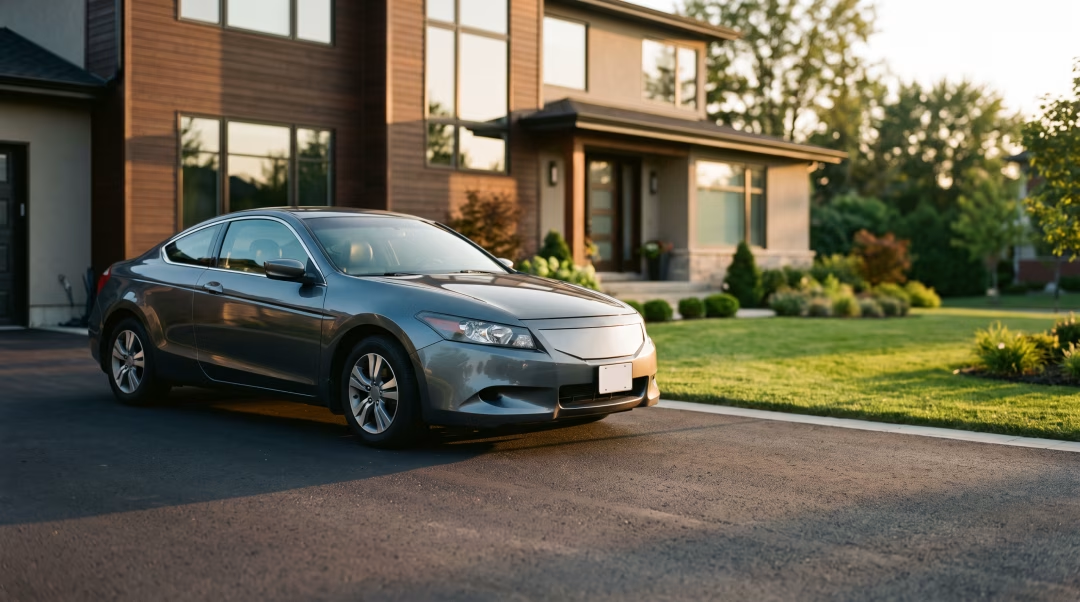
A Deep Dive into Coupe Practicality
The allure of a coupe is powerful. It often represents more than just transportation; it is a statement of style and a commitment to the joy of driving. But when the time comes to choose a single vehicle to handle everything life throws at you, practicality must enter the conversation. Let's break down the key areas where a coupe shines and where it might present challenges as your sole mode of transport.
Analyzing Your Lifestyle: The Deciding Factor
Before you start browsing our used inventory, the most important step is to honestly assess your daily life. What works perfectly for a single professional commuting in Dallas might not work for a growing family in the suburbs. Consider these critical aspects:
- Passengers: How many people do you drive regularly? A coupe's back seat is often best for occasional, short trips or for children. If you frequently have adult passengers in the back, they may find the limited legroom and headroom uncomfortable. Getting in and out of the back can also be a challenge. If you are regularly part of a carpool, a sedan or hatchback might be a better choice.
- Cargo: Think about your typical hauling needs. Are you making weekly trips to the warehouse club, carrying sports equipment, or tackling home improvement projects? While many coupes have surprisingly decent trunk space for groceries and luggage, the opening can be smaller, and you lose the flexibility of folding down rear seats for long items that you would get in a hatchback or SUV.
- Commute: Your daily drive plays a huge role. If you have a long highway commute, a comfortable coupe can be a fantastic companion. However, some sport-tuned coupes with firm suspensions can become tiresome in heavy, stop-and-go Dallas traffic. Consider ride comfort and fuel economy for the type of driving you do most often.
- Parking: This is a sneaky but important consideration. Coupes have long, heavy doors. This can make getting in and out a squeeze in tight parking garage spots or crowded lots. You may find yourself searching for end spots more often.
The Pros: Why a Coupe Might Be Your Perfect Only Car
Let's not forget why you are considering a coupe in the first place. The advantages are significant and can easily outweigh the drawbacks for the right person.
- Driving Dynamics: Coupes are often lighter and have a more rigid chassis than their four-door counterparts. This typically translates to better handling, more responsive steering, and a more connected, fun-to-drive feel.
- Aesthetics: There is no denying the visual appeal. Designers have more freedom with a coupe's roofline and proportions, resulting in some of the most beautiful cars on the road.
- Performance Focus: Many coupes are built with performance in mind, offering more powerful engine options and sport-tuned suspensions that will make any drive more exciting.
- Potential Value: In the used market, you can often find a well-equipped coupe for a similar price to a more basic sedan, offering more style and performance for your money. If you are curious about what your budget might look like, you can get pre-qualified to see your options.
The Cons: Realistic Challenges of Coupe Ownership
Being an informed buyer means understanding the potential downsides. These are the practical hurdles you might face with a coupe as your daily driver.
- Limited Accessibility: The rear seats are the most obvious challenge. Even if you don't use them often, having to move the front seat forward every time can be a hassle. It can be especially difficult when trying to install a child's car seat.
- Constrained Cargo: While the trunk volume might be adequate, the shape of the space can be limiting. The smaller trunk opening can make it impossible to load bulky boxes or oddly shaped items that a sedan or SUV would swallow with ease.
- Insurance Costs: Insurance companies sometimes view two-door models as higher risk due to their sporty nature, which can lead to higher premiums compared to a comparable sedan. It is always a good idea to get an insurance quote before finalizing a purchase. Learn more about how to lower your car insurance in our blog.
- Resale Value: Because the market for coupes is smaller than for more practical vehicles like sedans and SUVs, resale value can sometimes be lower, though this varies greatly by model.
Finding Your Answer
So, is a two-door coupe practical as your only car? If you are single or a couple, primarily carry only one passenger, and your cargo needs are modest, a coupe can be an excellent and enjoyable daily driver. The thrill and style it brings to every journey can make the minor compromises well worth it. However, if you have a family, frequently need your back seats, or often haul large items, you might find a coupe to be too restrictive. In that case, sporty alternatives like a performance sedan or a "hot hatch" could provide the driving fun you crave with the four-door practicality you need. Exploring all your options in our used sedans for sale and our wider inventory will give you the best perspective.
Ready to see if a coupe is right for you? The best way to know for sure is to get behind the wheel. We invite you to schedule a test drive and experience the unique blend of style and performance a coupe has to offer. Our team can help you explore financing options through our financing area and answer any questions you may have.
Frequently Asked Questions About Coupe Practicality
Are two-door coupes bad in bad weather?
Not necessarily, but it depends on the car. Many coupes are rear-wheel drive, which can have less traction in rain or icy conditions compared to front-wheel or all-wheel drive. However, modern traction control, stability control systems, and good quality all-season or weather-specific tires make a huge difference. An all-wheel-drive coupe can be excellent in bad weather.
Is insurance more expensive for a coupe?
Often, yes. Insurance rates are based on risk, and coupes, especially those with powerful engines, are often associated with a higher risk of accidents and theft. This can result in higher premiums than a comparable four-door sedan. We recommend getting insurance quotes on specific models you are considering before you buy.
Can you fit a car seat in a two-door coupe?
Yes, it is physically possible in most coupes that have a back seat and LATCH anchors. However, it is not very practical. The lack of a rear door makes it very difficult to get the child and the seat in and out of the vehicle. If you need to use a car seat regularly, a four-door vehicle is a much more convenient choice.
How much smaller is a coupe's trunk than a sedan's?
This varies widely by model. Some coupes, like the Ford Mustang or Dodge Challenger, have surprisingly large trunks that are comparable to a compact sedan. Other, smaller sports coupes may have very limited cargo space. The biggest difference is usually the size of the trunk opening, which can be more restrictive on a coupe, making it harder to load bulky items.
Are coupes less reliable than sedans?
No. A vehicle's body style does not determine its reliability. A coupe and a sedan from the same manufacturer, sharing the same engine and transmission, will generally have similar reliability ratings. Reliability is dependent on the specific make, model, year, and how well the vehicle has been maintained, not on the number of doors it has.
