

Should You Get a Pre-Purchase
Inspection on a Used Car?
Buying a used car is an exciting experience, but it can also come with a degree of uncertainty. While a vehicle may look great on the surface and perform well during a test drive, underlying issues are not always apparent. This is where a pre-purchase inspection, or PPI, becomes one of your most valuable tools. It is a detailed assessment conducted by a qualified, independent mechanic to evaluate the vehicle's cosmetic, mechanical, and safety condition. Think of it not as an expense, but as a small investment in a major purchase. A thorough PPI can uncover potential problems that may not be visible to the untrained eye, giving you the clarity and confidence needed to make a truly informed decision. It transforms the process from a leap of faith into a smart, calculated choice, protecting both your safety and your budget for the road ahead.
Ultimately, the decision to get a pre-purchase inspection is about empowerment. It provides you with an unbiased, expert opinion on the true state of the vehicle you are considering. This detailed report gives you leverage for negotiation, a clear understanding of potential future maintenance needs, or the peace of mind to walk away from a problematic car. By investing in a PPI, you are equipping yourself with crucial knowledge, ensuring that the vehicle you choose is a reliable and sound investment for you and your family.
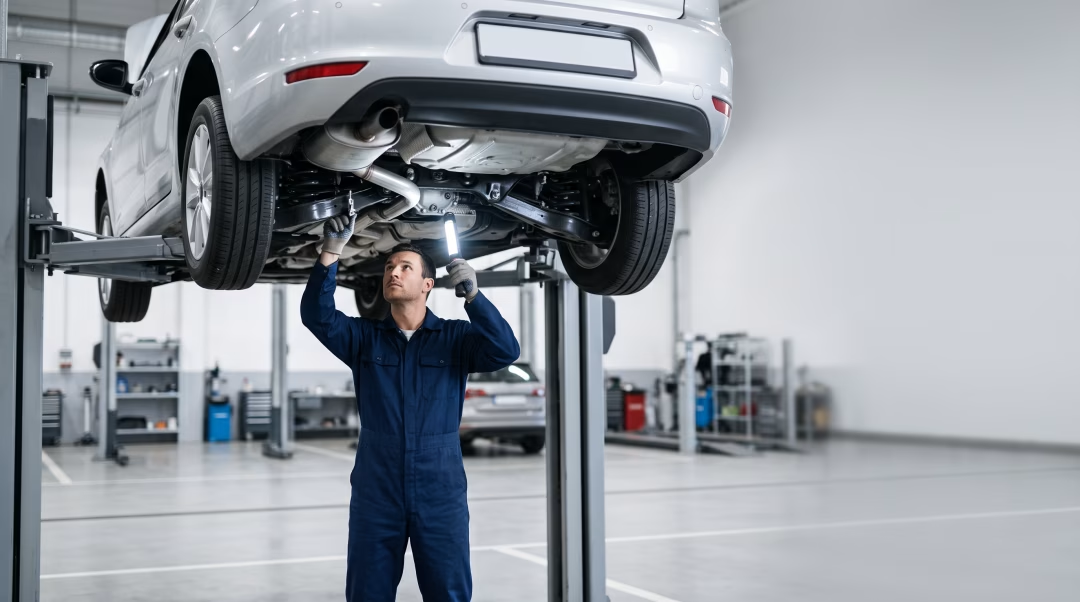
A Deep Dive into Pre-Purchase Inspections
When you are navigating the world of pre-owned vehicles, knowledge is your most powerful asset. While vehicle history reports and test drives are essential parts of the process, they do not tell the whole story. A pre-purchase inspection (PPI) is a critical step that bridges the gap between what you can see and what might be hidden. It involves hiring a trusted, third-party mechanic to perform a comprehensive evaluation of a vehicle *before* you finalize the purchase. This is not the same as a state-mandated safety inspection; a PPI is far more detailed and is performed solely for your benefit as the potential buyer. The goal is to provide an impartial assessment of the car's condition, from the engine and transmission to the frame integrity and electronic systems, so you can avoid costly surprises down the road.
Why a PPI is a Non-Negotiable Step for Smart Buyers
The primary reason to get a PPI is to protect yourself from unforeseen repair bills. A used car sold as-is means you are accepting the vehicle in its current state, including any and all existing or future faults. A PPI can uncover issues like developing transmission problems, hidden frame damage from a past accident, or failing electronic components that could cost thousands to fix. Discovering these issues beforehand gives you several options. You can use the mechanic's report as a powerful negotiation tool to ask for a lower price to cover the cost of repairs. Alternatively, if the problems are too severe or costly, it gives you the clear evidence you need to walk away from the deal and continue your search for a better vehicle. It is about making a decision based on facts, not just appearances.
What Does a Pre-Purchase Inspection Checklist Include?
A comprehensive PPI is a bumper-to-bumper examination. While the exact checklist can vary slightly between mechanics, a thorough inspection should always cover these key areas:
- Mechanical and Engine Compartment: The mechanic will check for fluid leaks, inspect belts and hoses for wear, assess the battery's health, and look for signs of poor maintenance or engine trouble.
- Transmission and Drivetrain: This includes checking the transmission fluid, listening for unusual noises during operation, and ensuring smooth shifting between gears.
- Brakes and Suspension: The inspection covers the condition of brake pads, rotors, and lines, as well as shocks, struts, and other suspension components that affect ride quality and safety.
- Tires and Wheels: The mechanic will evaluate tire tread depth, check for uneven wear patterns that could indicate alignment issues, and inspect the wheels for damage.
- Frame and Body: This is a crucial check for evidence of past accidents. The inspector will look for inconsistent paint, gaps in body panels, and any signs of frame damage or rust.
- Interior and Electronics: The inspection confirms that all lights, gauges, windows, locks, air conditioning, and infotainment systems are functioning correctly.
- Diagnostic Scan: The mechanic will plug a scanner into the vehicle's computer to check for any stored trouble codes that might not be triggering a warning light on the dash yet.
- Road Test: A professional road test, different from your own, allows the mechanic to assess the vehicle's performance under various conditions, listening for noises and feeling for issues you might miss.
Arranging and Understanding Your Inspection
Arranging a PPI is a straightforward process. First, find a reputable local mechanic or a specialized inspection service that you trust—not one recommended by the seller, to maintain impartiality. Once you have found a vehicle in our used inventory that you are serious about, let us know you would like to arrange an inspection. We are happy to coordinate with your chosen mechanic to make the vehicle available. The buyer typically pays for the inspection, with costs generally ranging from $100 to $250, depending on the depth of the review. After the inspection, you will receive a detailed report. Go over it carefully with the mechanic. Ask them to categorize their findings: what needs immediate attention, what can be addressed later, and what is considered normal wear and tear for a car of its age and mileage. This context is key to making your final decision.
Peace of Mind is the Ultimate Return on Investment
While no used car is perfect, a pre-purchase inspection helps you understand exactly what you are buying. It separates routine maintenance needs from major, deal-breaking flaws. Even if the inspection comes back clean, the money is well spent for the confirmation that you are making a solid purchase. At our dealership, we want our customers to feel completely confident in their choice. We support the PPI process because it fosters transparency and trust. When you are ready to find your next vehicle and explore your financing options, our team is here to help. You can even get pre-qualified online to streamline your visit. The goal is not just to sell you a car, but to help you buy the right car with total peace of mind.
How much does a pre-purchase inspection usually cost?
The cost for a pre-purchase inspection typically ranges from $100 to $250. The final price can depend on the type of vehicle (a complex luxury car or truck may cost more) and the thoroughness of the inspection performed by the mechanic.
Who is responsible for paying for the PPI?
The potential buyer is almost always responsible for paying for the pre-purchase inspection. It is considered part of the buyer's due diligence, as the inspection is being performed for their benefit and peace of mind.
Can I just perform the inspection myself?
While you should always perform your own visual check and test drive, it is not a substitute for a professional PPI. A qualified mechanic has the tools, equipment (like a vehicle lift), and experience to spot issues that are easily missed by an untrained eye, such as frame damage or subtle engine noises.
What should I do if the seller or dealership will not allow a PPI?
If a seller refuses to allow an independent inspection, it should be considered a major red flag. A reputable seller or dealership with confidence in their vehicles should have no issue with an inspection. A refusal often suggests they may be trying to hide something, and it is usually best to walk away from the deal.
If a car has a new state inspection sticker, do I still need a PPI?
Yes, you absolutely should. A state safety inspection is a basic check of essential safety items required by law and is not nearly as comprehensive as a PPI. It will not check for major mechanical issues, fluid leaks, or the overall health and expected longevity of the engine and transmission.
