

What Does Liability-Only Car Insurance Cover
and Is It Right for You?
Understanding car insurance is a critical part of owning a vehicle, especially when navigating the roads in Texas. One of the most common types of coverage you will encounter is liability-only insurance. This is the most basic level of protection you can purchase and is designed to meet the state's minimum financial responsibility laws. But what does it actually do? In simple terms, liability insurance covers damages to other people and their property if you are found to be at fault in an accident. It pays for their medical bills, lost wages, and vehicle repairs, protecting you from significant out-of-pocket legal and financial responsibility. However, it is crucial to recognize that this policy does not cover any damages to your own vehicle or your own injuries. It is purely focused on the harm caused to others, making it a key consideration when balancing budget and risk.
Choosing the right insurance is just as important as choosing the right car. While liability-only coverage satisfies legal requirements and can be a cost-effective option for certain vehicles, it leaves you financially exposed if your own car is damaged or stolen. For vehicles that are financed, lenders will almost always require more comprehensive protection to safeguard their investment. Understanding this distinction is key to making a smart financial decision and ensuring you are adequately protected for any situation you might encounter on the road.
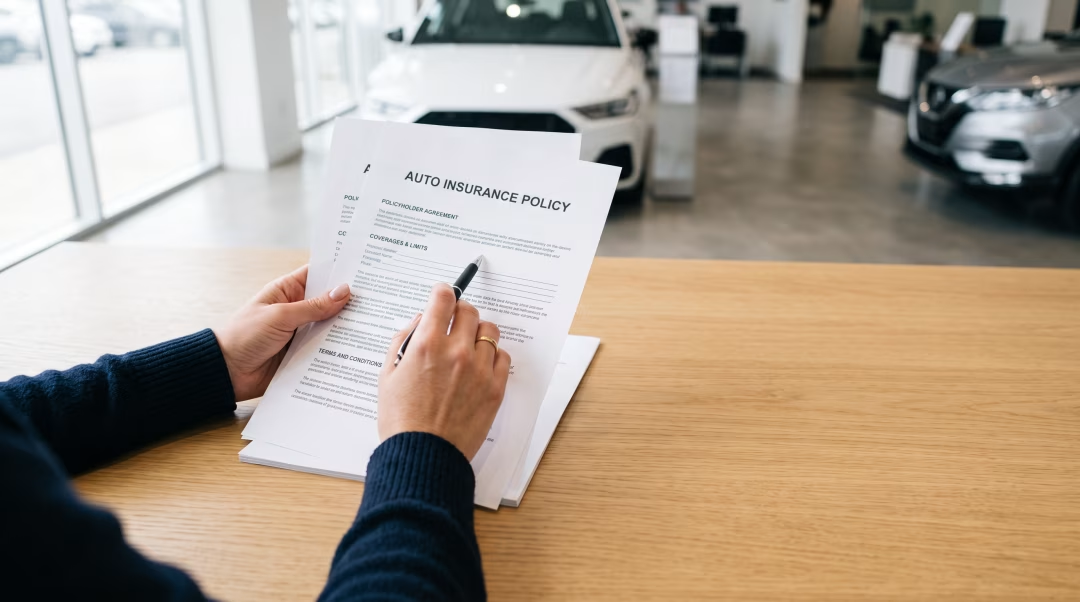
A Deep Dive into Liability-Only Insurance Coverage
When you purchase auto insurance, you are essentially creating a financial safety net. The most fundamental layer of that net is liability coverage. It is not designed to fix your car or pay for your hospital stay; its sole purpose is to cover the costs associated with damages or injuries you cause to another party in an at-fault accident. Nearly every state, including Texas, legally requires drivers to carry a minimum amount of liability insurance to operate a vehicle on public roads. Let's break down the two primary components that make up a liability-only policy.
Bodily Injury Liability (BI)
Bodily Injury Liability is the portion of your insurance policy that addresses the physical harm caused to other people. If you are responsible for a collision, this coverage steps in to pay for the other party's expenses. It is typically represented by two numbers in your policy details, such as 30/60. This translates to $30,000 of coverage per person injured, with a maximum of $60,000 for all injuries in a single accident. The specific expenses covered can include:
- Medical and hospital bills for the other driver and their passengers.
- Lost wages if their injuries prevent them from working.
- Legal fees if the injured party decides to sue you over the accident.
- Pain and suffering compensation in some cases.
- Funeral expenses in the most tragic circumstances.
It is vital to understand that BI coverage does not cover your own injuries or those of your passengers. Your personal medical costs would need to be covered by your health insurance or a separate part of an auto policy called Personal Injury Protection (PIP) or Medical Payments (MedPay) coverage.
Property Damage Liability (PD)
Property Damage Liability works alongside BI to cover the costs of damaging someone else's property with your vehicle. The most common example is paying for repairs to the other person's car. However, it extends beyond just other vehicles. This coverage can also pay for damages to:
- Buildings, such as a storefront or house.
- Stationary objects like fences, mailboxes, or light poles.
- Other personal property involved in the accident.
In your policy details, PD is the third number you will see. For example, a policy listed as 30/60/25 means you have $25,000 in property damage coverage per accident. Again, this coverage does not pay for any damage to your own car. If you are at fault, the cost to repair or replace your vehicle comes directly out of your own pocket.
What is Not Covered by Liability-Only Insurance?
Understanding the exclusions is just as important as knowing what is covered. A liability-only policy leaves significant gaps in your financial protection. The primary things it will not cover are costs related to you and your vehicle. This includes:
- Repairs to Your Vehicle: Whether from an accident you caused, a single-car incident, or an unknown cause, you are fully responsible for your own repair bills.
- Total Loss of Your Vehicle: If your car is declared a total loss after an at-fault accident, liability insurance provides no funds to help you replace it.
- Theft or Vandalism: If your car is stolen or intentionally damaged, a liability-only policy offers no coverage.
- Weather-Related Damage: Events like hail storms, flooding, or falling trees are not covered.
- Your Own Medical Bills: As mentioned, your injuries are not covered by your liability insurance.
To cover these scenarios, you would need to add other types of coverage to your policy, such as Collision and Comprehensive. Together with liability, these are often referred to as what is full coverage car insurance.
Liability Insurance and Your Car Loan
This is an extremely important point for anyone looking to finance a used car. If you have a loan on your vehicle, your lender has a financial interest in it. They want to protect their asset. For this reason, nearly all financing agreements include a clause that requires you to maintain not just liability insurance, but also Collision and Comprehensive coverage for the duration of the loan. This is because financed cars require full coverage to protect the lender’s investment. If the car is totaled or stolen, the lender wants to ensure the insurance payout is there to cover the remaining loan balance. Carrying only liability on a financed vehicle is a violation of most loan agreements and could lead to serious consequences, including the lender purchasing expensive force-placed insurance and adding the cost to your loan.
When Does Liability-Only Make Sense?
Despite its limitations, there are situations where a liability-only policy is a logical and financially sound choice. It often comes down to the value of your vehicle versus the cost of the insurance. Consider this option if:
- Your Vehicle is Paid Off: Once you own your car outright, you are free to choose your level of coverage.
- Your Car Has a Low Market Value: If your car is older and its value is low, the annual cost of full coverage could be a significant percentage of what the car is worth. You might decide it is better to save that money for a potential repair or replacement. Deciding if an is a 10 year old car still a good buy can play a role in this choice.
- You Have a Robust Emergency Fund: If you can comfortably afford to repair or replace your vehicle out-of-pocket without causing financial hardship, the risk of forgoing full coverage is lower.
- You Are on a Strict Budget: Sometimes, meeting the legal minimum is all that is feasible. While risky, it is always better than driving uninsured. Careful budgeting, like learning how to build a car budget on an hourly wage, is essential in this scenario.
Ultimately, the decision to carry liability-only insurance is a personal one that involves weighing the premium savings against the potential for a large, uncovered expense. Before making a final choice, get quotes for different levels of coverage and honestly assess your financial ability to handle a worst-case scenario. For help navigating your options, do not hesitate to contact us. Our team is here to assist you through every step of the car-buying process, including understanding your responsibilities as a vehicle owner.
Does liability insurance cover my car if I am at fault in an accident?
No, liability insurance does not cover damages to your own vehicle or your own injuries if you are at fault. It is specifically designed to cover the costs of bodily injury and property damage you cause to others.
Is liability-only insurance enough to drive legally in Texas?
Yes, as long as your liability-only policy meets or exceeds the state's minimum coverage requirements, it is sufficient to legally operate a vehicle in Texas. The current minimums are often referred to as 30/60/25.
If my car is financed, can I choose liability-only insurance?
Typically, no. Lenders and financing companies almost universally require borrowers to maintain both Collision and Comprehensive (full coverage) insurance for the entire term of the loan to protect their financial investment in the vehicle.
What happens if the other driver's damages exceed my liability limits?
If the costs for the other party's medical bills or property damage are higher than your policy limits, you could be held personally and financially responsible for the remaining amount. The other party could sue you to recover the difference.
Does liability insurance cover a rental car after an accident I caused?
No, liability-only insurance does not include coverage for a rental car. That type of expense is typically covered by an optional add-on to your policy, often called rental reimbursement coverage, which is usually purchased alongside collision coverage.
