

What to Know Before Buying
a Used Electric Vehicle in Texas
The electric vehicle revolution is charging through the Lone Star State, and savvy Texas drivers are discovering the incredible value of pre-owned EVs. Opting for a used electric car offers a fantastic opportunity to enjoy cutting-edge technology, instant torque, and zero tailpipe emissions without the new-car price tag. As gas prices fluctuate, the appeal of plugging in at home and waking up to a full "tank" every morning is stronger than ever. However, buying a used EV in Texas comes with its own unique set of considerations, from the impact of our famous summer heat on battery health to navigating the state's growing charging infrastructure. This guide is designed to empower you with the essential knowledge you need to confidently find the perfect used electric vehicle for your lifestyle, ensuring your transition to electric driving is both smooth and rewarding.
Making an informed decision is the key to a great ownership experience. Understanding the nuances of battery health, real-world range, and available charging options will help you select a vehicle that seamlessly fits your daily commute and weekend adventures. By doing your homework, you can take full advantage of the savings and performance that a used EV provides. Our team is here to help you navigate the process, from exploring financing options to finding the right model in our inventory.
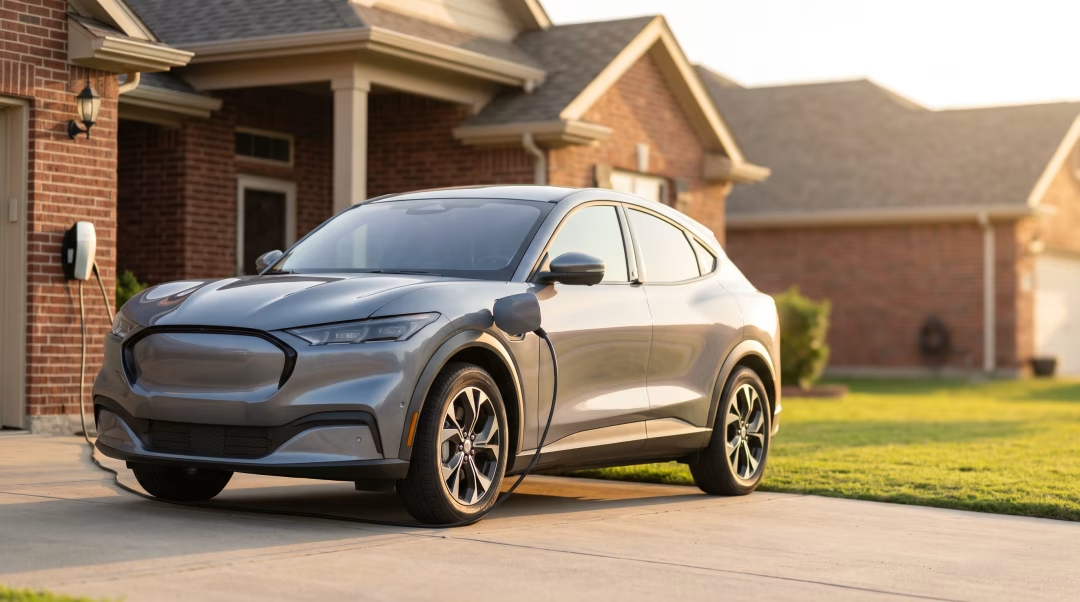
The Ultimate Guide to Purchasing a Pre-Owned EV in Texas
Texas is a state of vast distances, powerful sun, and independent spirit, which makes choosing the right vehicle crucial. As electric vehicles become more common on our highways, the used market is blossoming. A pre-owned EV can be a brilliant investment, but it requires a slightly different approach than buying a traditional gasoline-powered car. Let's break down the critical factors every Texan should consider.
Battery Health: The Heart of Your EV
The single most important component of any electric vehicle is its high-voltage battery pack. Unlike an engine that can be rebuilt, the battery is the primary determinant of the car's range, performance, and long-term value. Over time, all batteries experience some level of degradation, which means their ability to hold a full charge diminishes. The key is to understand a specific vehicle's battery "State of Health" (SOH).
SOH is typically expressed as a percentage of the battery's original capacity. A vehicle with 90% SOH, for example, will have about 10% less range than it did when it was new. The intense Texas heat can accelerate battery degradation if the vehicle is not properly cared for. EVs with advanced liquid-cooling thermal management systems tend to fare much better in our climate. When looking at a used EV, it is critical to get a battery health report. Some vehicles display this information directly in their settings, while others may require a diagnostic tool or a visit to a qualified technician to get an accurate reading.
Real-World Range and Charging in the Lone Star State
Forget the sticker numbers for a moment. The advertised EPA range is a great starting point, but your actual mileage will vary. Driving habits, terrain, and especially climate play a huge role. Running the air conditioning on full blast during a Dallas summer day will consume more energy and reduce your range. Similarly, frequent, rapid acceleration will drain the battery faster than smooth, steady driving. Before you schedule a test drive, consider your daily commute and typical travel patterns.
Charging is the other side of the range coin. While Texas's public charging network is expanding rapidly along major corridors like I-35 and I-10, the most convenient and cost-effective way to live with an EV is to have a home charging solution.
- Level 1 Charging: This uses a standard 120-volt wall outlet. It is very slow, adding only 3-5 miles of range per hour, but it is a viable option for plug-in hybrids or if you drive very little.
- Level 2 Charging: This uses a 240-volt outlet (like an electric dryer) and is the most common home charging setup. It can typically add 20-40 miles of range per hour, fully charging most EVs overnight.
- DC Fast Charging: These are the high-powered stations you find along highways. They can add hundreds of miles of range in under an hour, making them ideal for road trips.
Investigate local utility company rebates for installing a Level 2 charger at your home, as these can sometimes offset the cost. Owning an EV in Texas is far more practical with reliable access to Level 2 charging.
Inspecting a Used EV: What to Look For
A thorough inspection is vital. Beyond the battery, there are several EV-specific items to check. During your evaluation, pay close attention to the regenerative braking system. It should engage smoothly when you lift off the accelerator, helping to slow the car down and recapture energy. Be sure to test the air conditioning and heating systems thoroughly, as they run directly off the high-voltage battery.
Tire wear can also be an indicator of underlying issues. The instant torque of electric motors can be hard on tires, so check for even wear across the tread. Uneven wear could suggest alignment problems, which are a common issue. Check the vehicle's charge port for any signs of damage or excessive wear. Finally, always obtain a comprehensive vehicle history report to check for accidents, title issues, and any history of flood damage, which can be catastrophic for an EV's complex electronics. It is always a good idea to review some tips on what to check on a used car test drive before you arrive at the dealership.
Financing and Ownership Costs
Understanding the total cost of ownership is a key part of the buying process. While the purchase price is one factor, you also need to consider insurance, taxes, and potential maintenance. Insurance rates for EVs can sometimes be higher than for comparable gasoline cars due to specialized repair costs. It is wise to get insurance quotes before you finalize a purchase. When it comes to taxes, you can learn more about how Texas motor vehicle sales tax is calculated on a used car on our research page.
The good news is that maintenance costs are typically much lower. There are no oil changes, spark plugs, or exhaust systems to worry about. The main wear items are tires, brakes (which last longer due to regenerative braking), suspension components, and cabin air filters. Exploring your financing options is a critical step. Our team in our financing area can help you understand the process and find a payment structure that fits your budget. You can even take the first step from home and get pre-qualified online.
With the right information, buying a used EV in Texas can be a fantastic decision that saves you money and modernizes your driving experience. Browse our used inventory to see the latest electric vehicles we have available.
Frequently Asked Questions About Used EVs in Texas
Does the Texas heat really damage EV batteries?
Extreme heat can accelerate the natural degradation process of lithium-ion batteries. However, modern EVs are equipped with sophisticated thermal management systems, often using liquid cooling, to protect the battery pack. The best practice is to avoid leaving the car sitting in direct sun for extended periods and to look for models known for their robust cooling systems. A battery health check is the best way to assess an individual vehicle's condition.
Can I get a tax credit for a used EV in Texas?
Federal tax credits for used electric vehicles are available under certain conditions. The program has specific requirements regarding the vehicle's sale price, model year, and the buyer's income. It is important to check the current IRS guidelines for the Used Clean Vehicle Credit to see if the specific vehicle you are considering and your personal financial situation qualify.
Is the public charging network in Texas reliable for road trips?
The DC fast charging network in Texas has grown significantly, especially along major interstate highways connecting cities like Dallas, Houston, Austin, and San Antonio. While it is becoming much more reliable, planning is still key. It is wise to use apps like PlugShare or A Better Routeplanner to map out charging stops and check their operational status before you depart on a long trip.
What is the biggest maintenance cost on a used EV?
Aside from the potential for a battery replacement far down the line, the most significant regular maintenance cost for a used EV is typically tires. The instant torque from electric motors can cause them to wear more quickly than on a comparable gas-powered car if not driven smoothly. Regular tire rotations and maintaining proper alignment are crucial for maximizing tire life.
How is insuring a used EV different from a gas car in Texas?
Insuring an EV can sometimes be more expensive than a similar internal combustion engine vehicle. This is because the cost to repair or replace specialized components like the battery pack, electric motors, and advanced driver-assistance sensors can be higher. We recommend getting quotes from multiple insurance providers before purchasing to understand the potential cost difference.
