

Why Some Used Cars Hold
Their Value Better Than Others
Have you ever wondered why two similar used cars from the same year can have drastically different price tags? The answer is depreciation, which is the loss of a vehicle's value over time. While every car depreciates, some models hold their value far better than others, making them a smarter long term financial choice. Understanding the factors that contribute to value retention is one of the most powerful tools you can have when shopping for a pre-owned vehicle. Choosing a car that depreciates slowly means you will likely recover more of your initial investment when it is time to sell or trade it in. This can save you thousands of dollars down the road and put you in a better position for your next vehicle purchase. It is not about luck; it is about knowing what to look for.
Knowing that resale value matters is the first step. The next is learning to identify the specific traits that make one used car a more solid asset than another. From the reputation of the manufacturer and the popularity of the body style to its maintenance history and even its color, numerous elements play a role in a car's long term worth. By exploring these factors, you can become a more confident and informed buyer, capable of selecting a vehicle that not only meets your daily needs but also protects your budget.
The Key Factors Influencing a Used Car's Resale Value
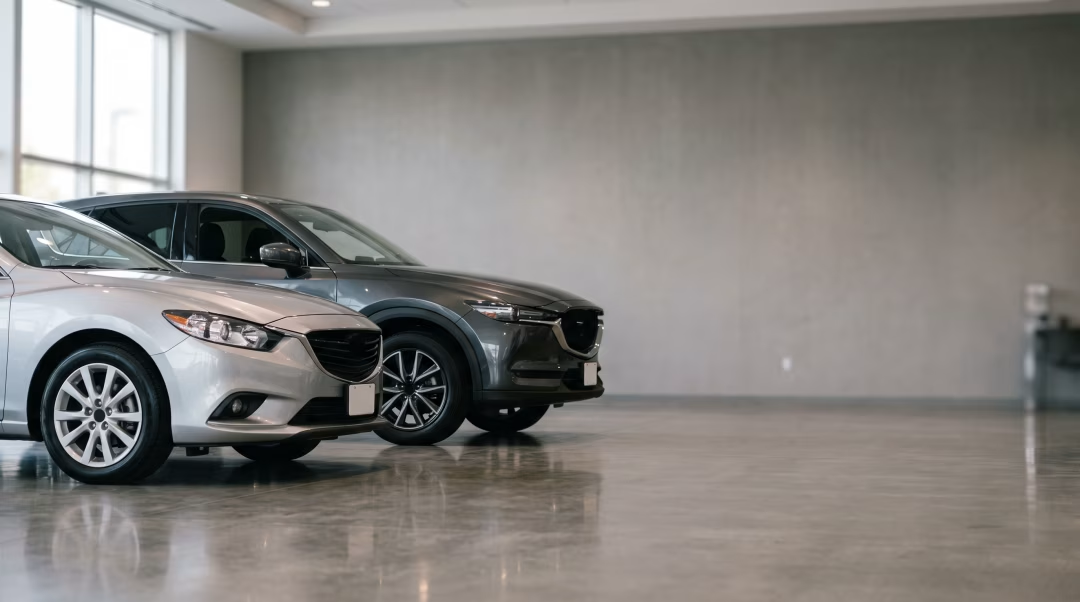
When you drive a new car off the lot, it immediately begins to lose value. This process, known as depreciation, is the single largest cost of owning a vehicle. However, the rate of depreciation varies significantly from one car to another. A vehicle that holds its value well is a better financial asset, which is a crucial consideration when browsing our used inventory. Understanding what separates the vehicles that plummet in value from those that gently decline can transform your car buying experience. Let's delve into the specific details that determine why some used cars are a better investment than others.
Brand Reputation and Reliability
One of the most significant factors in a car's ability to retain value is the manufacturer's reputation for reliability and durability. Brands like Toyota, Honda, and Subaru have built a decades long legacy of producing vehicles that last. Buyers are willing to pay more for a used car from a trusted brand because they associate it with lower long term ownership costs, fewer unexpected repairs, and greater peace of mind. A vehicle with a proven track record for dependability will almost always have a higher resale value than a comparable model from a brand known for mechanical issues. This brand equity is a powerful force in the pre-owned market.
Vehicle Type and Market Demand
The type of vehicle you choose plays a massive role in its future value. In today's market, SUVs and pickup trucks are in high demand due to their versatility, space, and capability. This popularity means they depreciate much more slowly than other body styles. Sedans and hatchbacks, while often more fuel efficient, have seen their demand wane, which negatively impacts their resale value. Minivans hold a niche but steady value for families. Ultimately, supply and demand dictate price, and vehicles in popular segments like used SUVs and used trucks will consistently hold their value better.
Mileage and Condition
This might seem obvious, but it is critical: lower mileage and better condition translate directly to higher value. The average driver in the U.S. puts about 12,000 to 15,000 miles on their car per year. A vehicle with mileage significantly below this average for its age is highly desirable. Beyond the odometer reading, the physical and mechanical condition is paramount.
- Mechanical Fitness: A car with a well-maintained engine and transmission, responsive brakes, and a solid suspension is worth more. Any signs of neglect, such as strange engine noises or warning lights, will drastically lower the value.
- Exterior Appearance: Dents, deep scratches, rust, and faded paint detract from value. A clean, well-kept exterior suggests the owner took pride in the vehicle.
- Interior Quality: The interior should be free of rips, stains, and strong odors like smoke. A clean and tidy cabin indicates that the car was cared for and not abused.
Vehicle History Report
A clean vehicle history report is non-negotiable for a car to command a high resale value. A detailed report shows crucial information that impacts a car's worth. A car with a history of major accidents, even if repaired properly, will be worth less than one with no accident history. A "salvage" or "rebuilt" title is a major red flag that significantly diminishes value, as it indicates the vehicle was once declared a total loss by an insurance company. The number of previous owners can also play a role; a one-owner vehicle is often perceived as being better maintained. You can learn more about what a vehicle history report shows to become a more educated shopper.
Features, Options, and Trim Level
Not all cars are created equal, even within the same model year. Higher trim levels with desirable features will retain their value better than base models. Options that are popular in a specific region, such as All-Wheel Drive (AWD) in areas with harsh winters or a powerful air conditioning system in a hot climate like Texas, add to a car's appeal and value. Other features that positively impact resale value include:
- Sunroof or moonroof
- Leather seats
- Advanced safety features (blind-spot monitoring, forward collision warning)
- Modern infotainment systems with smartphone integration
Color and Fuel Economy
While it may seem superficial, a car's color can affect how quickly it sells and for how much. Neutral colors like white, black, silver, and gray have the broadest appeal and tend to hold their value best. Bright, unconventional colors like lime green or bright orange may appeal to a smaller group of buyers, making them harder to sell and potentially lowering their value. Furthermore, in times of high or volatile gas prices, fuel economy becomes a major selling point. Vehicles that are known for being fuel efficient, including hybrids, often see a surge in demand and hold their value exceptionally well. To see some great examples, check out some of the best used cars for good gas mileage in Texas.
Maintenance Records
A complete and documented service history is one of the best ways to prove a vehicle has been properly cared for. A stack of receipts for regular oil changes, tire rotations, and other scheduled maintenance shows a prospective buyer that the previous owner was diligent. This documentation provides confidence that the vehicle is in good mechanical shape, which makes buyers willing to pay a premium. When it comes time to part with your car, this record will be a key factor in how your trade-in value is calculated.
Choosing a used car is a significant decision. By focusing on models with a reputation for reliability, in-demand body styles, and a history of proper care, you are not just buying transportation; you are making a smarter financial move. Take your time, do your research, and select a vehicle that will serve you well both on the road and when it is time for an upgrade.
Which car brands generally have the best resale value?
Historically, brands like Toyota, Honda, and Subaru consistently rank at the top for holding their value. This is largely due to their reputation for exceptional reliability, durability, and lower long term maintenance costs, which makes them highly sought after in the used car market.
How much does mileage affect a used car's value?
Mileage is one of the most critical factors. A car's value typically decreases with every mile driven. The national average is around 12,000 to 15,000 miles per year, so a vehicle with significantly lower mileage for its age will command a much higher price than a comparable high mileage vehicle.
Do car colors really impact resale value?
Yes, car color does have an impact on resale value. Neutral colors such as white, black, gray, and silver have the widest appeal and tend to sell faster and for more money. Bold or niche colors like bright yellow or purple appeal to a smaller audience, which can make the car harder to sell and may slightly lower its value.
Is an older luxury car with low miles a good value?
It can be, but it requires careful consideration. While the initial purchase price might be attractive, older luxury cars can have very expensive repair and maintenance costs. Even with low mileage, age can take a toll on complex electronic systems and components. While they may have held their value better than some cars, their long term cost of ownership can be high.
How can I check a used car's history before buying?
The best way to check a car's history is by obtaining a Vehicle History Report (VHR) from a service like CarFax or AutoCheck. Using the car's Vehicle Identification Number (VIN), these reports provide valuable information about past accidents, title issues (like salvage or flood damage), service records, and the number of previous owners.
