

How Often Should You
Replace Wiper Blades in Texas?
In Texas, clear visibility is not just a convenience; it is a critical safety component for every driver. The state's famously unpredictable weather can shift from scorching, sun-baked afternoons to sudden, torrential downpours in a matter of minutes. This makes your vehicle's wiper blades one of its most important, yet often overlooked, parts. The standard advice of replacing them every six to twelve months often falls short for Texas drivers. The relentless UV rays, high heat, and abrasive dust common across the Lone Star State can cause the rubber on your blades to degrade, crack, and harden much faster than in milder climates. Waiting until you are caught in a blinding rainstorm on I-35 is not the time to discover your wipers are smearing instead of clearing. Understanding the unique demands of our climate is key to knowing the right replacement schedule for your car, truck, or SUV, keeping you and your family safe on the road.
Maintaining your vehicle is about more than just major repairs; it is the small details that contribute to overall safety, reliability, and value. Functional wiper blades are a perfect example of an inexpensive maintenance item that plays a huge role in your driving confidence. Proactively replacing them before they fail not only prepares you for any weather but also helps protect your windshield from scratches caused by worn-out blades. This kind of diligent care helps preserve your vehicle's condition, which is important when you consider its future value my trade potential.
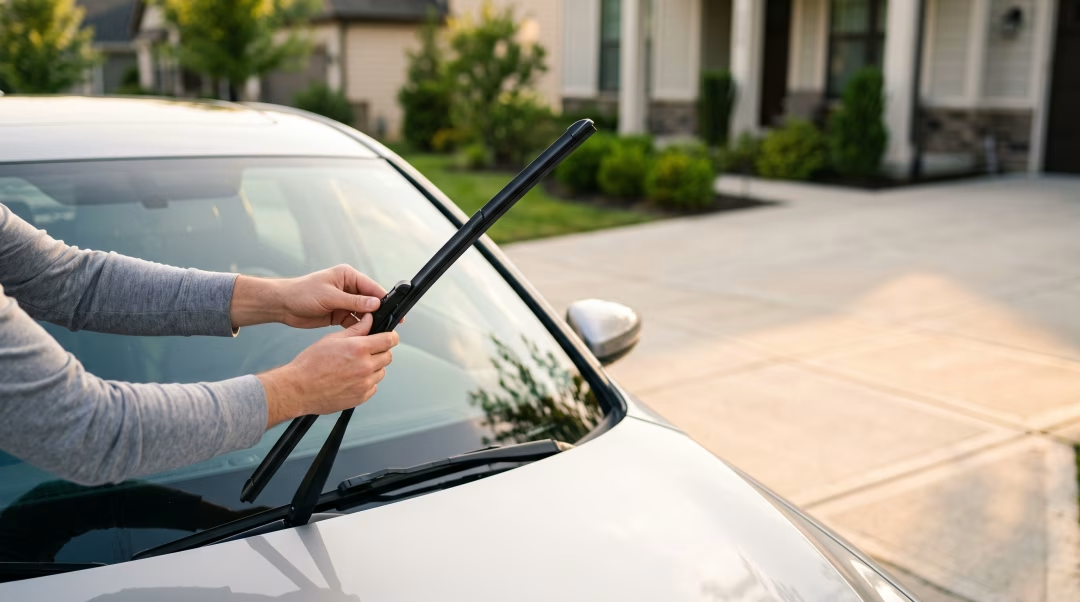
A Deep Dive into Wiper Blade Lifespan in the Lone Star State
The life of a wiper blade is a constant battle against the elements, and in Texas, those elements are particularly harsh. While a general guideline is helpful, a Texas-specific approach is necessary for optimal performance and safety. The factors that accelerate wear and tear here are numerous and demand a more vigilant replacement strategy.
Why Texas Weather is a Wiper Blade's Worst Enemy
Several environmental factors unique to our region conspire to shorten the effective lifespan of your wiper blades. Understanding these challenges helps clarify why a simple time-based replacement schedule might not be sufficient.
- Intense UV Radiation: The Texas sun is relentless. Prolonged exposure to ultraviolet rays breaks down the chemical compounds in the rubber squeegee, causing it to lose flexibility and become brittle. A hardened blade cannot conform to the curve of your windshield, leading to missed spots and ineffective wiping.
- Extreme Heat: Parking on asphalt in a Dallas summer can expose your vehicle to surface temperatures well over 150 degrees. This extreme heat can warp the plastic frame of the wiper and bake the rubber insert, causing it to crack and split. This is similar to how the summer heat can dramatically shorten your vehicle's battery life, a topic we explore more in our guide on how does Dallas summer heat affect your car battery.
- Abrasive Dust and Grime: From West Texas dust storms to urban pollution and road grime, a film of abrasive particles often settles on your windshield. Activating your wipers without properly cleaning the glass first can drag these particles across the surface, not only damaging the delicate edge of the blade but also potentially creating micro-scratches on the glass itself.
- Violent Storms: When it rains in Texas, it often pours. Sudden, heavy downpours, sometimes accompanied by hail, demand that your wipers perform flawlessly at high speeds to clear sheets of water. A worn or failing blade simply cannot keep up, drastically reducing visibility when you need it most.
Clear Signs Your Wiper Blades Need Replacing
Instead of relying solely on the calendar, learn to recognize the physical and performance-based signs of failing wiper blades. If you notice any of the following, it is time for a new set, regardless of how long the old ones have been on the vehicle. This is a critical check you should always perform, much like the other points in our guide on what to check on a used car test drive.
- Streaking: The blade leaves behind lines or streaks of water, indicating a hardened or dirty squeegee edge.
- Chattering or Squeaking: The blade skips or judders across the windshield instead of gliding smoothly. This is often caused by a hardened rubber blade that has lost its flexibility or a bent wiper arm.
- Smearing: Instead of clearing water, the blade creates a hazy film that can be especially dangerous at night when facing oncoming headlights.
- Visible Damage: A quick physical inspection reveals cracked, torn, or split rubber. You might also see that the squeegee is peeling away from the blade frame.
- Poor Windshield Contact: Certain areas of the blade lift off the windshield during the wipe cycle, leaving large patches of uncleared water. This can be caused by a weak or bent frame.
Choosing the Right Wiper Blades for Texas Drivers
Not all wiper blades are created equal. Investing in a quality set designed to withstand harsh conditions can make a significant difference. For Texas drivers, beam or hybrid style blades are often a better choice than conventional ones. Beam blades have a one-piece design that applies more uniform pressure and are more resistant to wind lift at highway speeds. Silicone blades also offer a distinct advantage over traditional rubber. They are far more resistant to UV degradation and extreme temperatures, often lasting two to three times longer in the Texas sun, making them a wise investment for anyone, especially those who spend a lot of time on the road. Finding the right parts contributes to the overall goal of how to keep an older car running longer.
Frequently Asked Questions About Wiper Blades
How often should I really replace my wipers in the Dallas-Fort Worth area?
Given the combination of intense sun, heat, and seasonal storms in North Texas, a good rule of thumb is to inspect your blades every four to six months. You will likely need to replace them at least once a year, with many drivers finding a twice-a-year replacement (in the spring before storm season and in the fall) works best for optimal visibility.
Can I just replace the rubber insert instead of the whole blade?
While some older, conventional wiper blades allow for the replacement of just the rubber refill, most modern beam and hybrid blades are designed as a single, integrated unit. Replacing the entire blade assembly is typically easier and also addresses potential wear and tear on the frame and connectors, which is also important for performance.
Are expensive wiper blades really better for Texas weather?
In this case, you often get what you pay for. Higher-end blades, especially those made from silicone or with advanced beam designs, genuinely perform better and last longer in harsh climates. Their superior resistance to heat and UV radiation means they maintain their flexibility and effectiveness longer than standard rubber blades, making them a worthwhile safety investment.
Does using Rain-X or other windshield treatments affect wiper blade life?
Windshield treatments that repel water can be very effective and may reduce how often you need to use your wipers on high settings. However, it is crucial to apply them correctly. A poorly applied or old coating can cause smearing or chattering. Generally, these treatments do not harm quality blades and can actually complement their performance by making their job easier.
Why are my brand-new wiper blades skipping or chattering?
If new blades are chattering, the issue is often not the blade itself. The most common causes are a dirty or contaminated windshield, a bent wiper arm that is not holding the blade at the correct angle to the glass, or leftover residue from an old wax-based washer fluid. Start by giving your windshield a thorough cleaning with rubbing alcohol or a glass cleaner before investigating the wiper arm's condition.
Should I replace my rear wiper blade as often as the front ones?
Yes, the rear wiper is exposed to the same sun and heat as the front blades. While it is used less frequently, the rubber still degrades over time. It is easy to forget about the rear wiper until you desperately need it to see while backing up in a storm. It is a good practice to inspect and replace it on the same schedule as your front wipers to ensure it is ready when you need it.
Ultimately, your wiper blades are a small investment in your safety. By understanding the unique challenges of the Texas climate and learning to spot the signs of wear, you can make informed decisions about when to replace them. Do not wait for a storm to tell you it is time. Check your blades regularly and replace them with a quality set to ensure you always have a clear view of the road ahead. If you have more questions or need help with any part of your vehicle, please feel free to contact us or browse our used inventory for your next reliable vehicle.
