

How to Check for Oil
Leaks on a Used Car
Why Checking for Oil Leaks is a Critical Step
When inspecting a used car, one of the most important checks you can perform is looking for oil leaks. A small, dark puddle on the ground or a grimy film on the engine might seem minor, but it can be a sign of anything from a simple, inexpensive fix to a serious, wallet-draining mechanical issue. Engine oil is the lifeblood of a vehicle, responsible for lubricating moving parts, cleaning components, and preventing overheating. An active leak means the car is losing this vital fluid, which could lead to catastrophic engine damage if left unaddressed. Taking a few minutes to carefully inspect for leaks before you buy gives you valuable insight into the car's maintenance history and overall condition. This knowledge empowers you to either negotiate a better price or walk away from a potentially unreliable vehicle, saving you from headaches and costly repairs down the road.
Learning how to spot the signs of an oil leak is a skill that serves any car buyer well. It transforms you from a hopeful shopper into an informed inspector, giving you more confidence during your search. While this guide provides the essential steps for your own evaluation, it is also helpful to know that every vehicle in our used inventory undergoes a thorough inspection process. We believe in transparency and helping our customers find a reliable vehicle that fits their needs and budget. Let's dive deeper into the specific techniques for identifying oil leaks.
A Comprehensive Guide to Spotting Oil Leaks
An oil leak can seem intimidating, but you do not need to be a certified mechanic to spot the most common warning signs. It is all about knowing where to look and what to look for. This detailed guide will walk you through a systematic process for checking any used car, helping you identify potential issues before you commit to a purchase.
Simple Tools for Your Inspection
You can perform a solid initial inspection with just a few basic items. Having these on hand will make the process much easier and more effective:
- A bright flashlight (a phone flashlight works in a pinch)
- A clean white paper towel or rag
- Disposable gloves to keep your hands clean
- A small extendable mirror (optional, but very helpful)
The Visual Inspection: A Step-by-Step Process
A methodical approach is the best way to avoid missing anything. Start from the outside and work your way in. For safety, always perform these checks when the engine is cool and the car is parked on a level surface.
1. Start with the Ground
The most obvious clue is often right under the car. Look at the pavement or ground where the vehicle has been parked. Are there any fresh, dark puddles or stains? Keep in mind that a car might have been moved to hide a leak, so this check is not definitive, but it is a great starting point. Condensation from the air conditioner can leave a small puddle of clear water, which is normal. Oil will be black or brown and feel slick to the touch.
2. Pop the Hood: A Look Inside the Engine Bay
This is where your flashlight becomes essential. Shine it all around the engine, looking for areas that appear wet, grimy, or covered in a thick layer of oily dirt. A little dust is normal, but a heavy buildup of greasy gunk often accumulates where oil is slowly seeping out. Pay close attention to the following common leak points:
- The Valve Cover Gasket: This is a seal located at the very top of the engine. It is one of the most common leak spots. Look for oil residue running down the sides of the engine block from the top edge.
- The Oil Filter and Drain Plug: Look underneath the car at the oil pan (a metal basin at the bottom of the engine). Check the oil filter (a small canister) and the drain plug (a single bolt on the pan) for any drips. A leak here could be as simple as a component that was not tightened properly during the last oil change.
- The Oil Pan Gasket: This seal sits between the oil pan and the engine block. Leaks here will be visible around the seam of the pan.
- Crankshaft and Camshaft Seals: These seals are located at the front and back of the engine. A leak from the front seal will cause oil to appear behind the main engine pulleys. A leak from the rear main seal is much harder to see, as it is between the engine and transmission, but it is also one of the most expensive to repair.
3. Check the Dipstick
Pull the engine oil dipstick out, wipe it clean with your paper towel, reinsert it fully, and pull it out again. First, check the level. If it is very low, it could indicate that the car is burning oil or has a significant leak. Next, look at the condition of the oil on the stick. It should be a shade of brown or black. If it looks milky or frothy, like a coffee milkshake, this is a major red flag that could mean coolant is mixing with the oil due to a severe engine problem like a blown head gasket.
The Test Drive Is Crucial
Some leaks only appear when the engine is hot and the oil is under pressure. A thorough test drive of at least 15-20 minutes is essential. After the drive, park the car on a clean patch of pavement and let it run for a minute or two. Then, turn it off and check underneath for any new drips. You should also pop the hood again to see if any new wet spots have appeared. A burning oil smell during or after the test drive is another sign that oil is dripping onto hot exhaust components. If you are interested in a vehicle, you can always schedule a test drive with our team.
Found a Leak? What Now?
If you find evidence of a leak, do not panic immediately. You need to assess its severity. A minor "seep," where an area is damp and grimy but not dripping, might be acceptable on an older, high-mileage vehicle. However, an active drip that leaves a puddle on the ground is a more pressing concern. The location also matters greatly. A leaking valve cover gasket is a relatively straightforward and inexpensive repair, while a leaking rear main seal can cost over a thousand dollars to fix because it requires removing the entire transmission. A leak can be a powerful point for discussion, and you can learn more about how to negotiate price, but be prepared to walk away if the problem seems too severe.
The Professional Opinion: Pre-Purchase Inspections
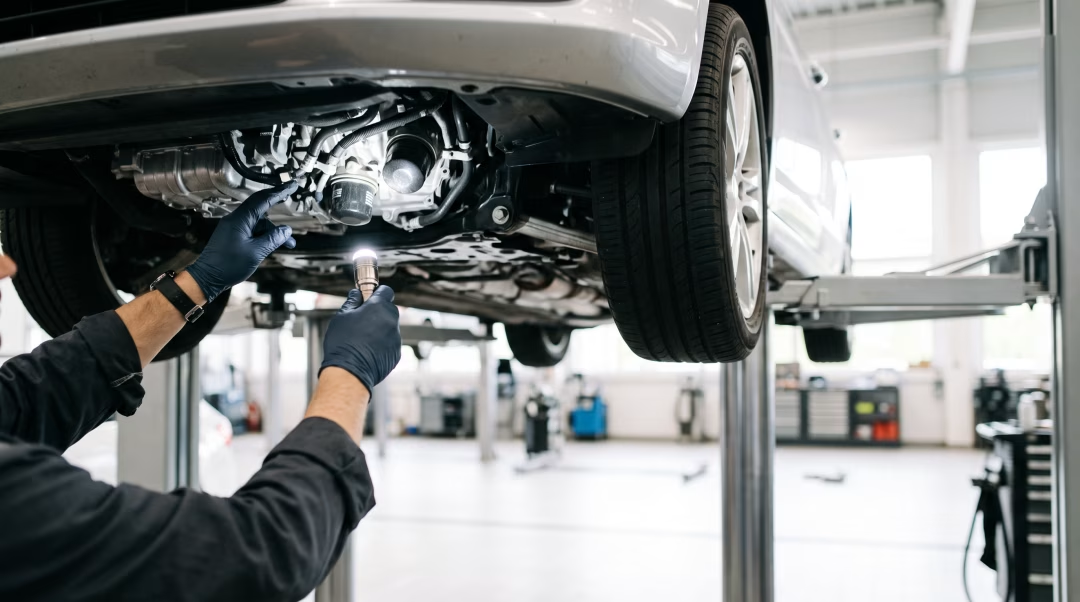
While your own inspection is valuable, nothing beats a professional evaluation. We always recommend that buyers consider a pre-purchase inspection (PPI) from a qualified, independent mechanic. A mechanic can put the car on a lift for a much better view of the undercarriage and can use their experience to identify the source and severity of any leaks. This small investment can provide significant peace of mind and is one of the smartest steps you can take, as outlined in our guide about if you should get a pre purchase inspection on a used car.
Is a small oil leak a big deal on a used car?
It depends on the source and the rate of the leak. A very slow seep from a valve cover gasket on a car with 150,000 miles might not be an immediate crisis. However, any active drip that leaves spots on the ground should be taken seriously, as it can quickly lead to low oil levels and potential engine damage. The location is key; some leaks are cheap to fix, while others are extremely expensive.
Can a seller or dealer hide an oil leak?
It is possible for someone to clean the engine bay thoroughly to temporarily hide evidence of a leak. This is why a proper test drive is so important. Driving the car for 15-20 minutes gets the engine hot and builds up pressure, which will often cause a concealed leak to reappear. Always re-check under the hood and on the ground after your test drive.
How much does it cost to fix a common oil leak?
Costs can vary dramatically. A new oil drain plug washer might cost less than a dollar, while replacing a valve cover gasket could cost a few hundred dollars. On the other end of the spectrum, repairing a rear main seal leak can easily exceed $1,000 because of the extensive labor required to access the part.
Does a very clean engine bay mean there are no leaks?
Not necessarily. While a clean engine is often a sign of a well-maintained vehicle, an engine that looks unusually pristine or "steam-cleaned" could be a red flag. It might have been deliberately cleaned to wash away evidence of oil or other fluid leaks. Be extra vigilant and perform a thorough test drive if the engine looks too clean for the car's age and mileage.
What is the difference between oil seepage and an active leak?
Seepage is a very slow leak that does not typically result in drips. It usually appears as a damp, grimy film on the engine surface where the oil has attracted dirt and dust over time. An active leak is more severe, characterized by wet, fresh-looking oil and drips that fall to the ground, forming puddles or spots.
