

How to Check Your Car
Fluids at Home: A Complete Guide
Understanding how to check your car fluids at home is one of the most empowering skills you can develop as a vehicle owner. Your car relies on several essential fluids to run smoothly, from the engine oil that lubricates moving parts to the coolant that prevents overheating. Performing these simple checks yourself, right in your own driveway, can save you money and help you spot potential problems before they become expensive repairs. A quick, monthly inspection takes only a few minutes but provides incredible insight into your vehicle's health. This proactive approach not only extends the life of your car but also helps maintain its value over time. Taking an active role in your vehicle's basic upkeep ensures you are always driving a safer, more reliable car. It is a fundamental part of responsible car ownership that puts you in the driver's seat of your maintenance schedule.
Making fluid checks a regular part of your routine helps you build confidence and a deeper understanding of how your vehicle operates. Knowing the condition of your oil, coolant, and other vital fluids means fewer surprises on the road and more informed conversations when you do need professional service. A vehicle with a clear history of regular upkeep is not just more dependable for your daily commute; it is also a more valuable asset. When the time comes to consider your next vehicle, you will be glad you invested a few minutes each month. Explore our used inventory to see cars that have been carefully inspected by our team.
Your Step-by-Step Guide to Checking Vehicle Fluids
Your vehicle's fluids are like its lifeblood. They cool, lubricate, clean, and provide the hydraulic pressure necessary for critical functions like braking and steering. Letting any of these fluids run too low or become too dirty can lead to significant mechanical issues. Fortunately, checking them is straightforward. This guide will walk you through inspecting the six most important fluids in your car, helping you keep it in top condition.
Safety First: Before You Begin
Before you open the hood, it is important to take a few simple safety precautions. These steps will help you avoid injury and ensure an accurate reading of your fluid levels.
- Park on Level Ground: This is essential for getting an accurate reading on dipsticks for fluids like oil and transmission fluid.
- Let the Engine Cool Down: For most fluid checks, the engine should be cool to the touch. This is especially critical when checking coolant, as the system is under high pressure when hot. Never open a hot radiator cap.
- Wear Gloves and Eye Protection: Fluids can be caustic and messy. Disposable gloves are a good idea to keep your hands clean.
- Have Rags or Paper Towels Ready: You will need them for wiping dipsticks and cleaning up any small spills.
1. Engine Oil
Engine oil is arguably the most critical fluid. It lubricates the engine's internal components, reduces friction, and helps carry away heat. Checking it regularly is key to keeping an older car running longer.
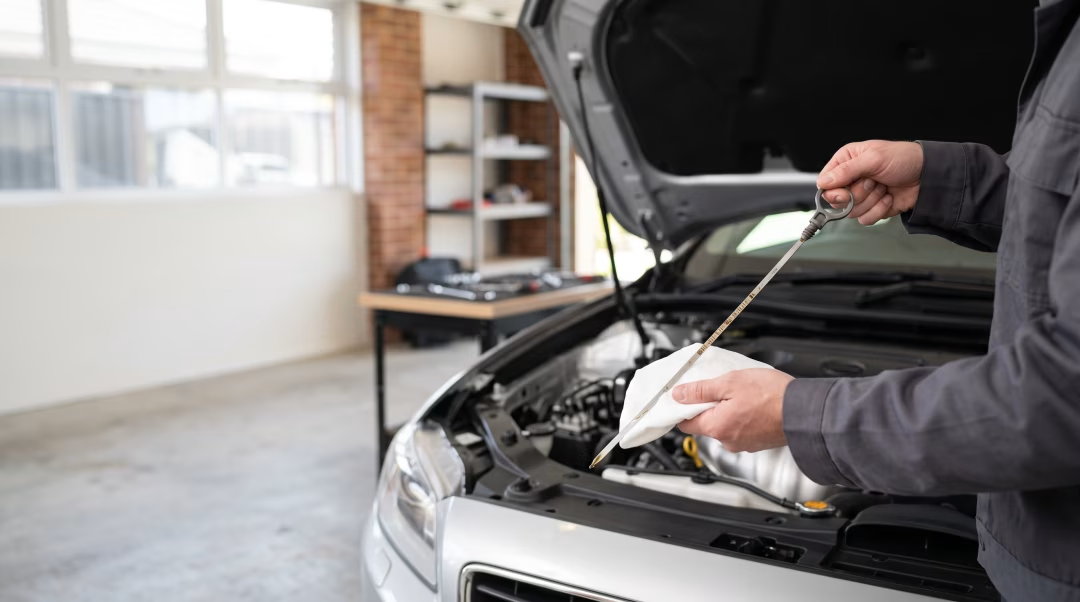
How to Check: With the engine off and cool, locate the oil dipstick. It usually has a brightly colored handle (often yellow or orange) and may be labeled with an oil can symbol. Pull the dipstick all the way out and wipe it clean with a rag. Then, re-insert it fully and pull it out again. Look at the oil level on the end of the stick. It should be between the 'MIN' and 'MAX' or 'ADD' and 'FULL' lines. Also, check the oil's condition. Fresh oil is a light amber color. If it is dark brown or black, gritty, or milky, it is time for an oil change. A milky appearance can indicate that coolant is leaking into the oil, a serious issue that requires immediate attention.
2. Engine Coolant (Antifreeze)
Coolant circulates through the engine and radiator to prevent overheating. It is also formulated to prevent freezing in the winter. Driving with low coolant is a primary cause of engine damage, especially in the Texas heat.
How to Check: Make sure the engine is completely cold. Never attempt to open the radiator cap on a hot engine. Look for a clear or white plastic reservoir near the radiator, called the coolant overflow tank. This tank will have 'MIN' and 'MAX' lines on the side. The coolant level should be between these two marks. You can also check the color of the coolant, which is typically green, pink, or orange. If the fluid looks rusty, has debris floating in it, or is below the minimum line, your cooling system needs service. If you have ever wondered what to do if your car overheats, preventing it by checking coolant is the first step.
3. Transmission Fluid
This fluid lubricates and cools your transmission, allowing for smooth gear shifts. On many vehicles, this is checked while the engine is running and warmed up, which is an exception to the 'cool engine' rule.
How to Check: Check your owner's manual first, as the procedure can vary. Typically, you will need to start the car, let it warm up for a few minutes, and leave it running in Park or Neutral on level ground. Locate the transmission fluid dipstick (it is often red or has a different color handle than the oil dipstick). Pull it out, wipe it, re-insert it fully, and pull it out again. Check the level against the 'HOT' and 'COLD' markings. The fluid should be bright red and translucent. If it looks dark brown, smells burnt, or has particles in it, the transmission may need service.
4. Brake Fluid
Brake fluid is a hydraulic fluid that transfers the pressure from your foot on the brake pedal to the brakes on your wheels. This is a critical safety system, so maintaining proper fluid level and condition is non-negotiable.
How to Check: Locate the brake fluid reservoir. It is a small, semi-transparent plastic container usually found at the back of the engine bay on the driver's side. You can check the level without opening it. The fluid should be between the 'MIN' and 'MAX' lines printed on the side. Brake fluid is typically clear to light amber. If it looks dark brown or black, it has absorbed moisture and contaminants and should be replaced by a professional. This simple check is just as important as knowing how to check a used car's brakes during a test drive.
5. Power Steering Fluid
If your vehicle has a hydraulic power steering system, this fluid makes it easier to turn the steering wheel. If you hear a whining noise when you turn or the steering feels heavy, low fluid could be the cause.
How to Check: The power steering reservoir is another plastic container, often labeled as such or with a steering wheel icon. Some have a small dipstick attached to the cap, while others have level markings on the side of the reservoir. Check the level and top it off if necessary, but only with the specific type of fluid recommended in your owner's manual.
6. Windshield Washer Fluid
While not critical to the engine's operation, having enough windshield washer fluid is vital for visibility and safety, especially when dealing with road grime or insects.
How to Check: This is the easiest check of all. Find the reservoir, which is usually a large white or blue plastic container with a symbol of a windshield and wipers on the cap. Pop the cap open and look inside. If the level is low, simply pour in more washer fluid until it is near the top. It is best to use a commercial washer fluid rather than just water, as it contains cleaning agents and won't freeze in cold weather.
Frequently Asked Questions About Checking Car Fluids
How often should I check my car fluids?
A good rule of thumb is to check all your essential fluids at least once a month. It is also wise to check your engine oil and coolant levels before any long road trip. Getting into this regular habit can help you spot a slow leak or developing issue before it leaves you stranded.
What tools do I need to check my car fluids?
For most fluid checks, you will not need any special tools. The most important things to have are a clean, lint-free rag or paper towels for wiping dipsticks. Wearing a pair of disposable gloves is also highly recommended to keep your hands clean and protected.
Can I mix different types of coolant or oil?
No, you should never mix different types of fluids. Engine oils have different weights and additive packages, and coolants have different chemical compositions (e.g., OAT, HOAT). Mixing them can lead to poor performance or even engine damage. Always use the specific type of fluid recommended in your vehicle's owner's manual.
What does it mean if my engine oil is milky or foamy?
Milky or foamy engine oil is a serious red flag. It typically means that coolant is leaking into the engine oil, often due to a failed head gasket. If you see this, you should not drive the car and should contact a qualified mechanic for diagnosis and repair immediately.
Is it normal for my car to use a little bit of oil between changes?
Yes, it is normal for many engines to consume a small amount of oil between oil changes. Some manufacturers consider using up to one quart every 1,000 to 2,000 miles to be within normal operating standards. This is why checking your oil level monthly is so important, as you may need to top it off to keep it in the safe operating range.
