

Essential Tips for How to Drive
Safely Through Heavy Rain in Dallas
Driving in Dallas presents its own set of challenges, but when the skies open up and unleash a classic North Texas downpour, those challenges multiply. Heavy rain can drastically reduce visibility, create slick road surfaces, and turn familiar commutes into hazardous journeys. From the sudden pooling of water on I-30 to the blinding spray on the Dallas North Tollway, navigating the city in a storm requires more than just your usual driving skills. It demands preparation, heightened awareness, and specific techniques to handle unexpected situations like hydroplaning. Understanding how to adapt your driving and prepare your vehicle is crucial for staying safe. This guide provides practical, Dallas-focused advice to help you confidently and safely manage the roads during even the most intense rainy weather. Your safety, and the safety of others, depends on making smart decisions behind the wheel when conditions are less than ideal.
Having a well-maintained vehicle is your first line of defense against the hazards of a torrential downpour. Features that might seem minor on a sunny day, like tire tread depth and the condition of your windshield wipers, become critically important when navigating slick, rain-soaked highways. A reliable car with responsive brakes and clear headlights can make a significant difference in your ability to react to sudden stops or poor visibility. If you are questioning whether your current vehicle is up to the task, exploring our used inventory offers a look at vehicles that are inspected for quality and readiness.
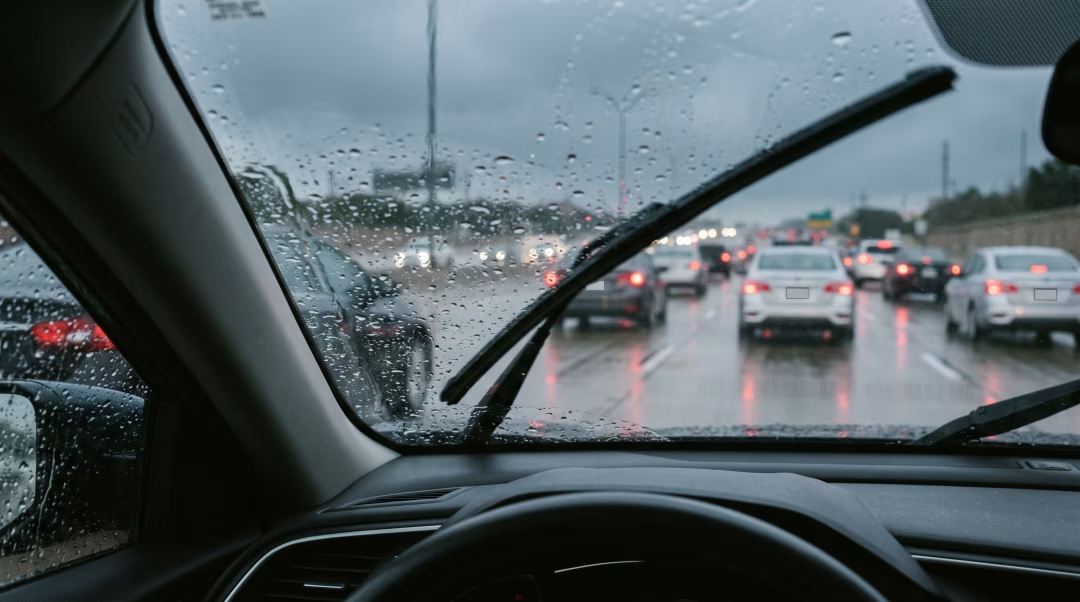
Your Comprehensive Guide to Navigating Dallas Rainstorms
A sudden Texas thunderstorm can transform Dallas-Fort Worth roadways in minutes. What was a clear, dry commute can become a treacherous drive with limited visibility and unpredictable road conditions. Being prepared involves more than just turning on your headlights. It requires a proactive approach to both vehicle maintenance and driving habits. By taking the right steps before you get on the road and adjusting your technique during a storm, you can significantly reduce your risk and travel with greater confidence.
Step 1: Prepare Your Vehicle Before the Rain Starts
The best way to handle a storm is to be ready for it. A few simple checks on your vehicle can make a world of difference when you are caught in a downpour. Neglecting these basic components can compromise your safety and control when you need them most.
- Inspect Your Tires: Your tires are your only connection to the road. Proper tread depth is essential for channeling water away from the tire's surface to prevent hydroplaning. Use the penny test: place a penny with Lincoln's head upside down in the tread. If you can see all of his head, your treads are worn and it is time for new tires. Also, check for proper inflation, as both underinflated and overinflated tires can reduce traction on wet pavement.
- Check Your Windshield Wipers: In heavy rain, visibility is paramount. Wiper blades degrade over time due to sun exposure and use, leading to streaking or chattering that impairs your view. If your wipers are not clearing the windshield effectively with each swipe, replace them. It is a small investment that pays huge dividends in safety. Also, ensure your windshield washer fluid reservoir is full.
- Test All Exterior Lights: Your headlights, taillights, and brake lights are crucial for seeing and being seen. In Texas, it is legally required to have your headlights on anytime you are using your windshield wipers. Walk around your vehicle and confirm that all lights are functioning correctly. Clean the lenses to provide maximum brightness.
- Evaluate Your Brakes: Wet conditions increase the distance it takes for your vehicle to come to a complete stop. If you have noticed any squeaking, grinding, or a soft feeling in your brake pedal, it is important to have your brakes inspected. Knowing your brakes are in top condition is essential for safe rainy-day driving. Performing a thorough inspection is a key part of any used car test drive for this very reason.
Step 2: Adjust Your Driving Techniques on Wet Roads
Once you are on the road and the rain begins to fall, how you drive is the most important factor in staying safe. Standard driving habits are often not sufficient for wet conditions. You must actively adjust your actions to account for the reduced traction and visibility.
- Slow Down Significantly: This is the single most important adjustment. Posted speed limits are for ideal, dry conditions. Reducing your speed gives you more time to react to hazards and decreases the risk of hydroplaning. Water on the road creates a barrier between your tires and the asphalt, and the faster you go, the harder it is for your tires to maintain contact.
- Increase Following Distance: Double your following distance from the standard three seconds to at least six seconds. This extra space provides a crucial buffer, giving you more time and distance to brake safely if the car in front of you stops suddenly.
- Avoid Using Cruise Control: Cruise control can be dangerous in the rain. If your vehicle begins to hydroplane, the system may try to accelerate to maintain a constant speed, which is the exact opposite of what you should do. Keep your foot on the pedal for full control of your speed at all times.
- Make Smooth, Deliberate Movements: Avoid sudden acceleration, hard braking, and sharp turns. These abrupt actions can easily cause your tires to lose their grip on slick pavement. Be gentle with the steering wheel, gas, and brake pedals.
- Watch for Standing Water: Puddles can be much deeper than they appear and can hide damaging potholes. Driving through deep water can stall your engine, damage electrical systems, or even cause you to lose control. If you cannot gauge the depth, it is best to find an alternate route.
Navigating Dallas-Specific Rain Hazards
The DFW metroplex has unique trouble spots that become particularly dangerous during heavy rain. Knowing where these are and how to approach them is key for local drivers.
Flash Flooding on Underpasses: Areas like the I-30 and I-35E underpasses near downtown Dallas, as well as parts of Turtle Creek Boulevard, are notorious for rapid flooding. The rule is simple and non-negotiable: "Turn Around, Don't Drown." Never attempt to drive through a flooded roadway. The water is often deeper and faster-moving than it looks, and it only takes a small amount of water to sweep a vehicle away. After major flood events, it's crucial for car buyers to know how to spot a flood-damaged car, as these vehicles can enter the market with hidden, severe problems.
Poor Visibility on High-Speed Highways: On major arteries like I-635, the President George Bush Turnpike, or US-75, the combination of heavy rain and spray from other vehicles, especially large trucks, can reduce visibility to near zero. Ensure your defroster is working correctly to keep your windshield clear, and position yourself away from large vehicles when possible.
What to Do When You Hydroplane
Hydroplaning is when your tires lose contact with the road and ride on a thin layer of water. It can feel as if your steering has suddenly become disconnected. Reacting correctly is critical.
- Do Not Panic: Your first instinct might be to slam on the brakes, but this can cause a skid.
- Ease Off the Accelerator: Gently take your foot off the gas pedal. Do not brake. This allows the car to slow down naturally.
- Steer Gently: Keep the steering wheel pointed in the direction you want the car to go. If the back of your car starts to slide, make small, gentle steering corrections to regain control. Avoid any sudden or jerky movements.
- Wait for Traction: As the car slows, the tires should regain contact with the road surface. Once you feel the traction return, you can gently apply the brakes or accelerator as needed.
Having a properly equipped vehicle and a plan for emergencies are vital. It is always a good idea to know what to keep in your car emergency kit for situations where you might be stranded.
What is the main cause of hydroplaning?
Hydroplaning is primarily caused by a combination of speed, water depth, and tire condition. When a vehicle travels too fast over a wet surface, the tires cannot channel the water away quickly enough. This causes a wedge of water to build up in front of the tire, lifting it off the road surface and resulting in a loss of traction and control. Worn tires with insufficient tread depth are much more susceptible to hydroplaning.
How slow should I drive in heavy Dallas rain?
There is no single correct speed, but a good rule of thumb is to reduce your speed by at least one-third from the posted speed limit. For example, on a highway with a 65 mph limit, you should consider driving no faster than 40-45 mph. In extremely heavy downpours with poor visibility, you may need to slow down even more. The key is to drive at a speed that is comfortable for the conditions and allows you plenty of time to react.
Is it illegal to drive with your hazard lights on during rain in Texas?
Yes, in Texas, it is against the law to drive with your hazard lights (emergency flashers) on. They are intended only for vehicles that are stopped or disabled. Using them while moving can confuse other drivers, who may not be able to see your turn signals or brake lights as clearly. Instead, use your regular headlights to increase your visibility to others.
What should I do if my car stalls in deep water?
If your car stalls in standing water, do not attempt to restart the engine. This can cause catastrophic engine damage, a condition known as hydrolock. The best course of action is to turn on your hazard lights, abandon the vehicle if you can do so safely, and move to higher ground to call for assistance. Your safety is more important than the vehicle.
Can driving in the rain damage my car?
While normal rain driving is fine, heavy rain and standing water can pose risks. Driving through deep water can force water into engine components, the exhaust system, and electrical systems, causing significant damage. The moisture can also accelerate rust and corrosion on the undercarriage. After driving through a major storm, it is a good idea to rinse the underside of your car and check your brakes, as they may be less effective until they dry out.
