

How the Dallas Summer
Heat Affects Your Car Battery
The relentless Dallas summer heat does more than just make us run for the air conditioning. It wages a silent war on your vehicle, and one of its primary targets is the car battery. While many drivers associate battery failure with the first cold snap of winter, the truth is that the intense, sustained high temperatures of a North Texas summer are far more damaging. The heat accelerates the chemical reactions inside your battery, causing vital internal components to degrade and fluids to evaporate more quickly. This process shortens the battery’s lifespan and significantly increases the risk of being stranded with a car that will not start. Understanding how heat affects your battery is the first step toward preventing an unexpected and inconvenient breakdown during the hottest months of the year. Being proactive can save you time, money, and the frustration of a dead battery on a sweltering afternoon.
A dead battery is one of the most common reasons for roadside assistance calls in the Dallas area. Ignoring the warning signs can lead to more than just an inconvenience; it can mean costly towing fees and last-minute battery replacements at premium prices. By learning to recognize the symptoms of a heat-stressed battery and taking simple preventative steps, you can protect your vehicle's starting power. This knowledge is especially crucial when considering a pre-owned vehicle, as the battery's history and condition are key indicators of its future reliability.
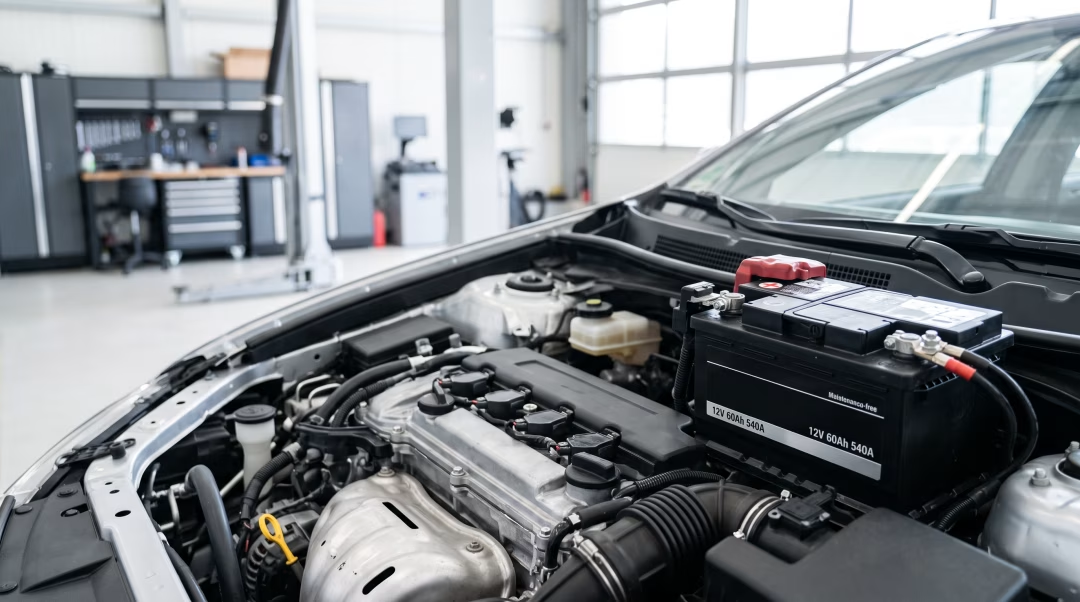
Why Your Car Battery Hates the Texas Sun
Most drivers are familiar with the sinking feeling of turning the key on a frigid morning only to be met with silence. It is a common belief that cold weather is a car battery’s worst enemy. However, the real damage that leads to that winter failure often begins months earlier, under the scorching Dallas sun. Extreme heat is the primary cause of shortened battery life. Understanding the science behind this can help you take better care of your vehicle and avoid getting stranded.
A standard car battery operates through a chemical reaction within its cells. This reaction, which involves lead plates and a sulfuric acid electrolyte solution, is what generates the electrical power needed to start your engine and run your electronics. Like most chemical reactions, this process speeds up as temperatures rise. While this might sound like a good thing, the accelerated activity has a serious downside. It dramatically increases the rate of internal degradation, including the corrosion of the positive grid plates and the evaporation of the water in the electrolyte solution. When water evaporates, the acid becomes more concentrated, further damaging the internal plates and reducing the battery's ability to hold a charge. Over time, this heat-induced damage becomes permanent, leaving your battery weaker and more susceptible to failure when cold weather finally arrives and slows the chemical reaction down.
Recognizing the Warning Signs of a Failing Battery
A battery weakened by summer heat will often give you clues that it is on its last legs. Paying attention to these signals can help you address the problem before it leaves you stranded. If you notice any of the following symptoms, it is a good idea to have your battery and charging system tested.
- Slow Engine Crank: When you turn the key or press the start button, the engine turns over more slowly than usual. It might sound sluggish, as if it is struggling to start.
- Dim Headlights and Electronics: If your headlights seem dimmer when the engine is off, or your interior lights and radio flicker when you start the car, it is a classic sign of a weak battery.
- Dashboard Warning Light: Many modern cars have a battery or check engine light that will illuminate if the battery’s voltage is low or if the charging system has a problem.
- Corrosion on Terminals: A white, blue, or greenish powdery substance around the battery posts (terminals) can interfere with the electrical connection and indicates the battery is gassing or leaking.
- Swollen Battery Case: Extreme heat can cause the battery case to swell or bloat. If your battery looks misshapen, it has been severely damaged and needs to be replaced immediately.
- Age of the Battery: The average lifespan of a car battery in North Texas is only about two to three years. If your battery is approaching that age, it is wise to have it tested proactively.
Preventative Maintenance for a Longer Battery Life
While you cannot change the weather, you can take several steps to mitigate the effects of Dallas heat on your car battery. A little preventative care can go a long way in extending its life and ensuring your car starts every time.
First, try to park in the shade whenever possible. A garage is ideal, but even parking under a tree or in the shadow of a building can significantly lower the under-hood temperature of your vehicle. If you must park in the sun, use a windshield sunshade. This helps keep the interior temperature down, which in turn reduces the amount of heat radiating into the engine compartment.
Second, keep your battery clean. Dirt, grease, and corrosion on the top of the battery and its terminals can create a small electrical current that slowly drains its power. Periodically wipe down the case with a clean cloth and use a wire brush and a mixture of baking soda and water to clean any corrosion from the terminals. A clean battery is a more efficient battery.
Third, get your battery tested regularly. Most auto parts stores and repair shops offer free battery testing. It is a quick process that measures the battery's voltage and cold cranking amps to determine its health. A good habit is to have it tested before the peak of summer and again before winter sets in. This gives you a clear picture of its condition and allows you to replace it on your own terms, not on the side of a busy highway.
Finally, be mindful of your driving habits. Frequent short trips do not give the alternator enough time to fully recharge the battery. This is especially true in summer when your air conditioning is running at full blast, placing a higher demand on the electrical system. Try to combine errands into longer trips when possible.
Inspecting the Battery on a Used Car
When you are shopping for a vehicle from our used inventory, the battery is a critical component to inspect. As part of our reconditioning process, we check the vehicle's essential systems, but it is always good for a buyer to know what to look for. Use the information above to your advantage. Look for a date on the battery; if it is more than two or three years old, it may be nearing the end of its life. Check the terminals for corrosion and look for any signs of a swollen or leaking case. During your test drive, pay attention to how quickly the engine starts. Any hesitation could be a sign of a weak battery. Asking questions about the battery is an important part of making an informed purchase, and our team is always here to provide you with the information you need. You can learn more about how to check a used car's battery on our research blog.
Frequently Asked Questions About Car Batteries and Heat
How long do car batteries typically last in the Dallas heat?
In a hot climate like North Texas, the average lifespan of a conventional car battery is significantly shorter than in cooler regions. You can typically expect a battery to last around two to three years. The constant exposure to high ambient temperatures and even higher under-hood temperatures accelerates internal degradation, reducing its ability to hold a charge over time.
What are the most common signs my battery is failing due to heat?
The most common signs of a heat-damaged battery include a slow or sluggish engine crank, dimming headlights and interior lights when you start the car, a dashboard warning light illuminating, and a battery case that appears swollen or bloated. You might also notice a sulfuric, rotten-egg smell near the battery, which indicates it is overheating and leaking gas.
Does running my car's AC put more strain on the battery?
While the car is running, the air conditioner is powered by the alternator, not directly by the battery. However, running the AC at full blast does increase the electrical load on the entire system. This requires the alternator to work harder, and if you take frequent short trips, the alternator may not have enough time to fully replenish the charge the battery used to start the car.
How can I test my car battery's health?
The most accurate way to test a battery is with a digital multimeter or a specialized battery tester. A healthy, fully charged battery should read around 12.6 volts or higher when the car is off. When the engine is running, the reading should be between 13.7 and 14.7 volts, which indicates the alternator is charging properly. Many auto parts stores also offer free, comprehensive battery testing services.
Is it more expensive to replace a battery that has failed from heat damage?
The cost of the replacement battery itself is not different based on the cause of failure. However, the overall expense can be higher if the failure is unexpected. A sudden breakdown might involve costs for towing, emergency service, and a limited selection of replacement options. Replacing a battery proactively after it fails a load test is almost always more cost-effective than dealing with a roadside emergency.
Helpful Links
- Learn about the Signs Your Car Battery is Failing in Hot Weather
- Discover how to Prepare Your Car for a North Texas Hailstorm
- Get tips on How to Keep Your Car Cool While Parked
- Find out What to Do if Your Car Overheats on a Dallas highway
- If you need financing, see if you can Get Pre-Qualified today
