

Choosing a Used Car for Long
Rural Commutes: A Guide for Waxahachie Drivers
For drivers in and around Waxahachie, a long rural commute is a daily reality. The miles add up quickly on highways like I-35E and US-287, not to mention the countless farm-to-market roads that connect our communities. This kind of driving demands more from a vehicle than a short trip across town. It requires a car that is not only reliable and safe but also comfortable and fuel-efficient enough to make the journey sustainable for your budget. Choosing the right used car means looking beyond the price tag and considering the total cost of ownership, from fuel expenses to potential maintenance. At our dealership, we understand the unique challenges faced by North Texas commuters. We specialize in helping drivers find quality, pre-owned vehicles that are ready to handle the demands of a long-distance daily drive, providing peace of mind one mile at a time.
Your daily drive deserves a vehicle you can count on. Finding the perfect balance of efficiency, comfort, and dependability is key to transforming your commute from a chore into a pleasant journey. We invite you to explore our diverse selection of sedans, SUVs, and trucks to find the one that fits your specific needs. Browse our used inventory online or learn more about how our flexible financing process works by visiting our financing area page. Let us help you get behind the wheel of a great commuter car today.
What Makes a Waxahachie Commute Unique?
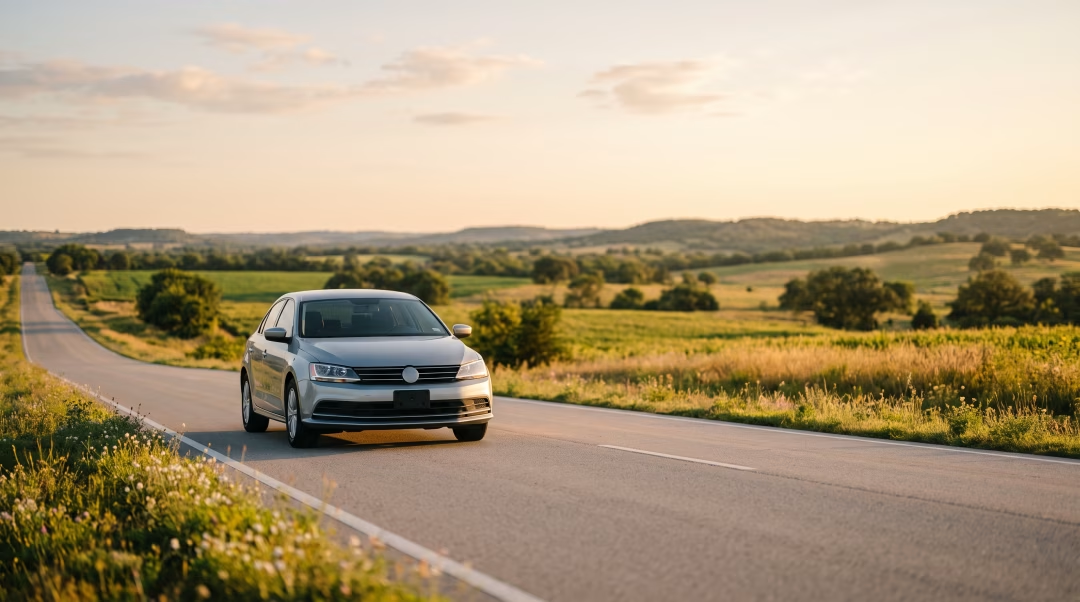
A commute from the Waxahachie area is different from city driving. It is a unique blend of high-speed highway travel and lower-speed driving on two-lane country roads. This combination puts specific stresses on a vehicle. You accumulate mileage at a much faster rate, making long-term reliability a top concern. You also spend a significant amount of time in your car, which means features that enhance comfort and reduce fatigue become necessities rather than luxuries. Furthermore, rural roads can sometimes be less maintained, with uneven surfaces or debris that require a vehicle with a solid suspension and durable tires. The right used car for this environment must be a true all-rounder, capable of delivering consistent performance day after day.
Top Priorities When Choosing Your Commuter Vehicle
When you are evaluating potential used cars for a long rural commute, a few key factors should be at the top of your list. Focusing on these areas will help you select a vehicle that serves you well for years to come.
- Fuel Efficiency: With gas prices always a concern, miles per gallon (MPG) is arguably the most important number for a commuter. A car that gets 35 MPG will save you a significant amount of money over a year compared to one that only gets 25 MPG. When you drive 50 miles or more each way, those savings add up fast. Sedans and hybrid vehicles often lead the pack in this category. You can learn more about finding an economical ride on our page about the best used cars for good gas mileage in Texas.
- Long-Term Reliability: No one wants to be stranded on the side of a rural highway. Look for models and manufacturers with a proven track record for durability and longevity. Researching common issues for a specific year, make, and model is a smart step. A comprehensive vehicle history report can provide valuable insight into a car's past, including accident history and maintenance records.
- Driver Comfort: An hour or more behind the wheel twice a day can take a toll on your body. Features like supportive seats with lumbar adjustment, cruise control, a quiet cabin, and a smooth suspension system are essential for reducing driver fatigue and making the commute more enjoyable. During your test drive, pay close attention to how you feel in the driver's seat.
- Safety and Visibility: Your safety is paramount. Look for vehicles with high safety ratings from organizations like the IIHS and NHTSA. Modern features such as blind-spot monitoring, forward-collision warning, and a rearview camera can be incredibly helpful. For rural commutes that often happen in the dark during winter months, powerful and clear headlights are a must-have feature for spotting wildlife or road hazards.
- Maintenance Costs: The purchase price is just the beginning. Consider the ongoing cost of maintenance. Some brands, particularly domestic and popular import models, tend to have more affordable and widely available parts, which can lower repair bills down the road. Sticking to a simple maintenance schedule is the best way to keep any car running smoothly.
Comparing Vehicle Types for Your Rural Drive
The ideal body style for your commute depends on your personal needs, but some types are naturally better suited for long-distance driving.
Mid-Size and Compact Sedans: These are often the top choice for serious commuters. Their aerodynamic shape and lighter weight typically result in the best possible fuel economy. They offer a comfortable ride, and many models from brands like Toyota, Honda, and Hyundai have excellent reputations for reliability. They provide a great balance of efficiency and comfort for the solo driver or small family.
Crossovers and Small SUVs: For those who want a bit more versatility, a crossover or small SUV is an excellent option. They offer a higher seating position for better visibility, more cargo space, and often have available all-wheel drive (AWD) for added confidence in heavy rain. While their MPG might be slightly lower than a comparable sedan, many modern crossovers are surprisingly efficient. Digging into the difference between compact and midsize SUVs can help you narrow your choice.
Pickup Trucks: Many people in our area need a truck for work or their lifestyle. While a full-size truck may not be the most fuel-efficient commuter, some modern trucks with advanced engine technology offer respectable highway MPG. If you need the utility of a truck bed, look for models with V6 engines or consider if a smaller, more efficient mid-size truck could meet your needs. The choice between gas vs. diesel can also play a major role in your long-term operating costs.
Financing a Reliable Vehicle for Your Commute
Your ability to get to work every day depends on having a reliable car. If credit challenges have made it difficult to get financing elsewhere, you might feel stuck with an older, less dependable vehicle that costs you more in repairs and missed work. In-house financing, also known as Buy Here Pay Here, can be a valuable tool. It allows us to look at your whole financial picture, like your job stability and income, not just a credit score. Our goal is to help hardworking people in the Waxahachie community secure financing for a quality used car that can handle their commute. You can start the process from home and get pre-qualified online to see what options may be available for you.
What is considered "high mileage" for a used commuter car?
The definition of "high mileage" has changed over the years as cars have become more reliable. Today, a well-maintained vehicle can easily last for 200,000 miles or more. Instead of focusing solely on the odometer reading, pay more attention to the vehicle's maintenance history and overall condition. A car with 120,000 highway miles and regular oil changes might be in better shape than a car with 80,000 city miles and a spotty service record.
Are hybrid vehicles a good choice for long rural commutes?
Hybrid vehicles can be an excellent choice, especially if your commute involves a mix of highway and town driving. They deliver outstanding fuel economy, which translates directly into savings at the pump. For primarily high-speed highway driving, their advantage might be slightly less pronounced than in stop-and-go traffic, but they are still among the most efficient options available. Consider the potential for future battery maintenance costs as part of your overall budget.
How important is a vehicle history report when buying a car for commuting?
A vehicle history report is extremely important. For a car that you will depend on daily and put many miles on, you want as much information as possible about its past. The report can reveal critical details like previous accidents, title issues such as salvage or flood damage, and sometimes even a partial service history. It is a vital tool for verifying a car's condition and avoiding potential problems down the road.
Should I choose a sedan or a small SUV for my Waxahachie commute?
This decision comes down to personal priorities. If your number one goal is maximizing fuel economy and minimizing your gas budget, a sedan is typically the better choice. If you value a higher driving position for better visibility, need more cargo flexibility, or want the option of all-wheel drive for weather conditions, a small SUV would be more suitable. Test drive both types to see which one feels more comfortable for you.
How can I budget for fuel costs with a long daily drive?
First, calculate your weekly mileage by multiplying your daily round-trip commute by the number of days you work. Then, divide that number by the estimated MPG of the car you are considering to find out how many gallons you will use per week. Multiply that by the current price per gallon to get your weekly fuel cost. We have more tips on how to estimate fuel costs before choosing a used car on our blog.
